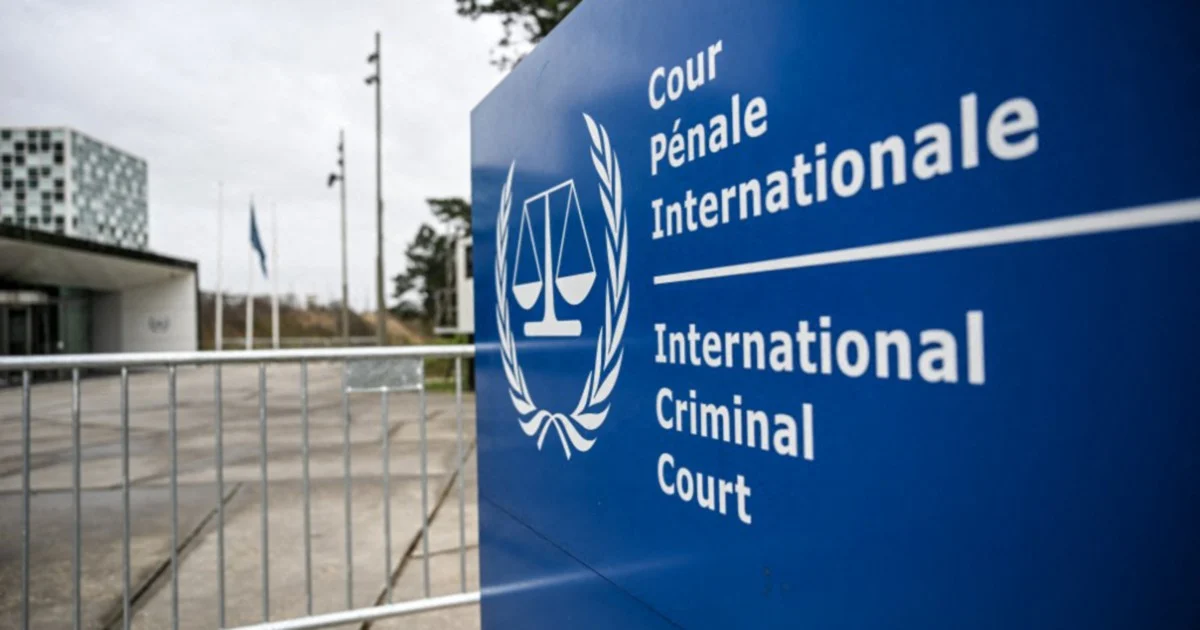
Three judges from the International Criminal Court have taken the unprecedented step of suing President Donald Trump and other high-ranking United States officials in American courts, directly confronting the sanctions regime imposed against them and questioning its legal foundation. The lawsuit, filed in the US federal system on Wednesday, represents a significant escalation in the already tense relationship between Washington and the The Hague-based tribunal, with the judges arguing that the measures violate established legal principles and constitutional protections.
The sanctions targeting these ICC judges were implemented as part of a broader American policy of pressure against the international tribunal, which has increasingly drawn the ire of successive US administrations over its independence and its investigations into sensitive matters. The judges contend that the restrictions are both disproportionate and legally unsound, characterising them as draconian in their scope and application. Their decision to pursue legal remedies within the American court system signals a determination to challenge what they view as an overreach of executive authority.
The dispute reflects deep-seated disagreements between the United States and the ICC regarding the tribunal's jurisdiction and investigative priorities. Washington has long maintained a complicated relationship with the international court, and previous administrations have taken steps to restrict its operations and the reach of its legal processes. The current sanctions against these judges represent an intensification of that adversarial stance, prompting the magistrates to seek judicial intervention.
For Malaysia and the Southeast Asian region, this legal battle carries important implications regarding international law and the independence of multilateral institutions. As a member of the United Nations system, Malaysia maintains diplomatic ties with both the United States and the international community represented by the ICC. The outcome of this lawsuit could influence how international courts operate and whether powerful nations can effectively limit their authority through unilateral economic measures. Such precedents matter significantly in a region where many states remain cautious about ceding sovereignty to international bodies while simultaneously benefiting from rules-based international systems.
The judges' lawsuit challenges the fundamental legitimacy of the sanctions under both American constitutional law and international legal frameworks. Their argument rests on the principle that executive sanctions cannot be applied arbitrarily against officials of duly constituted international institutions, particularly when those sanctions lack clear congressional authorization or statutory foundation. This constitutional argument could have broader ramifications for how the US government exercises its sanctions authority.
The timing of this legal action coincides with heightened scrutiny of the ICC's operations and investigations, particularly regarding cases that have drawn American attention or concern. The administration's hostile posture toward the tribunal has manifested in various ways, including the sanctions against judges and pressure on allies to limit their cooperation with the court's mechanisms. By pursuing this lawsuit, the judges are essentially forcing American courts to evaluate whether such tactics comply with established legal norms.
The international legal community views this case with considerable interest, as it may establish important precedent regarding the vulnerability of international judicial institutions to pressure from major powers. If the judges prevail, it could strengthen the position of the ICC and other international bodies by establishing that excessive sanctions against their officials face legal scrutiny even in the sanctioning nation's own courts. Conversely, should the administration prevail, it would demonstrate that powerful states retain substantial latitude in imposing measures against international institutions they view as overreaching.
The lawsuit also underscores broader tensions regarding the role of international law in contemporary geopolitics. The ICC has increasingly become a focal point of these tensions, with various governments questioning its utility, its impartiality, and its jurisdiction. Some nations view it as an essential mechanism for accountability, while others—particularly powerful states with global interests—regard it with suspicion and resistance. This case crystallizes those competing visions.
For observers in Southeast Asia, where several nations have complex relationships with international accountability mechanisms, this dispute highlights the ongoing struggle to define the proper scope and authority of global institutions. The region includes ICC members and non-members, supporters and sceptics of international tribunals, and countries with their own concerns about external judicial scrutiny. How American courts handle this case may influence regional discussions about international legal cooperation and institutional independence.
The judges' decision to challenge the sanctions directly in US courts rather than through diplomatic channels or ICC procedures suggests they believe the legal and constitutional arguments are sufficiently strong to warrant this confrontational approach. They are essentially appealing to American constitutional principles and rule-of-law traditions to constrain executive action, a strategy that acknowledges the significance of American legal authority even as it opposes American policy.
The broader context includes questions about how international institutions can maintain independence and function effectively when subject to coercive measures by member states. The ICC's credibility depends partly on its perceived impartiality and freedom from political pressure. Sanctions against judges potentially compromise both these qualities, which the judges argue justifies intervention by American courts to restore the proper legal order.
As this lawsuit proceeds through the American judicial system, it will likely attract significant attention from international relations experts, legal scholars, and government officials worldwide. The decision could reshape the relationship between the United States and the ICC, establish important precedent regarding the limits of sanctions authority, and influence how other international institutions navigate pressure from powerful member states.

