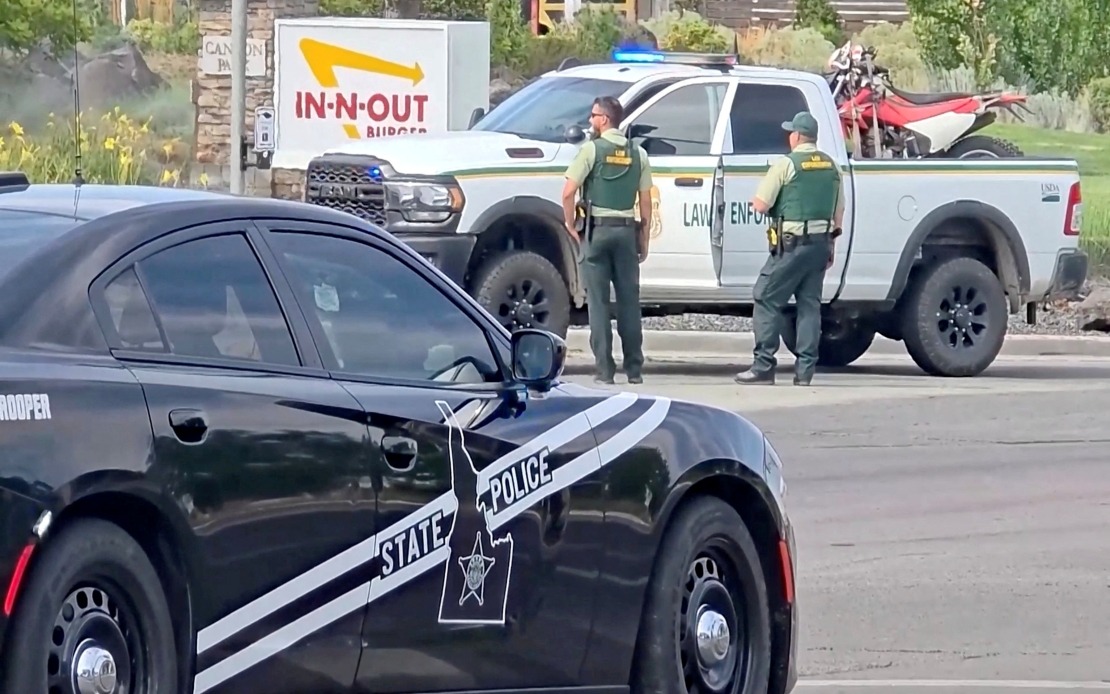
A shooting at an In-N-Out Burger restaurant in Twin Falls, Idaho has left three people dead and seven others injured, with several victims reported in critical condition. The incident unfolded on Saturday afternoon at approximately 2 pm local time at the fast-food outlet located within a busy shopping plaza, prompting an immediate law enforcement response and a large-scale investigation into what remains one of the latest mass casualty events in the United States.
According to Joshua Palmer, public information coordinator for the city of Twin Falls, authorities discovered the body of the suspected shooter in an area adjacent to the restaurant. However, officials have not yet clarified whether the suspected gunman's death is included in the overall death toll being reported. This distinction remains significant as investigators work to piece together the full scope of the tragedy and account for all those involved.
Twin Falls Police Chief Matthew Hicks addressed the community during a news conference, stating that law enforcement authorities believe the immediate threat to residents has been neutralised. Police presence at the scene was substantial, with officers securing the area and conducting preliminary investigations in the hours following the shooting. The chief's statement provided some reassurance to an understandably shaken community, though questions about the incident's circumstances remained unanswered.
The restaurant and surrounding shopping plaza were bustling with activity when the shooting occurred, with hundreds of people in the vicinity at the time of the incident. The presence of so many witnesses underscores both the random nature of the violence and the potential scale of trauma experienced by those present. Some patrons and staff members would have been directly exposed to the gunfire, while others in nearby stores likely heard the commotion and scrambled to safety as emergency protocols were activated.
Authorities have maintained a cautious approach to releasing victim information, deliberately withholding names, ages, and other identifying details pending completion of family notifications. This standard practice, while sometimes frustrating for media outlets and the general public seeking information, reflects law enforcement's commitment to ensuring that relatives learn of their loved ones' fates directly from officials rather than through news reports. The emotional toll on family members being contacted during such crises cannot be overstated.
The investigation into the shooting's motive remains in its early stages. Authorities have not yet established why the individual opened fire at the restaurant or whether there were any warning signs preceding the attack. Understanding the perpetrator's mindset and motivations will be crucial for investigators seeking to determine whether this was an isolated incident driven by personal grievance or whether broader factors were at play. Such information often emerges slowly as law enforcement conducts interviews with witnesses and examines the suspect's background and communications.
The incident highlights ongoing concerns about public safety and gun violence in the United States, a persistent issue that continues to draw scrutiny from policymakers, law enforcement agencies, and the general population. Restaurants and shopping centers, being gathering places for large numbers of civilians from all walks of life, represent vulnerable locations where such tragedies can unexpectedly unfold. The randomness and unpredictability of such attacks have left communities nationwide grappling with questions about security and prevention.
For Malaysian readers following international news, the incident underscores the stark differences in approach to gun ownership and public safety regulation between the United States and Malaysia. Malaysia's strict firearms laws and licensing requirements stand in sharp contrast to the more permissive regulatory environment in many American states, a distinction that has long been a point of comparison in discussions about violent crime prevention and community safety frameworks.
The broader context of such incidents also reflects ongoing debates about mental health services, threat assessment protocols, and the role of social isolation in precipitating violence. Law enforcement agencies across the country continue to refine their response procedures to active shooter situations, recognising that minutes matter in containing threats and minimising casualties. The response in Twin Falls will likely be scrutinised and analysed by security experts and other law enforcement agencies seeking to improve crisis management protocols.

