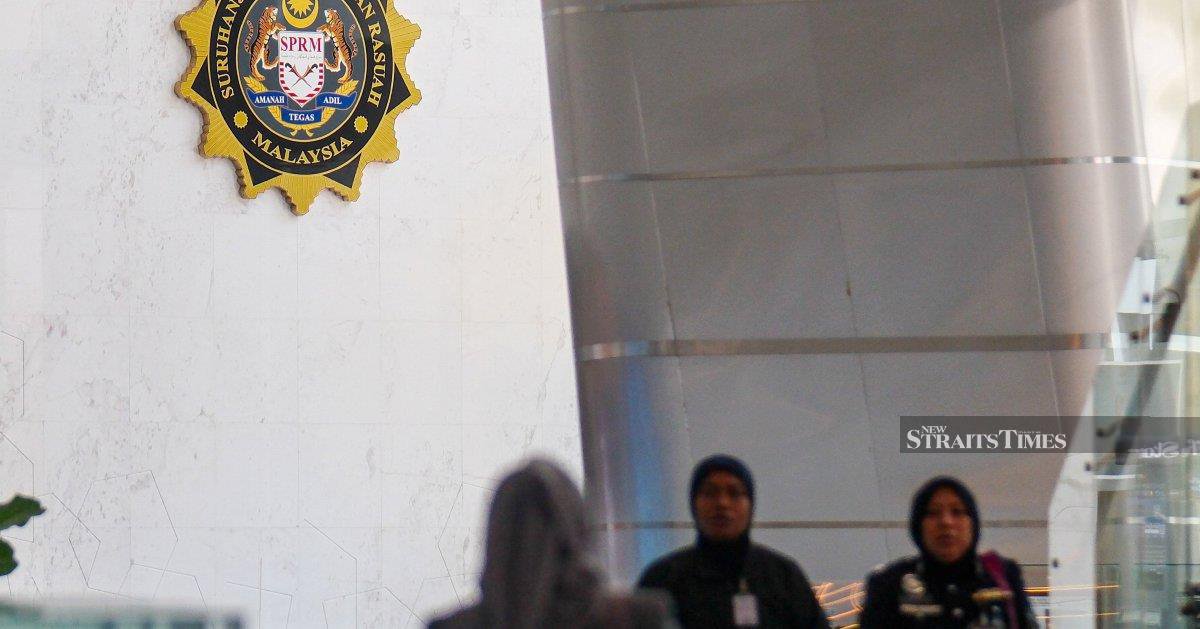
The Malaysian Anti-Corruption Commission (MACC) has apprehended three more individuals as its investigation into the Tabung Haji Royal Commission of Inquiry deepens, with the latest detentions linked to suspected misappropriation of funds totalling around RM450,000 through Notice of Penalty charges. The arrests represent a significant escalation in the agency's probe into potential irregularities within the pilgrimage fund management system, an institution that holds considerable cultural and financial significance for Malaysian Muslims.
Tabung Haji, formally known as the Lembaga Tabung Haji, administers the savings of millions of Malaysian Muslims preparing for their hajj pilgrimage to Mecca. The organisation operates under strict Islamic banking principles and functions as a financial cornerstone for many families across the country who set aside funds over years or decades to fulfil their religious obligations. Any breach within this institution carries implications beyond mere financial loss, touching upon public trust in an entity entrusted with sacred obligations.
The Notice of Penalty scheme operates as a mechanism within the organisation's internal compliance and enforcement framework. The alleged misappropriation of RM450,000 through these penalty notices suggests potential irregularities in how administrative charges and fines were levied, collected, or processed. This raises questions about internal controls and oversight within Tabung Haji's governance structure, particularly regarding how penalty revenue was managed and whether proper authorisation procedures were followed.
The RCI investigating these matters was established to conduct a comprehensive examination of Tabung Haji's operations and financial management following earlier controversies surrounding the fund's investments and administrative practices. Royal Commissions of Inquiry in Malaysia represent high-level investigative mechanisms typically convened when substantial public interest concerns warrant formal, structured examination of institutional conduct. The MACC's involvement underscores the seriousness with which authorities are treating the findings emerging from this inquiry.
These fresh arrests follow previous detentions in the same investigation, indicating that the probe has uncovered a network of potential involvement rather than isolated incidents of misconduct. The progression of arrests suggests that investigators have traced connections between multiple individuals and identified a pattern of conduct that warranted law enforcement action. This methodical approach is typical of corruption investigations, which often require time to establish sufficient evidence against each suspect.
For Malaysian Muslims, particularly those with funds deposited in Tabung Haji, news of such investigations can trigger concerns about the security of their savings and the integrity of the institution. The hajj pilgrimage represents a once-in-a-lifetime obligation for many believers, and the financial vehicle supporting this journey carries profound importance. Questions about mismanagement resonate beyond mere financial metrics, affecting the spiritual and personal aspirations of depositors.
The MACC's sustained focus on this matter demonstrates institutional commitment to investigating white-collar corruption within statutory bodies. The commission has demonstrated increasing capacity to probe complex financial arrangements and institutional misconduct, moving beyond traditional corruption scenarios. The Tabung Haji investigation showcases the agency's willingness to examine organisations historically viewed as having strong governance frameworks and cultural legitimacy.
The alleged RM450,000 in questionable penalty notices, while not representing the largest amount in corruption investigations, is significant enough to warrant serious action. The nature of the suspected misappropriation—involving penalty mechanisms rather than straightforward theft—suggests sophisticated understanding of administrative systems. Those allegedly involved would need knowledge of how the penalty system functioned and access to processes that enabled the diversion of funds.
Regulatory and institutional reform often follows major corruption investigations in Malaysia. The Tabung Haji findings may prompt comprehensive reviews of how penalty revenue is collected, recorded, and reconciled within the organisation. Enhanced audit procedures, clearer segregation of duties, and improved oversight mechanisms could emerge as recommended improvements, should the investigation confirm the suspected irregularities.
The timing of these arrests occurs against a broader Malaysian context emphasising governance improvements and institutional accountability. Government-linked institutions remain under scrutiny following several high-profile cases revealing systemic weaknesses. The Tabung Haji investigation contributes to ongoing national conversations about ensuring public trust in entities managing collective resources, whether financial, social, or religious in nature.
Beyond the immediate legal proceedings, this investigation highlights the importance of robust internal controls within statutory bodies managing substantial public funds. The success of such organisations depends not only on operational efficiency but fundamentally on depositor confidence. Any erosion of trust can have lasting reputational and functional consequences, affecting an institution's ability to fulfil its mandate.
As the MACC continues its investigation, the arrested individuals will face legal processes determining their culpability. The broader implications extend to recommendations that may emerge regarding Tabung Haji's governance structures, administrative procedures, and oversight mechanisms. These developments will likely influence how the institution operates and how regulators monitor statutory bodies managing collective savings.

