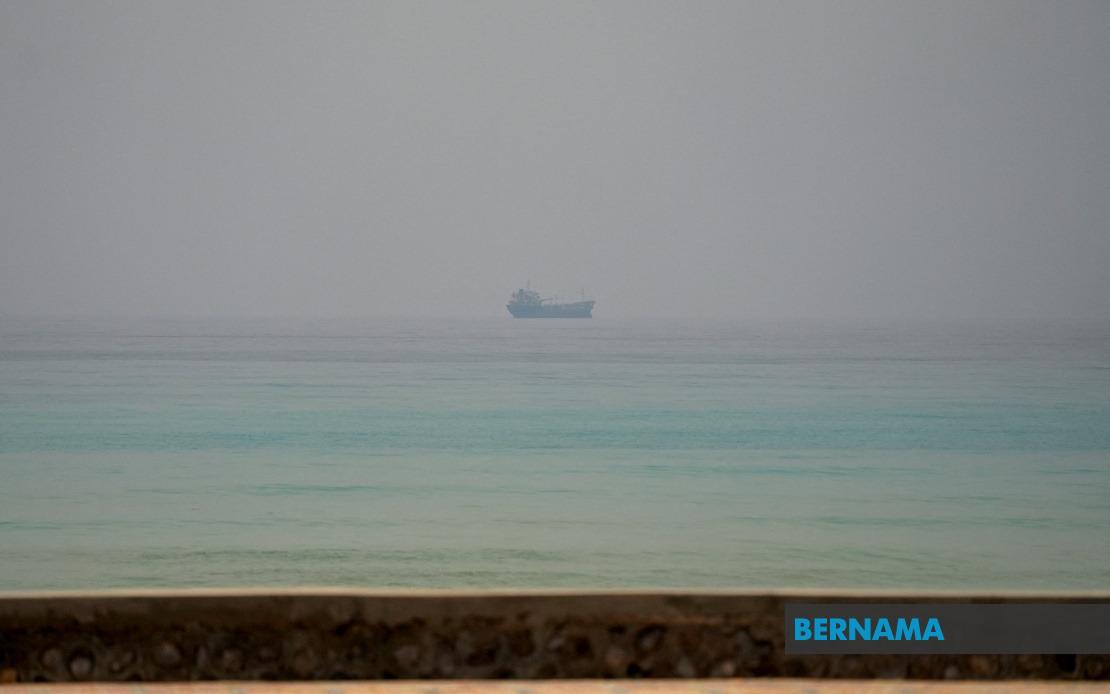
The maritime security situation in the Persian Gulf deteriorated sharply on Tuesday when three oil tankers experienced strikes off the Omani coast, prompting emergency rescue operations and renewing international concerns about the safety of commercial shipping in one of the world's most critical energy chokepoints. Oman's Maritime Security Centre reported the incidents, which resulted in injuries and missing personnel, underscoring the vulnerability of vessels transiting the strategically vital Strait of Hormuz, through which a significant portion of global petroleum supplies pass daily.
The first attack involved the tanker Stolt Magnesium, which was struck approximately 40 nautical miles off South Al Sharqiyah Governorate in international waters. The strike triggered a fire in the vessel's engine room, creating an immediate hazard to the 23-member crew aboard. However, a nearby merchant vessel responded swiftly to the emergency, evacuating all personnel without fatality, and the crew were reported to be in stable condition following the incident.
Two additional vessels operated by ADNOC Logistics & Services, the maritime arm of Abu Dhabi National Oil Company, came under attack within hours of the first incident. The Mombasa B was struck approximately 8.5 nautical miles off Musandam Governorate, causing catastrophic damage to the vessel's propulsion systems and leaving it without engine power. The 21-member crew required evacuation by a cooperating vessel, though six mariners sustained injuries of varying degrees during the attack and subsequent rescue.
The third vessel, Al Bahyah, was targeted roughly 9.6 nautical miles off the same Musandam Governorate coastline. Although 18 of its crew were successfully evacuated with assistance from a Royal Navy of Oman vessel, three mariners remained unaccounted for following the strike, prompting an ongoing search operation. ADNOC Logistics & Services confirmed that both the Mombasa B and Al Bahyah were struck by projectiles, with reports indicating at least one seafarer was killed across the incidents and several others wounded.
These coordinated attacks occur against a backdrop of escalating military posturing between the United States and Iran over control and influence in the Strait of Hormuz, a narrow waterway flanked by Oman and Iran that handles approximately one-third of the world's seaborne traded oil. The recent incidents represent a significant escalation in the frequency and severity of maritime incidents in the region, raising alarms among shipping companies, energy markets, and international observers concerned about global economic stability.
For Malaysian stakeholders, the implications are substantial. As a nation dependent on imported petroleum products and with significant shipping interests operating throughout Southeast Asian waters and beyond, Malaysia faces both direct and indirect exposure to disruptions in the Strait of Hormuz. Any prolonged instability in this maritime corridor would likely drive up global energy prices, affecting Malaysia's import costs and economic competitiveness. Additionally, Malaysian shipping companies operating in the region face heightened insurance costs and operational risks.
Oman's Foreign Ministry responded to the incidents by issuing a carefully worded statement calling for adherence to international maritime law, restoration of freedom of navigation, and assurance of safe passage for commercial vessels through the strategic waterway. This diplomatic position reflects Oman's historical role as a pragmatic mediator between regional powers and its economic interest in maintaining maritime stability, given its reliance on shipping and port revenues.
The attacks underscore persistent vulnerabilities in global maritime infrastructure and the concentration of geopolitical risk in a single chokepoint. The Strait of Hormuz's critical importance to world energy supplies makes any disruption to shipping there a matter of international concern, not merely a regional issue. Previous attacks on tankers in the region have been attributed to Iranian-aligned forces by Western observers, though definitive attribution remains contested and politically fraught.
The incident sequence on Tuesday demonstrates how quickly security situations can deteriorate in contested waters. Multiple strikes occurring within hours suggest either coordinated action or a sustained campaign rather than isolated accidents. The involvement of both international merchant vessels and Omani naval assets in rescue operations highlights how maritime crises require rapid multinational cooperation and mutual assistance, even among parties with broader geopolitical disagreements.
Industry analysts expect the attacks to further complicate maritime insurance considerations and shipping route planning for vessels transiting the region. Some operators may seek alternative routes around the Cape of Good Hope, although this significantly lengthens voyages and increases operational costs. The psychological impact on shipping companies and crews should not be underestimated, as mariners face genuine personal danger when operating in contested waters.
The broader context includes months of tense interaction between American military forces and Iranian-backed maritime militia groups in the Persian Gulf. Recurring incidents, including previous attacks on tankers and drone strikes, have created an environment of persistent uncertainty affecting commercial shipping throughout the region. International shipping organizations have issued multiple advisories urging heightened vigilance for vessels transiting these waters.
Governments across Southeast Asia, including Malaysia, face pressure to evaluate their exposure to Persian Gulf risks and consider diplomatic efforts to reduce tensions. Malaysia's position as a maritime trading nation with global commerce interests makes regional stability a national concern. The incidents also highlight the importance of developing alternative energy sources and reducing dependency on Middle Eastern oil supplies for long-term economic security.
Moving forward, the international community will monitor whether these incidents represent a temporary spike in tensions or the beginning of a more dangerous phase of maritime conflict in the Strait of Hormuz. The involvement of major oil producers' vessels and the clear pattern of strikes suggest that protecting shipping lanes remains a top priority for global powers concerned with economic stability and freedom of navigation.

