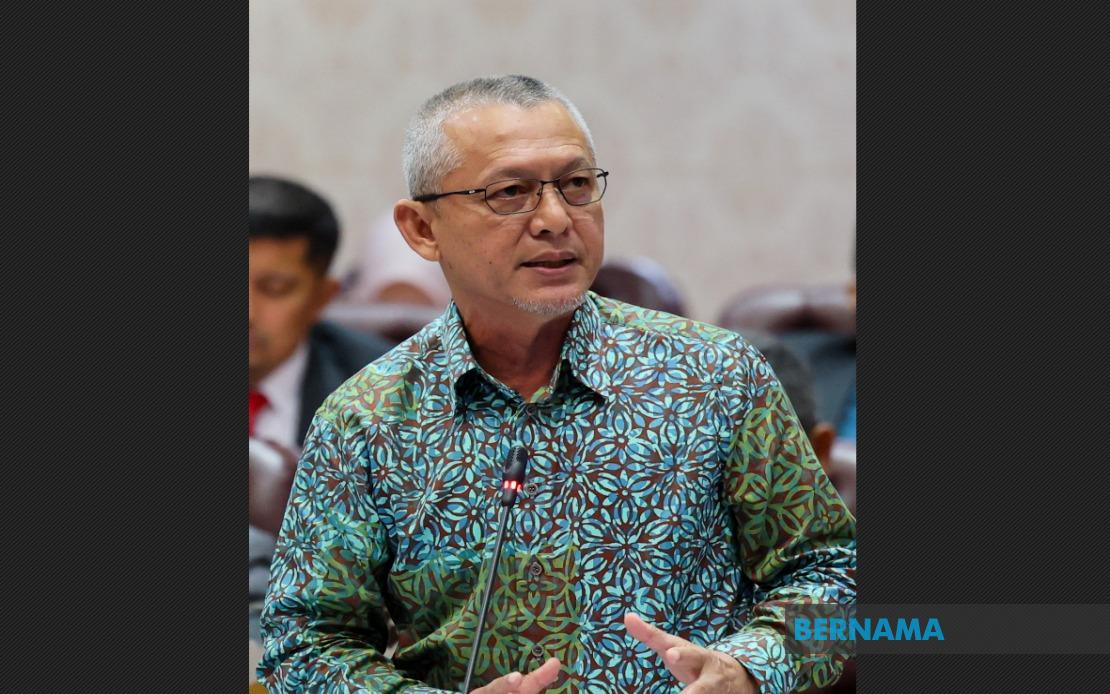
A significant leadership shake-up has struck the Terengganu chapter of Parti Pribumi Bersatu Malaysia, as the state party chief along with two state legislators have announced their departures from their respective positions within the party hierarchy. The move raises fresh questions about the stability of party structures in the northern state and comes amid ongoing political dynamics within Malaysia's coalition system.
Datuk Razali Idris, who currently serves as both the Terengganu Bersatu chief and a member of the state executive council, submitted his resignation letter to Bersatu president Tan Sri Muhyiddin Yassin on July 16. Despite the passage of time since submitting the formal letter, Razali indicated that the party's national headquarters has yet to provide any official acknowledgement or decision regarding his request to step down from his leadership duties.
When approached for comment, Razali stressed that party leadership at the federal level remains silent on the matter. He explained that his communications to Muhyiddin and other senior figures have not yielded any response confirming whether the central party administration will accept or reject his resignation proposal. The absence of feedback underscores potential communication gaps between state-level leaders and the national party apparatus.
Additionally, Razali announced his intention to resign from his position as the Marang Bersatu division chief, though he has postponed this particular resignation until mid-month. He attributed the delay to outstanding administrative responsibilities that require completion before his formal withdrawal from the divisional leadership post. This phased approach suggests he is attempting to ensure a smooth transition of his duties.
Telemong state assemblyman Mohd Zawawi Ismail has also tendered his resignation from his role as the Terengganu State Bersatu information chief. Similarly, Hulu Besut assemblyman Mohd Husaimi Hussin has stepped down as the State Bersatu treasurer. Both representatives confirmed their resignations when contacted and indicated they would formally notify the central Bersatu leadership through official correspondence about their departures from their respective positions.
A critical distinction underlies these developments: all three leaders have clarified that their resignations apply solely to their state-level party positions and do not constitute a withdrawal from Bersatu membership itself. This distinction is significant in Malaysian politics, where remaining party members while leaving leadership roles allows individuals to maintain political flexibility and avoid the more severe consequences of outright party departure.
The timing of these simultaneous resignations in Terengganu warrants scrutiny within the broader context of Bersatu's organisational dynamics. As a key component of Malaysia's political coalition, internal cohesion within Bersatu's state chapters directly influences the government's stability and legislative capacity. Leadership transitions in individual states, particularly when they occur in clusters rather than isolation, often signal underlying tensions or strategic recalibrations within party structures.
For Malaysian observers and political analysts, the unfolding situation in Terengganu reflects ongoing challenges that several parties face in maintaining unified state organisations. The gap between when Razali submitted his resignation in mid-July and the lack of response from national headquarters raises questions about the responsiveness of party administrative processes at the federal level. Such delays in addressing formal resignations can create periods of uncertainty regarding actual power distribution within state structures.
The involvement of two state assemblymen alongside the state party chief suggests this may represent a coordinated transition rather than isolated individual decisions. In Malaysian state politics, such simultaneous movements often precede broader reorganisations or indicate that multiple leaders have reached similar conclusions about their positions within party hierarchies. The public nature of their announcements, rather than private departures, signals they wish their moves acknowledged and understood within the political community.
Terengganu's political significance extends beyond its own boundaries, given its role within the broader Perikatan Nasional coalition structure. Any fluctuations in state-level leadership confidence or stability can have ripple effects on coalition dynamics and state governance performance. The Malaysian electorate, particularly in Terengganu, tends to monitor such developments closely as indicators of whether their representatives maintain adequate authority and influence within their respective parties.
The emphasis by all three leaders that they remain party members fundamentally distinguishes this situation from defections or party-switching scenarios. This retention of membership suggests they may continue participating in party activities and remain available for future responsibilities. It also indicates their actions are motivated by specific concerns about their current roles rather than broader disaffection with the party's direction or ideology.
Looking forward, the response from Muhyiddin and the national Bersatu leadership will be telling. How quickly and through what mechanism they address these resignations will signal the party's capacity to manage internal transitions smoothly. For Terengganu voters and political stakeholders, this period of transition presents an opportunity to observe whether the party can maintain effective governance and leadership during moments of organisational change, matters that ultimately affect the delivery of state-level services and representation.

