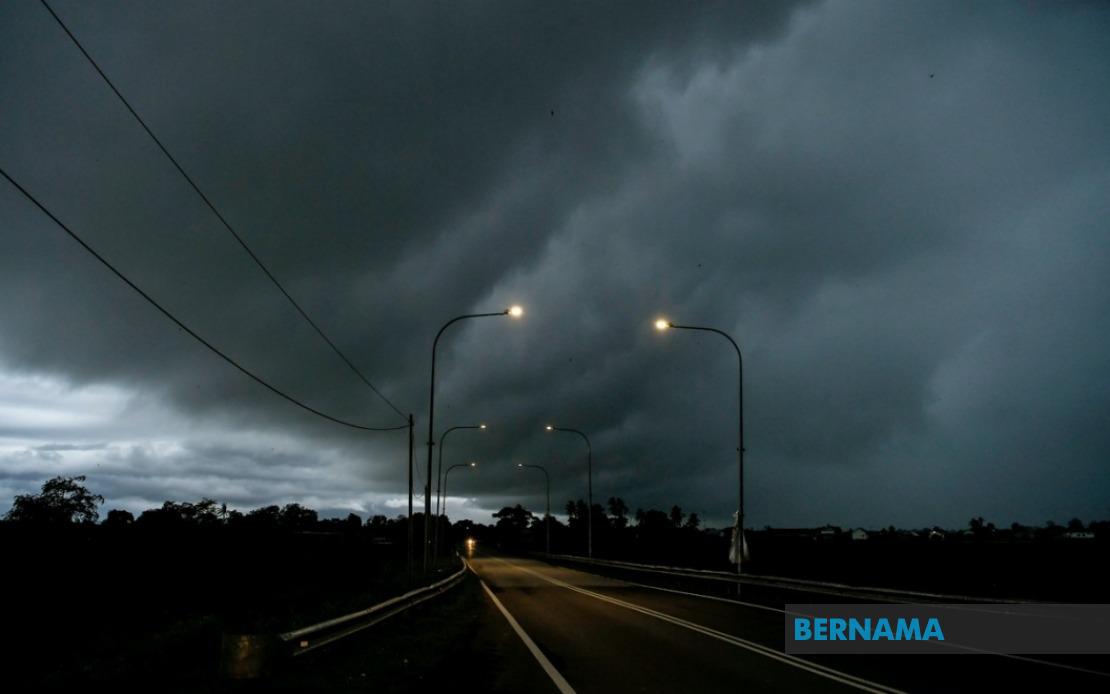
The Malaysian Meteorological Department has activated a nationwide thunderstorm alert covering nine states along with the federal territories of Kuala Lumpur and Putrajaya, with severe weather conditions anticipated to persist until 6 pm. The warning encompasses Johor, Negeri Sembilan, Perak, Kelantan, Terengganu, Pahang, and Selangor across Peninsular Malaysia, whilst extending to East Malaysian states Sarawak and Sabah.
Within Peninsular Malaysia, the alert remains particularly concentrated across specific districts where meteorological conditions favour convective activity. Perak faces heightened warnings in its northern and central divisions, including Hulu Perak, Kuala Kangsar, Kinta, Kampar, and the Hilir Perak districts along with Batang Padang and Muallim. The East Coast states of Kelantan, Terengganu, and Pahang face similarly broad exposure, with the warning covering densely populated areas such as Kuala Terengganu and Kuantan alongside rural inland regions like Gua Musang and the Cameron Highlands plateau.
Selangor, the nation's most populous state and economic heartland, faces significant risk across its western and eastern corridors. Affected divisions span from the coastal Sabak Bernam and Kuala Selangor districts through to the Klang Valley's urban core, encompassing Gombak, Petaling, and Sepang, as well as the eastern highland zones around Hulu Langat. This broad geographical spread underscores the extensive nature of the atmospheric disturbance affecting the region, with implications for transportation networks, business operations, and daily routines across the federal capital and its surrounding districts.
In Sarawak, the warning encompasses both the state capital and critical economic zones. Kuching, the administrative and commercial heart of the state, remains on alert alongside several interior divisions. The affected areas extend across diverse landscapes from Sibu in the central region through to the northern divisions of Miri and Limbang, reflecting the widespread nature of the convective system. Kapit, Bintulu, and Mukah divisions also face the warning, creating a scenario where multiple population centres and transportation hubs experience simultaneous severe weather conditions.
Sabah similarly confronts extensive storm risk across its three major geographical zones. The interior highlands region faces warnings across Sipitang, Tenom, Beaufort, Nabawan, Keningau, and Tambunan, where terrain and altitude can intensify rainfall effects. The populous west coast belt encompasses Papar, Penampang, Kota Kinabalu, Tuaran, and Ranau—representing the state's demographic and economic core where disruption carries significant consequences. The Sandakan division in the east faces parallel threats across Tongod, Telupid, Beluran, and Sandakan itself, potentially affecting one of the state's major urban and port centres.
Thunderstorms of this calibre present multifaceted risks across affected regions. Heavy rainfall can trigger flash flooding in low-lying areas, overwhelm urban drainage systems already strained by recent precipitation, and create hazardous conditions on roadways and highways. The strong winds accompanying such systems pose dangers to outdoor structures, electrical infrastructure, and vegetation. For residents and commuters, the warning necessitates heightened vigilance regarding travel plans and securing loose outdoor items.
The Malaysian Meteorological Department's decision to issue formal warnings reflects atmospheric conditions meeting specific meteorological thresholds. Such alerts typically indicate instability indices, moisture availability, and wind shear patterns conducive to organised severe weather development. The temporal specificity of the 6 pm deadline suggests forecasters expect the convective system to weaken or shift during the evening hours as solar heating diminishes, though localised cells may persist longer in particular zones.
For critical infrastructure operators, the warning carries operational implications. Transportation authorities typically implement heightened monitoring of traffic conditions and may deploy additional resources to manage congestion arising from cautious driver behaviour. Utility companies activate emergency protocols to address potential disruptions to electrical supply. Public facilities and commercial establishments prepare contingency measures to ensure operational continuity whilst prioritising occupant safety.
The geographical scope of this alert—spanning from the peninsula's central highlands to East Malaysia's extensive territorial coverage—underscores the scale of the meteorological system affecting the nation. Such widespread severe weather events, whilst not uncommon during particular monsoon phases and seasonal transitions, remain events requiring community preparedness and official coordination. The Malaysian Meteorological Department's issuance of clear temporal and spatial guidance enables residents, businesses, and authorities to implement appropriate protective measures during this period of elevated atmospheric instability.

