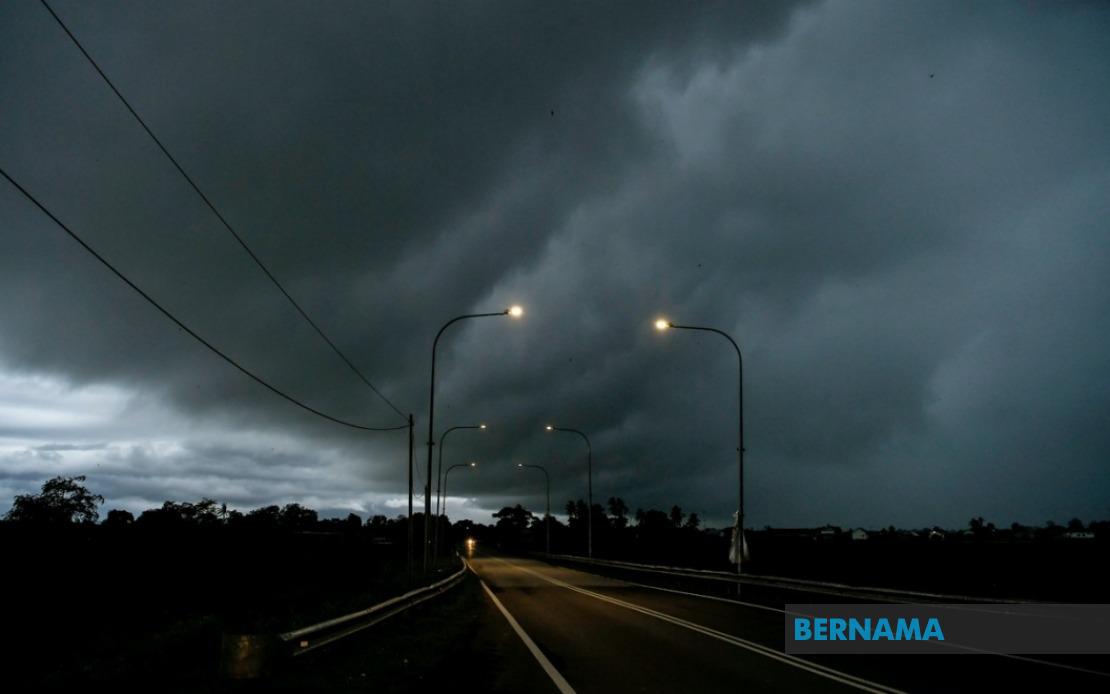
The Malaysian Meteorological Department has activated weather alerts across a significant portion of Peninsular Malaysia, warning residents of potentially hazardous conditions including thunderstorms, intense rainfall, and powerful wind gusts. The warning encompasses a wide geographic area stretching from the northern states down through the central regions, affecting major population centers and suburban zones. Authorities have set the initial alert period to expire at noon, though some localities face an extended warning window lasting until early afternoon.
The northern state of Kedah finds itself in the warning zone, with the districts of Kuala Muda and Yan identified as particularly vulnerable to the incoming weather system. These areas, which form part of the state's agricultural heartland and residential zones, could experience significant disruption to daily activities if the predicted conditions materialise as forecasted. The timing of the alert, issued during typical working and school hours, suggests the potential for transport delays and operational challenges across these districts.
Neighbouring Penang, which encompasses both the island and mainland portions of the state, has been placed on alert as the weather system moves across the region. The entire state represents one of Malaysia's most densely populated areas, housing millions of residents and serving as a major economic hub. The combination of thunderstorms and strong winds poses particular risks in urban settings where infrastructure and transportation networks concentrate, potentially affecting ferry services, traffic flow, and business operations.
Selangor, Malaysia's most populous state and economic engine, faces threats across multiple subdivisions. The warning specifically identifies Klang, Kuala Langat, Sepang, Kuala Selangor, Petaling, Sabak Bernam, and Gombak as areas of concern. This roster of districts covers both industrial zones and densely populated residential areas, including areas proximate to Kuala Lumpur International Airport and major manufacturing facilities. The potential disruption carries implications not merely for local residents but for the broader regional economy.
Perak has drawn particular attention from forecasters, with multiple districts warranting heightened caution. Bagan Datuk faces the standard warning period through noon, while the districts of Kerian, Larut, Matang and Selama, Manjung, Perak Tengah, and Hilir Perak remain under alert until 1 pm. This extended warning for the latter zones suggests meteorologists have identified these areas as facing sustained risk of severe weather, warranting an additional hour of vigilance beyond the primary alert period.
The Federal Territories of Kuala Lumpur and Putrajaya, encompassing the nation's administrative and commercial heart, have also been incorporated into the warning area. These federal territories host government offices, international businesses, and residential populations numbering in the millions. Disruption in these areas carries cascading effects across national governance and economic activities, underscoring the significance of the meteorological alert.
Thunderstorm warnings of this nature typically prompt precautionary measures from relevant authorities. Residents in affected zones are generally advised to remain indoors when possible, avoid venturing near bodies of water, secure loose outdoor items that could become projectiles in strong winds, and monitor official weather updates for any escalation in conditions. Schools and workplaces may experience operational adjustments to accommodate the alert period.
The Malaysian Meteorological Department issues such warnings based on sophisticated weather monitoring systems and predictive modelling that tracks atmospheric pressure systems, moisture content, and wind patterns across the region. The specific timing and geographic delineation of the alert zones reflects the agency's assessment of where atmospheric conditions pose the greatest risk during the specified hours. Such warnings serve as early notification systems allowing residents and organisations to implement appropriate protective measures.
For aviation and maritime sectors, thunderstorm warnings carry particular operational significance. Air traffic management systems typically implement additional protocols during periods of forecasted severe weather, potentially affecting flight schedules and routing. Similarly, maritime operations may adjust departure times or routing plans to avoid crossing warning zones during peak storm activity. The economic implications extend beyond mere inconvenience to encompass measurable impacts on logistics and time-sensitive operations.
The issuance of these alerts underscores the dynamic nature of Malaysia's tropical climate, where afternoon thunderstorm systems occur with considerable frequency during certain seasons. While individual storms may be brief in duration, the combination of heavy rainfall, lightning, and strong winds creates conditions warranting public awareness and preparedness. Residents familiar with such warnings understand the importance of monitoring official channels rather than relying on informal information networks.
Authorities continue to monitor atmospheric conditions throughout the warning period, with the possibility of extending or modifying alerts should conditions warrant such adjustments. The Malaysian Meteorological Department maintains operational capability to issue updated guidance in real time should new developments emerge. Members of the public are encouraged to stay informed through official channels and heed any advisory modifications announced before the standard alert expiration times.

