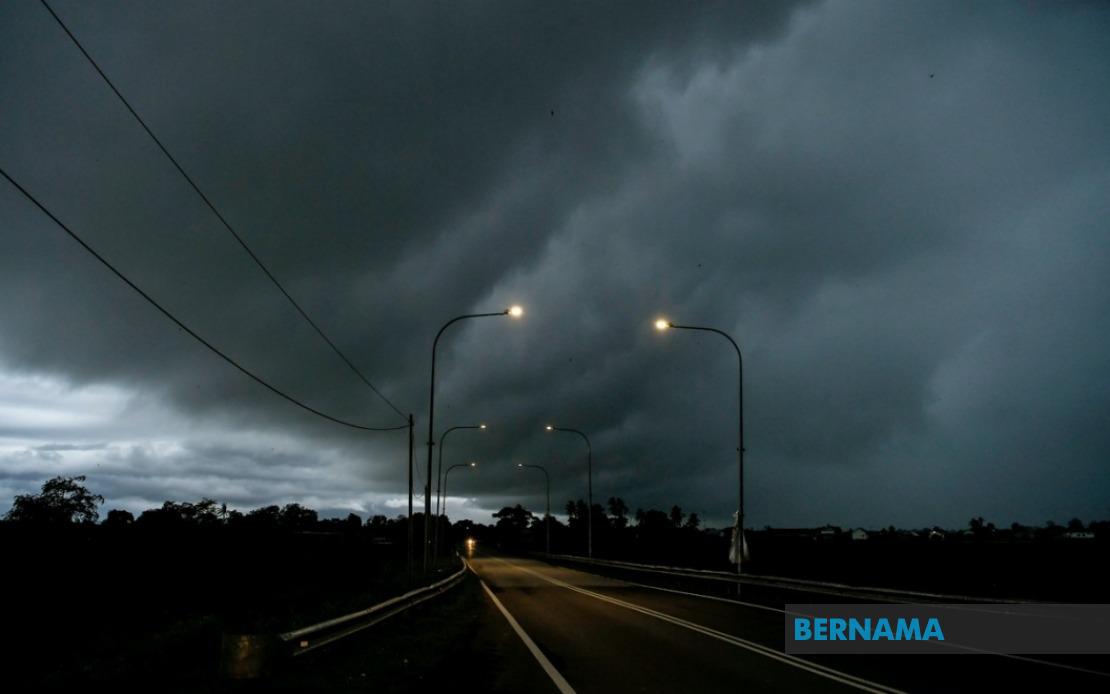
The Malaysian Meteorological Department issued an alert on Tuesday covering extensive areas across the nation where residents should expect thunderstorms, torrential downpours and potentially damaging winds lasting until 9 pm. The widespread advisory reflects the volatile atmospheric conditions developing across multiple regions, necessitating heightened public awareness and preparedness measures.
The entire state of Perlis finds itself within the danger zone, whilst neighbouring Kedah experiences partial coverage including the island of Langkawi alongside mainland districts such as Kubang Pasu, Kota Setar, Pokok Sena, Padang Terap, Sik and Baling. These northern regions, already prone to seasonal moisture influx, face particularly acute risk given the timing and intensity of the forecasted weather system.
Perak's exposure encompasses both the western districts and interior highlands, with warnings affecting Kerian, Larut, Matang and Selama, Kuala Kangsar, Kinta and Kampar. The inclusion of multiple districts suggests a cohesive weather pattern sweeping through the state rather than isolated incidents, signalling the magnitude of the meteorological disturbance.
Central Peninsular Malaysia shares in the cautionary alert, with Pahang's Cameron Highlands, Bentong, Bera and Rompin areas flagged for potential severe conditions. Selangor's Hulu Langat district, a densely populated area serving as a water catchment region, also falls within the warning boundary. Negeri Sembilan's Jelebu and Jempol divisions and Johor's southeastern districts of Segamat, Kluang and Mersing round out the Peninsular coverage, establishing a pattern that stretches from the northwestern frontier to the southern borders.
East Malaysia faces equally concerning conditions. Sarawak's entire western seaboard and interior regions are affected, encompassing Kuching's outlying areas of Bau, Serian and Samarahan jurisdictions, together with Sarikei, Sibu, Mukah, Kapit, Bintulu and Miri divisions. Limbang in the far northeast completes the state's exposure. The breadth of coverage across Sarawak indicates meteorological systems affecting the entire state despite its vast geographical expanse.
Sabah similarly faces comprehensive risk exposure, with warnings covering both the interior mountain zones including Sipitang, Kuala Penyu, Beaufort and Tambunan alongside the western coastal belt and Sandakan's interior districts of Tongod and Kinabatangan. The inclusion of both highland and lowland areas suggests vertical atmospheric instability across the state's diverse topography.
These weather conditions warrant significant community attention, particularly given the convergence of thunderstorms with heavy precipitation and strong winds—a combination presenting multiple hazards simultaneously. Thunderstorms can spawn sudden flash flooding in vulnerable areas, whilst high winds risk structural damage and tree falls that endanger lives and infrastructure. Communities in hilly and mountainous terrain face additional landslide risks during such events.
The timing until 9 pm provides a definitive window for public preparation and awareness, though residents should remain vigilant as weather patterns sometimes extend beyond forecast periods. Commuters, outdoor workers and recreational users should exercise heightened caution and consider postponing non-essential activities. Parents should monitor children's outdoor exposure, and motorists should exercise defensive driving practices given reduced visibility and slippery road conditions.
For Malaysian and Southeast Asian readers, such widespread alerts underscore the region's vulnerability to tropical weather systems, particularly during transitional monsoon periods. Climate patterns across the region have shown increasing volatility in recent years, with intensity and geographical distribution of severe weather events becoming less predictable. Residents in the affected areas would be prudent to maintain emergency supplies, ensure drainage systems are unobstructed, and keep communication devices charged.
The comprehensive nature of this alert—spanning from Perlis in the northwest to Limbang in the northeast, and affecting major population centres like the Klang Valley—demonstrates the scale of the meteorological system. Authorities typically issue such broad warnings when confident in the severity and coverage of incoming weather, justifying the precautionary approach MetMalaysia has adopted. Public compliance with safety advisories during such periods proves critical in minimizing injury and property damage across the nation's diverse landscape.