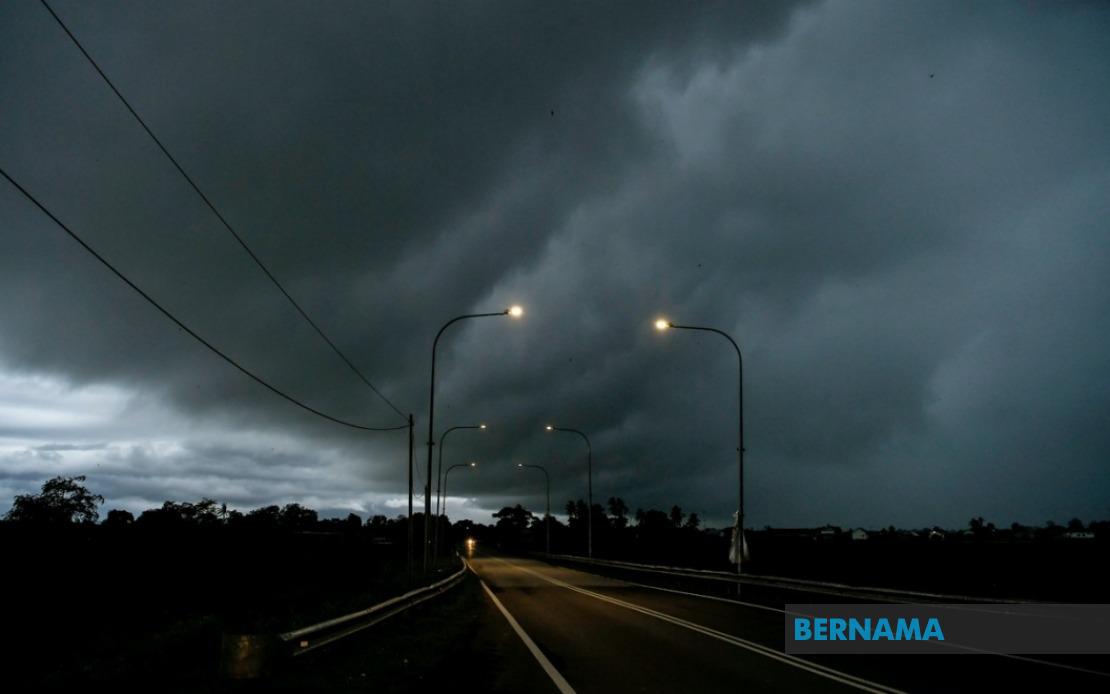
The Malaysian Meteorological Department has issued an urgent weather warning covering multiple states across the peninsula, as thunderstorms, heavy rainfall and strong winds are expected to persist through the midday hours. The forecasted severe conditions pose potential risks to transportation, outdoor activities and daily operations across affected communities, prompting officials to recommend heightened public vigilance in vulnerable areas.
Kedah faces the greatest geographic spread of hazardous weather, with four districts bracing for impact. Kota Setar, the state capital and primary commercial hub, sits among the vulnerable zones alongside Pokok Sena, Yan and Pendang. The northern region's exposure to these systems reflects the seasonal weather patterns typical of this period, when monsoonal influences can generate substantial precipitation across the peninsula's upper reaches.
Perak's vulnerability extends to three significant districts: Manjung, a key coastal industrial zone; Bagan Datuk, situated along the Perak River estuary; and Hilir Perak in the state's western corridor. These areas, particularly Manjung with its port facilities and petrochemical operations, may experience operational disruptions should the predicted heavy rain and strong winds materialize as forecast.
Negeri Sembilan's southern districts of Rembau and Tampin represent the meteorological department's coverage across the central peninsula. The state's inland topography can channel rainfall into watercourses, creating flash flood potential when thunderstorms concentrate over specific localities during short, intense bursts.
The broader southern region faces equally concerning prospects. Melaka, positioned on the peninsula's southwestern coast, falls within the warning zone, while Johor's extensive vulnerability encompasses six districts spanning from the central plantation areas through to the southern coastline. Tangkak and Muar lie in the state's interior and western sections, whereas Batu Pahat, Pontian, Kulai and Johor Bahru stretch across the southern and southeastern portions. This comprehensive coverage indicates meteorologists anticipate the weather system may affect a significant swathe of the peninsula's southern half.
The convergence of thunderstorm activity, torrential rain and gusty winds creates compounded hazards for residents and businesses. Thunderstorms generate localized intense rainfall capable of overwhelming drainage infrastructure, whilst strong winds pose dangers to structures, vehicles and outdoor installations. The combination particularly threatens coastal and low-lying areas prone to water accumulation. Johor Bahru and Melaka, given their coastal positioning and existing vulnerability to monsoon-related flooding, warrant special attention from residents and emergency services.
The temporal constraint—warnings extending only until noon—suggests meteorologists expect the system to weaken or move away during afternoon hours. However, this relatively short window should not breed complacency; concentrated heavy rain in just a few hours can still trigger significant localized flooding, especially in drainage-challenged communities and along traditional flood-prone corridors that characterize several affected districts.
Public preparedness becomes critical during such forecasts. The meteorological department's advisory emphasizing vigilance directs residents toward practical precautions: avoiding unnecessary travel in affected areas during peak storm intensity, securing loose outdoor items vulnerable to strong winds, and monitoring official weather updates through MetMalaysia's authorized channels. Malaysian news media and local authorities typically amplify such warnings, but individual responsibility for monitoring conditions remains paramount.
For businesses and municipal authorities across the five states, the warning necessitates contingency activation. Construction sites, outdoor markets, port operations and transportation networks typically institute weather-related protocols when thunderstorm and heavy rain warnings activate. Emergency response teams in state disaster management offices likely enter heightened readiness to address any reported flooding, wind damage or weather-related incidents requiring immediate intervention.
MetMalaysia's reliance on residents accessing information through official channels underscores the importance of digital weather literacy across Malaysia. With smartphone applications, website alerts and social media channels now standard for disseminating such warnings, public engagement with authoritative meteorological information has become increasingly central to disaster preparedness. The department's emphasis on residents obtaining latest information reflects recognition that rapid weather updates help communities make real-time safety decisions.
The geographic spread across the peninsula's north, central and southern regions suggests the underlying weather system possesses considerable lateral extent. Such patterns often reflect seasonal transitions or the influence of broader atmospheric dynamics affecting multiple states simultaneously. For Malaysian meteorologists, accurately predicting the system's duration and intensity helps emergency management authorities allocate resources efficiently and prepare populations appropriately.

