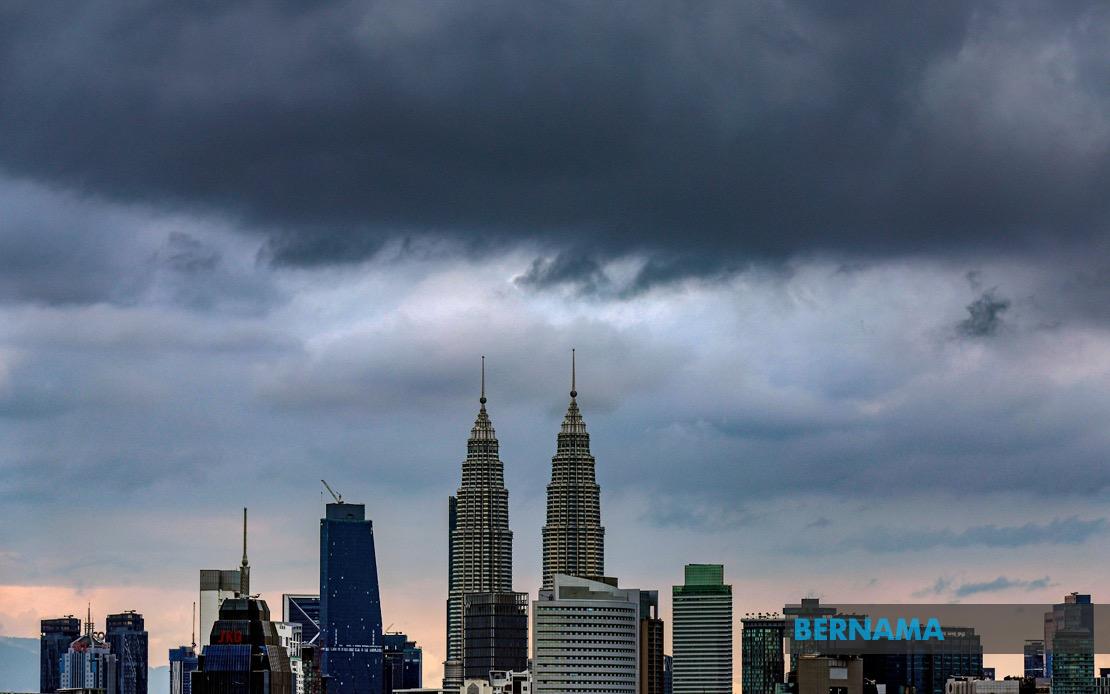
Malaysia's Meteorological Department issued an alert on July 23 covering a wide swathe of the country's most densely populated regions, warning of destructive thunderstorms, torrential rain and powerful gusts expected to persist until 3 pm. The advisory underscores the volatile weather patterns that characterise Malaysia's tropical monsoon climate, particularly during periods of atmospheric instability that can develop rapidly across the peninsula.
The warning encompasses the federal territories of Kuala Lumpur and Putrajaya alongside eight states spanning from the northwest coast down through the central belt to the southern regions. This geographical spread reflects a broad weather system affecting communities and infrastructure across multiple administrative boundaries, necessitating coordinated preparedness measures among different state and local authorities.
In the northern state of Kedah, seven specific districts face the brunt of the anticipated conditions: Yan, Pendang, Kuala Muda, Sik, Baling, Kulim and Bandar Baharu. Similarly, Perak's vulnerable areas include Kerian and the combined district of Larut, Matang and Selama. These northern zones often experience intense precipitation during such weather events, creating risks of flash flooding in low-lying areas and disruptions to transportation networks.
Penang faces complete coverage under the warning, indicating uniform weather conditions across the entire state. This is significant given the island's topography and urban density, where heavy rainfall can overwhelm drainage systems and create hazardous commuting conditions. The entirety of Selangor, Malaysia's most populous state, falls within the warning zone, though specific districts are highlighted: Kuala Selangor, Klang, Gombak, Petaling, Kuala Langat, Hulu Langat and Sepang. These areas encompass major commercial, industrial and residential zones forming the heart of the Klang Valley conurbation.
Central peninsular states similarly face disruption, with Pahang's Rompin district, Negeri Sembilan's Seremban, Port Dickson, Rembau and Tampin, and the entirety of Melaka included in the alert. The coverage extends southward into Johor, where five districts warrant particular attention: Tangkak, Segamat, Muar, Batu Pahat and Kluang. This meridional extension demonstrates how weather systems can propagate across considerable distances, affecting regions from Kedah in the north to Johor in the south.
The hazards enumerated—thunderstorms, heavy rainfall and strong winds—represent a trinity of threats that can cascade into compound effects. Thunderstorms accompanied by intense rain create conditions susceptible to flash flooding, whilst associated wind gusts can damage structures, fell trees and disrupt utilities. Commuters face heightened accident risks, and outdoor activities become inadvisable. For businesses and public services, operational disruptions are probable.
The three-hour warning window until 3 pm indicates the meteorological department's assessment that these conditions represent an acute but temporally limited phenomenon. Such precision in timing reflects modern forecasting capabilities, though residents and authorities are advised to maintain vigilance throughout the specified period and monitor updated bulletins for any extension or modification.
For Malaysian communities accustomed to tropical rainfall, such warnings have become routine during monsoon seasons and periods of atmospheric instability. However, cumulative effects of successive heavy rain events, particularly in urban areas with aging drainage infrastructure, underscore the ongoing challenges facing municipal authorities. Climate change patterns have intensified precipitation intensity in recent years, straining systems designed for historical rainfall norms.
Public authorities across affected states typically activate emergency response protocols when such alerts are issued, positioning personnel and resources to respond to incidents. Traffic management authorities increase patrols on prone routes, whilst utility companies monitor infrastructure vulnerability. Citizens are generally advised to avoid unnecessary travel, secure loose outdoor items, and remain indoors during peak storm activity.
The geographic scale of this warning—encompassing multiple states and federal territories—reflects the interconnected nature of Malaysia's weather systems. Atmospheric conditions developing over the Strait of Malacca or the South China Sea can rapidly translate into hazardous conditions across the peninsula. Regional cooperation among meteorological services helps provide early warning, though local adaptation and preparedness remain crucial for minimising harm to communities and economic activity.
For businesses, logistics operators and commuters planning activities through the afternoon, the advisory warrants immediate consideration. Supply chain disruptions, delayed shipments and reduced retail foot traffic often accompany such weather events. Insurance claims typically spike following severe weather, reflecting the tangible economic costs imposed by nature's more violent displays. As Malaysia continues urbanising and densifying its population centres, the importance of robust weather forecasting and emergency management infrastructure becomes increasingly critical.

