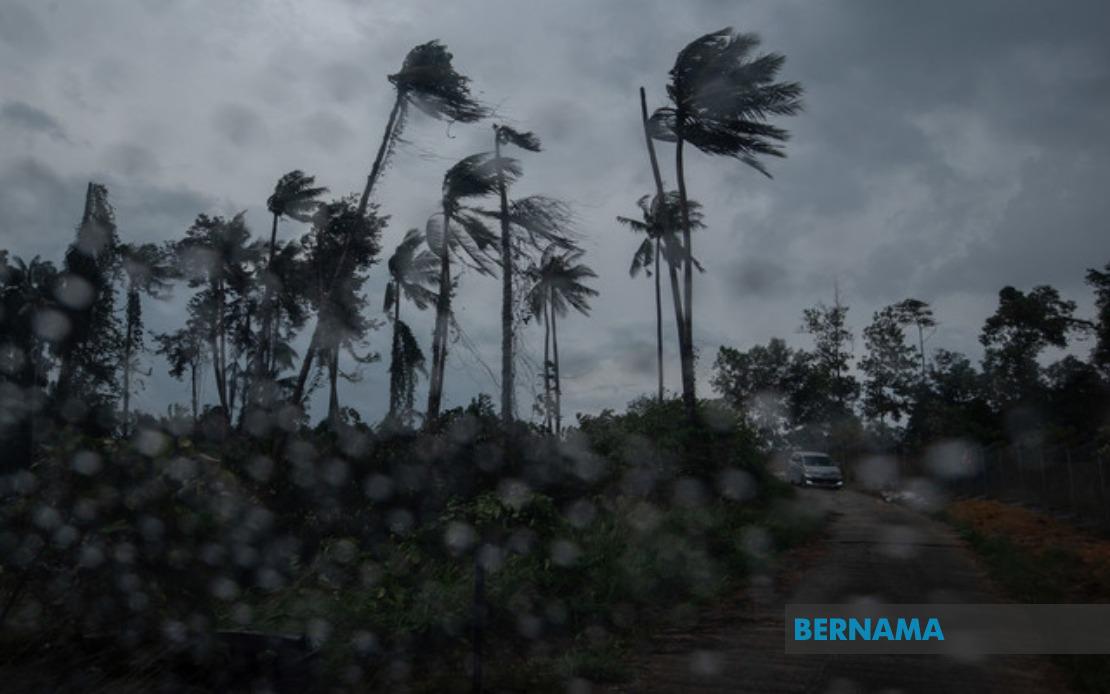
The Malaysian Meteorological Department issued a widespread weather alert early Friday morning warning of severe thunderstorms, torrential downpours and dangerous wind gusts set to impact a broad swathe of the country through the early afternoon. The alert, transmitted at 8:35 am, outlined extensive coverage across both Peninsular Malaysia and the East Malaysian state of Sarawak, with meteorologists cautioning residents and travellers to exercise heightened vigilance during the period of heaviest precipitation.
Across the peninsula, the entire states of Perlis and Melaka face the brunt of the incoming weather system, alongside several high-traffic districts in Kedah including the popular island destination of Langkawi alongside the urban centres of Kubang Pasu and Kota Setar. The warning extends through key economic zones and population centres, raising concerns about potential disruptions to daily activities and transport networks in affected regions during the morning and early afternoon hours.
Pahang's exposure encompasses three significant districts: Kuantan, the state capital and major commercial hub; Pekan, located along the east coast; and Jerantut, situated inland. In neighbouring Selangor, authorities have flagged Sepang and Kuala Langat as vulnerable zones, areas of considerable strategic importance given Sepang's proximity to Kuala Lumpur International Airport and major industrial corridors. The warning also covers five districts within Negeri Sembilan—Port Dickson with its substantial maritime and commercial activities, Seremban, Rembau, Kuala Pilah, and Tampin—suggesting the system's reach extends through the state's principal population and economic centres.
Johor residents in Tangkak and Muar were similarly placed under alert, affecting communities in the southern peninsula's industrial and agricultural zones. The breadth of the alert reflects a significant weather system with considerable geographic extent, potentially affecting millions of Malaysians across diverse regions simultaneously. This pattern of widespread impact underscores the intensity of the meteorological conditions developing across the country.
Sarawak's East Malaysian populace faces comparable warnings affecting nine distinct localities. Mukah, Selangau, and Sibu represent major commercial and administrative hubs along the Rajang River basin, while Sarikei and Maradong extend coverage through the central region. The alerts encompassing Bintulu, Kapit, Bukit Mabong and Subis in Miri division suggest the system's influence reaches across multiple geographical zones throughout the state, affecting both coastal and inland communities.
The Malaysian Meteorological Department classified this alert as a short-term weather warning, a designation reserved for conditions expected to materialise within relatively compressed timeframes and typically maintaining validity for no longer than six-hour windows per individual advisory. This classification indicates the meteorological agency's assessment that conditions would develop rapidly and potentially shift relatively quickly, necessitating time-sensitive public awareness and response preparations.
Such widespread severe weather alerts carry substantial practical implications for Malaysian society. Transportation networks, including highways, railways and domestic aviation, frequently experience service disruptions during periods of heavy precipitation and strong winds, with visibility reductions and wet surface conditions creating hazards for both road and air traffic. Commercial activities, outdoor construction projects, and agricultural operations in affected areas face potential suspension or slowdown during the warning period.
For residents in the affected zones, MetMalaysia's alert serves as advance notice to secure loose outdoor items, prepare contingency plans for potential power disruptions, and monitor conditions closely. Tropical thunderstorms of the intensity suggested by this broad-based alert can produce localised flash flooding, particularly in low-lying areas and regions with inadequate drainage infrastructure, creating additional risks beyond wind damage and heavy precipitation.
The timing of the alert—issued during early morning hours for afternoon impact—provided residents and authorities with several hours to implement preparedness measures. State governments and local authorities in the named districts typically activate contingency protocols following such meteorological warnings, positioning emergency response teams and monitoring vulnerable infrastructure including flood-prone areas and drainage systems.
For Malaysian businesses and individuals engaged in time-sensitive activities, the alert necessitated rapid decision-making regarding scheduling adjustments, supply chain logistics, and operational continuity. The comprehensive geographic coverage across both peninsula and Sarawak demonstrated the weather system's scale and suggested atmospheric conditions of considerable energy and instability across broad regions of the country.
MetMalaysia's commitment to issuing granular, district-level warnings reflects advances in meteorological forecasting and the agency's dedication to enabling precise public awareness. Rather than issuing generic state-level alerts, the department's detailed mapping of affected localities allows affected communities to assess specific risks more accurately and implement appropriately calibrated responses to the incoming severe weather threat.

