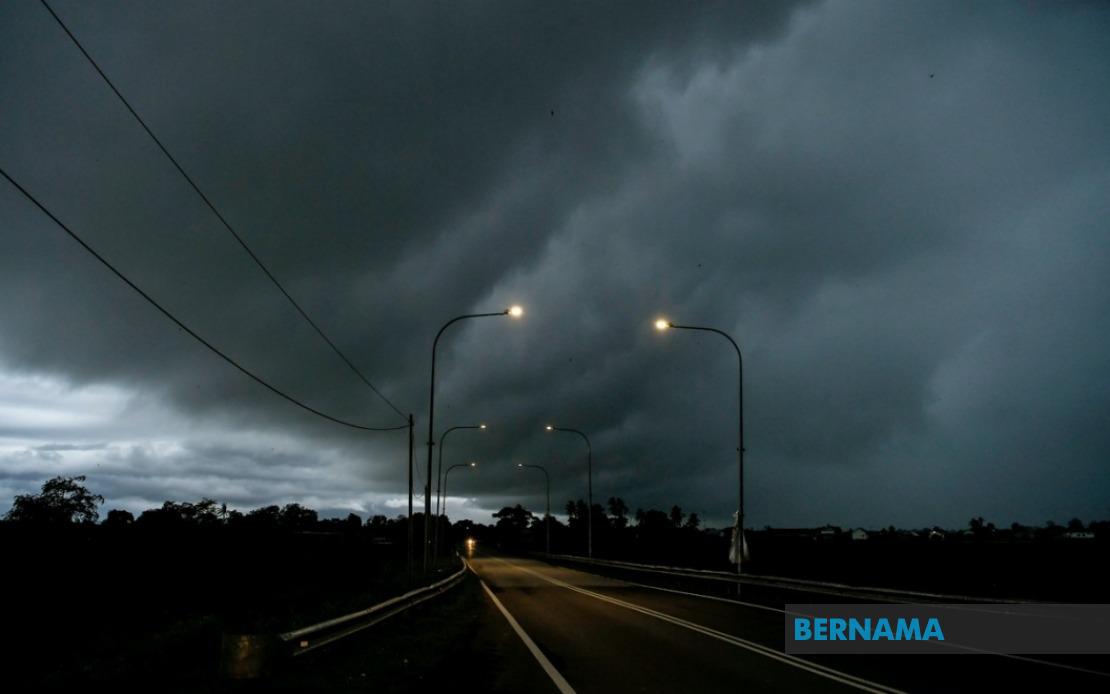
The Malaysian Meteorological Department has cautioned residents across multiple states to prepare for severe weather conditions, with thunderstorms, heavy rain and gusty winds expected to persist until 9 pm. The alert encompasses a significant portion of the country, spanning Peninsular Malaysia as well as both Sarawak and Sabah, potentially affecting millions of people going about their evening routines.
Across Peninsular Malaysia, residents in several Perak districts face the brunt of the incoming weather system. The department specifically identified Larut, Matang and Selama, along with Kuala Kangsar and Kinta, as zones where conditions will deteriorate. These areas, which include major urban centres and surrounding municipalities, may experience disrupted traffic flows and visibility challenges during peak evening hours.
Kelantan's east coast regions of Jeli, Kuala Krai and Gua Musang have also been flagged as vulnerable zones. Neighbouring Terengganu's Kemaman district rounds out the northern tier of affected areas, while Pahang's interior regions of Lipis and Jerantut complete the east coast exposure. Johor, Malaysia's southern anchor, sees three districts in the firing line: Kulai, Kota Tinggi and the state capital Johor Bahru, suggesting the weather system has considerable geographical reach.
Sarawak's coverage under the warning demonstrates how extensive this weather pattern has become. The warnings encompass Kuching and Samarahan in the south-west, while Kanowit in the Sibu division and Tatau and Sebauh in Bintulu face similar threats. Limbang's Lawas district in the far north completes Sarawak's affected roster, indicating the system is sweeping across the entire state.
Sabah's Interior division and its more heavily populated Sandakan division both feature in the alert. Sipitang in the Interior is expected to experience the full force of thunderstorms and strong winds, while the Sandakan division's Telupid, Kinabatangan, Beluran and Sandakan proper face concurrent weather challenges. This dual coverage means Sabah's agricultural heartland and coastal communities alike must brace for impact.
The convergence of thunderstorms and heavy rain in this many locations simultaneously underscores the scale of the weather system moving through Malaysian airspace. Such widespread warnings typically indicate a significant atmospheric disturbance capable of generating localised flooding in low-lying areas and causing temporary disruptions to transport networks. Evening commuters and those planning outdoor activities should factor in delays and exercise heightened caution.
For businesses and essential services, the timing through 9 pm means most commercial operations will feel the effects during their closing hours, potentially complicating end-of-day logistics. Public transport operators may need to implement contingency measures, and utilities should be on standby for any weather-related incidents. Schools and offices that might remain open through early evening should prepare their facilities for potential water ingress and ensure emergency protocols are at hand.
Residents in these seven states would be wise to secure loose outdoor items, avoid flooded areas, and stay tuned to MetMalaysia's updates for any extensions or escalations of the warning. The department's precision in naming specific districts rather than blanket state-wide warnings suggests operational meteorologists have reasonable confidence in the system's trajectory, though weather patterns can shift unexpectedly.
The geographic spread—encompassing wealthy urban areas like Johor Bahru and Kuching alongside rural interior zones—means this weather event will test preparedness across Malaysia's diverse infrastructure landscape. Wealthier municipalities with established drainage systems may weather the storm relatively smoothly, while smaller towns and kampung areas might face more acute challenges if rainfall intensity exceeds local drainage capacity. Coordination between state and federal disaster management agencies could prove crucial if the situation deteriorates beyond current forecasts.
For the broader Southeast Asian region, this Malaysian weather event reflects the dynamic tropical systems that regularly sweep through the equatorial zone during monsoon transitions. Understanding and preparing for such events remains essential for a nation where rapid-onset weather can significantly disrupt daily life and commerce. MetMalaysia's detailed geographical breakdown of the warning provides residents with actionable intelligence to implement appropriate precautions before conditions worsen this evening.

