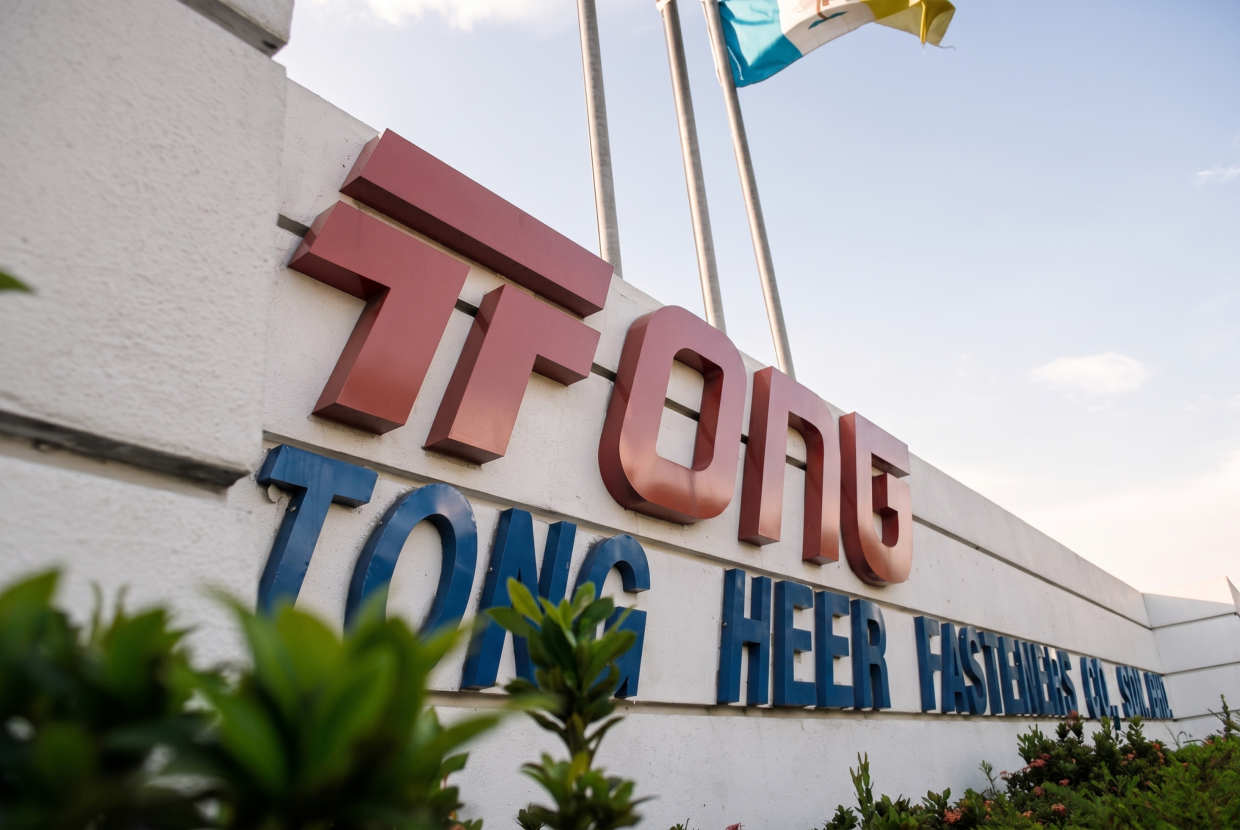
Controlling shareholders of Tong Herr have initiated a formal privatisation proposal, seeking to delist the fastener and aluminium extrusion manufacturer from Bursa Malaysia at RM2.55 per share. The offer price delivers a substantial 34.2% uplift from the company's previous close of RM1.90, according to regulatory filings lodged with the exchange. The move reflects growing frustration among major stakeholders with the company's minimal market visibility and trading activity, despite its established position in specialised manufacturing.
The privatisation push comes from Allrich Corp and Richard Holdings Ltd, which respectively control 39.68% and 31.95% of Tong Herr's equity. When combined with their joint ultimate offerors and persons acting in concert, these entities command approximately 114.38 million shares, equating to roughly three-quarters of the company's issued capital. This substantial shareholding concentration underscores the degree of control these investors already wield and suggests the proposal enjoys sufficient backing to overcome most shareholder hurdles, though formal approvals remain necessary.
The proposed mechanism for delisting involves a selective capital reduction coupled with a repayment exercise, a structure increasingly favoured in Malaysian M&A circles as an efficient alternative to full-fledged acquisitions. Notably, the RM2.55 valuation reflects analysis extending to 5 August 2026, incorporating both closing prices and volume-weighted average pricing methodology. Relative to the RM1.80 close recorded on that specific date, the offer represents an even more compelling 41.7% premium, suggesting the proponents have conducted thorough valuation work to support their proposal.
Tong Herr's persistent illiquidity forms the commercial bedrock of the privatisation case. Over the preceding three-year period, the company averaged only 21,075 shares in daily trading volume, a vanishingly small figure representing merely 0.05% of the free float available for public trading. This anaemic trading pattern reflects the reality that many micro-cap Malaysian stocks, particularly those in niche manufacturing sectors, struggle to attract institutional or retail investor attention once initial public offerings conclude. The lack of meaningful market activity creates practical difficulties for shareholders wishing to sell holdings and deprives the company of the visibility typically associated with listed status.
The offerors contend that privatisation would unlock strategic benefits that the company's current listed structure inhibits. Operating outside the regulatory and disclosure framework that accompanies public company status would allow management to pursue long-term growth initiatives without the quarterly earnings pressures and administrative burdens inherent to maintaining a Main Market listing. The costs associated with regulatory compliance, continuous disclosure obligations, audit fees, and investor relations activities would be eliminated, freeing capital and management attention for core business development.
For shareholders, the proposal ostensibly provides an orderly exit mechanism from an investment that offers limited liquidity. The alternative for minority shareholders has historically meant holding illiquid stock with minimal trading opportunities or accepting significant discounts when seeking to sell through private negotiations. The privatisation offer theoretically gives all non-controlling shareholders an opportunity to realise their investments at a market-derived price, though the control exerted by major shareholders over the timing and terms inevitably influences the calculus.
The selective capital reduction mechanism requires clearing multiple approval hurdles that reflect Malaysian regulatory safeguards for minority shareholders. Non-interested shareholders must approve the scheme through a special resolution at an extraordinary general meeting, requiring support from a simple majority in numerical terms but 75% in value of votes cast by non-interested parties. Critically, the proposal cannot proceed if more than 10% in value of non-interested shareholders' votes are cast against it, a threshold designed to prevent coercive privatisation schemes that lack meaningful minority support.
Subsequent High Court confirmation constitutes an additional protective layer, ensuring judicial scrutiny of the fairness and commercial reasonableness of the proposed terms. The courts examine whether the offerors have acted in good faith and whether the offer price falls within a defensible range relative to intrinsic value. This multi-layered approval architecture reflects lessons learned from earlier privatisation disputes and attempts to balance the rights of controlling shareholders to reorganise corporate structures with protection against exploitation of minority investors.
Tong Herr's non-interested directors now face the task of carefully evaluating the proposal and determining whether to recommend acceptance or rejection to the broader shareholder base. This stance requires genuine independence and a willingness to engage specialist advisors—typically including independent valuers and financial advisors—to verify that the offered price represents fair value. Director deliberations in contested privatisation scenarios often extend over weeks or months as independent parties conduct due diligence and prepare advice to the board.
The broader context illuminates why Malaysian companies operating in specialised manufacturing sectors frequently seek delisting once ownership consolidates. Tong Herr's focus on stainless steel fasteners and aluminium extrusions serves primarily business-to-business customers in construction, automotive, and engineering sectors rather than consumer markets. Such companies derive minimal marketing advantage from public listing and face high compliance costs relative to enterprise value. The company's manufacturing footprint and customer relationships constitute far more valuable assets than stock market presence.
For Malaysian capital markets, the privatisation proposal underscores persistent challenges with smaller-cap equity listings that lose momentum post-IPO. Inadequate analyst coverage, minimal institutional interest, and structural illiquidity plague numerous exchange-listed companies, rendering public status more burden than benefit. Rather than serving as vehicles for capital formation and investor opportunity, such listings become administrative anchors on management. The regulatory framework increasingly accommodates orderly delisting by established, profitable companies rather than forcing unwilling companies to maintain costly public status.
Shareholder response will likely vary according to individual circumstances and investment horizons. Long-term holders frustrated by illiquidity may view the offer as a welcome opportunity to realise capital. More recent purchasers who acquired shares at higher prices might harbour reservations about the valuation, though the 34% premium to current trading provides substantial reassurance. The extraordinary general meeting announcement and formal documentation will provide the platform for shareholders to examine detailed valuations, independent advisor recommendations, and board positions before casting deciding votes.

