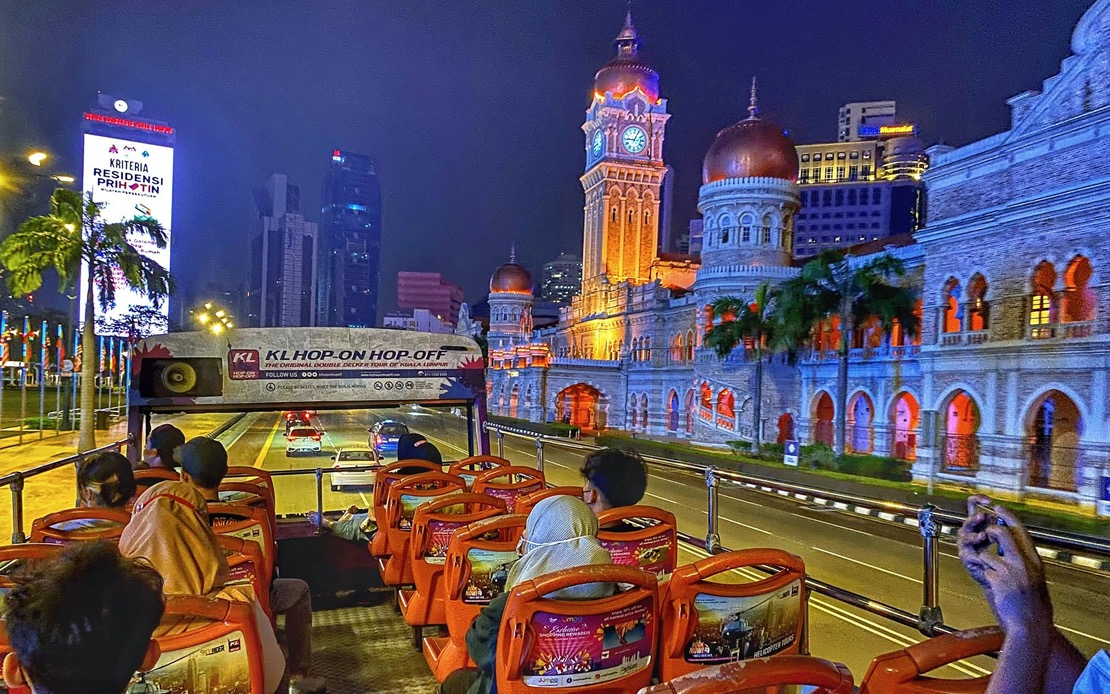
Tourism Malaysia and transport operator Elang Wah Sdn Bhd have joined forces to launch a fresh domestic tourism initiative, deploying six specially wrapped KL Hop-On Hop-Off buses as mobile promotional vehicles across Kuala Lumpur. The campaign, unveiled on June 24, forms part of broader preparations for Visit Malaysia 2026, a year-long tourism drive designed to elevate Malaysia's profile as a regional travel destination. The collaboration represents a strategic effort to harness the visibility and reach of the iconic sightseeing buses, which carry thousands of both local and international passengers through the capital daily.
According to Minister of Tourism, Arts and Culture Datuk Seri Tiong King Sing, domestic tourism continues to serve as a cornerstone of Malaysia's tourism economy, delivering substantial benefits beyond mere visitor numbers. Speaking at the campaign launch, Tiong emphasised that local travel generates meaningful economic multipliers through employment creation, community engagement, and the development of tourism infrastructure that serves both domestic and international guests. He framed the KL Hop-On Hop-Off partnership as exemplifying the government's commitment to encouraging Malaysians to rediscover and appreciate the diverse cultural, natural, and historical attractions within their own country, while simultaneously raising the standard of tourism offerings that will be showcased internationally during the VM2026 period.
The initiative's creative centrepiece involves vehicle wraps that highlight major tourism landmarks and destinations spanning 15 states and federal territories throughout Malaysia. The selected attractions encompass both well-established icons and emerging destinations, ranging from the architectural significance of the Sri Sendayan Mosque in Negeri Sembilan to the geological wonder of the Pinnacles of Mulu in Sarawak. By rotating these destinations across the six buses, the campaign ensures sustained visibility for Malaysia's diverse regional tourism products, allowing commuters and urban residents to encounter promotional content regularly during their daily movements through the city.
Beyond traditional advertising, the campaign integrates modern digital engagement tools through interactive QR codes embedded within each bus wrap. These codes serve as gateways connecting passengers and pedestrians directly to curated travel experiences, allowing seamless access to discounted packages and special offers available through the VM2026 initiative. The codes also direct users to the official Calendar of Events, a comprehensive listing of cultural festivals, conferences, sporting events, and other gatherings scheduled throughout Malaysia during the promotional year, as well as dedicated state tourism websites offering granular information about regional attractions and services.
The timing of this domestic campaign follows encouraging momentum in Malaysia's domestic tourism sector, which has demonstrated robust growth in recent years. In 2025, the domestic segment recorded a 21.3 per cent increase in visitor numbers, attracting 290.1 million domestic trips compared with 260.1 million recorded in 2024. This expansion reflects both growing consumer confidence in leisure travel and the successful recovery of the sector following previous pandemic-related disruptions. The volume of domestic visits now substantially exceeds pre-2019 levels, indicating that Malaysians have embraced domestic exploration as a regular leisure activity rather than a temporary substitute during international travel restrictions.
Financial performance metrics further underscore the economic importance of domestic tourism. Total expenditure by domestic travellers grew by 13.3 per cent to reach RM121.0 billion in 2025, up from RM106.7 billion in 2024. This represents not merely increased visitor frequency but greater per-capita spending, suggesting that domestic tourists are extending their trips, upgrading accommodation choices, and investing more substantially in dining and entertainment experiences. For Malaysian hospitality businesses, restaurants, and regional attractions, this trend has translated into sustained revenue growth and expanded opportunities for service expansion.
The domestic tourism surge carries particular significance for Visit Malaysia 2026, as the programme aims to leverage this internal demand momentum while simultaneously attracting international visitors. A population actively engaged with and enthusiastic about local destinations creates a more vibrant tourism ecosystem, with well-maintained attractions, enhanced service standards, and authentic cultural experiences that appeal to foreign travellers. Furthermore, the economic benefits generated by domestic tourism directly support the infrastructure, skilled workforce, and business networks that facilitate successful international tourism promotion.
For Malaysia's tourism industry, the KL Hop-On Hop-Off campaign demonstrates how partnerships between government agencies and private operators can amplify reach and engagement without substantial public expenditure. The buses function as advertisement platforms reaching millions of daily observers, while the integration of digital marketing tools reflects contemporary consumer expectations for seamless information access and mobile-first engagement. This approach has proven effective in other regions, where public transport advertising campaigns have successfully influenced travel decisions and promotional awareness.
From a Southeast Asian perspective, Malaysia's emphasis on domestic tourism strengthens regional tourism competitiveness. As neighbouring countries also compete for regional leisure spending, promoting domestic travel keeps tourism revenue circulating within national economies and builds the product quality necessary to attract international visitors. The Visit Malaysia 2026 campaign, supported by initiatives like the KL Hop-On Hop-Off promotion, positions Malaysia as a country actively investing in tourism development and consumer engagement, potentially influencing both regional traveller preferences and international perceptions of Malaysia as a tourism destination.

