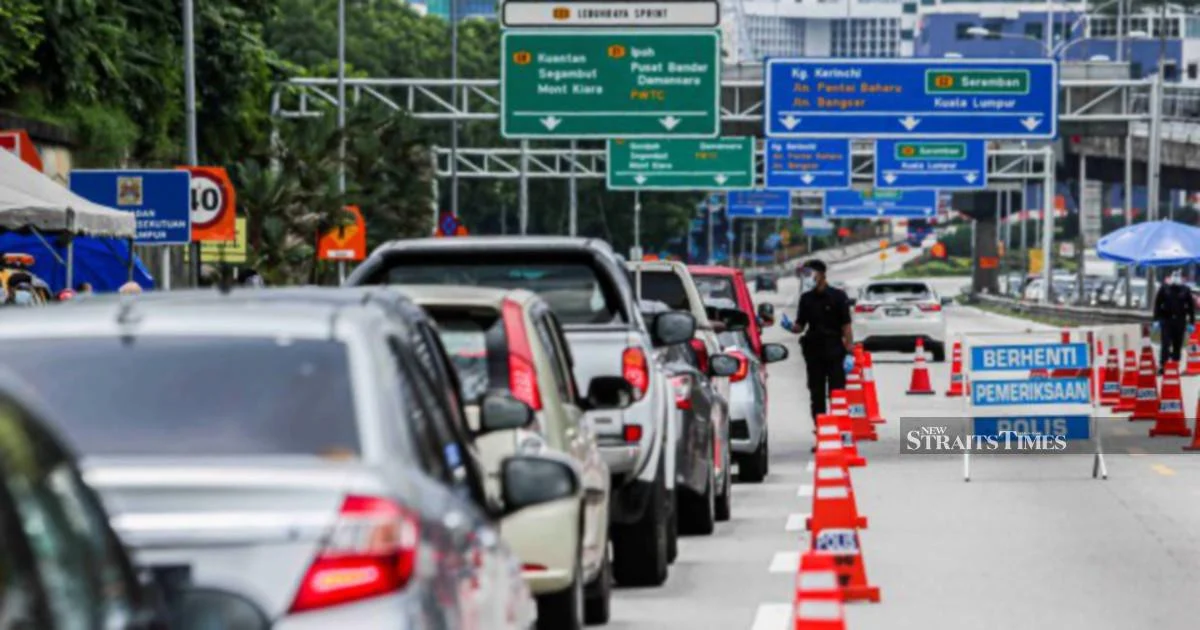
Malaysia is on track to significantly strengthen its traffic enforcement regime through proposed amendments that would lift maximum penalty compounds across more than 700 distinct road traffic violations to RM500. The changes, which require parliamentary passage, target the Road Transport Act 1987 (Act 333) and represent one of the most comprehensive penalty overhauls in years. Authorities view the increase as essential to enhance road safety and create stronger deterrents against repeat offenders.
The current compound structure for traffic violations has remained largely unchanged for decades, with many offences carrying significantly lower penalty levels that critics argue have become insufficient to discourage violations. The proposed RM500 ceiling would apply broadly across the violation spectrum, covering everything from minor infractions to serious traffic breaches. Transport Ministry officials have indicated that this standardised approach simplifies enforcement while creating consistent consequences for motorists nationwide.
Road safety advocates in Malaysia have long pointed to insufficient penalties as a contributing factor in the persistence of dangerous driving behaviour. With Malaysia experiencing some of the region's highest road fatality rates relative to vehicle ownership, policymakers increasingly acknowledge that financial deterrents must align with actual harm prevention objectives. The RM500 level reflects a balance between punitive effect and accessibility, ensuring penalties remain meaningful without becoming economically devastating for ordinary Malaysians.
The timing of these amendments reflects broader momentum toward stricter traffic governance across Southeast Asia. Several neighbouring countries have implemented similar penalty escalations, recognising that commensurate financial consequences reinforce regulatory compliance. The proposed changes also align with Malaysia's Vision Zero ambitions, which seek to eliminate fatalities through comprehensive interventions including enforcement, infrastructure improvements, and public awareness campaigns.
Implementation of higher compounds typically produces measurable behavioural shifts among motorists within the first six months following introduction. Transport enforcement agencies report that offence rates decline particularly sharply when penalties reach thresholds where economically rational actors recalculate risk-reward calculations. The RM500 level is pitched specifically to cross that psychological and financial threshold for most Malaysian drivers across income brackets.
Parliamentary approval remains the critical hurdle before these amendments become law. The legislative process typically allows stakeholders including consumer groups, insurance associations, and road safety organisations opportunities to present positions on penalty levels. Some business associations have previously raised concerns about disproportionate impacts on commercial vehicle operators, whose violation costs would escalate substantially under the new regime. However, transportation industry representatives have generally accepted that safety imperatives outweigh short-term compliance costs.
The Road Transport Act 1987 has undergone periodic amendments reflecting evolving transport conditions and technology integration. Earlier modifications addressed emerging issues including electronic enforcement systems and updated vehicle registration standards. This latest package represents the first comprehensive penalty restructuring in approximately fifteen years, reflecting recognition that previous levels have become outdated relative to inflation and behavioural change objectives.
Compound payment mechanisms will likely remain streamlined through existing systems, with Road Transport Department offices, traffic police booths, and increasingly through digital platforms processing settlements. The expansion to RM500 will test administrative capacity, particularly during implementation phases when confusion about applicable penalty levels may temporarily surge. Training for enforcement personnel will prove critical to consistent application across different state jurisdictions and enforcement agencies.
Beyond immediate financial implications, the penalty increase carries broader significance for accident prevention and insurance landscape recalibration. Higher compounds may subtly influence vehicle insurance pricing as insurers incorporate elevated violation costs into risk models. Repeat offenders will face compounding financial consequences across insurance premiums, driving record impacts, and potential licence suspension risks, creating multi-layered deterrent effects rather than relying solely on compound payments.
Public communications around the new penalties will substantially influence initial acceptance and compliance. Transport authorities plan awareness campaigns highlighting connection between stricter enforcement and reduced fatality rates, framing increases as public health interventions rather than simple revenue-generating measures. Historical precedent suggests that motorists respond more favourably to penalties positioned as safety investments compared to those perceived as government revenue instruments.
Regional implications deserve consideration given Malaysia's role in ASEAN transport governance discussions. Higher penalty levels may influence discussions among neighbour nations about harmonising traffic enforcement standards, particularly regarding cross-border vehicle regulations. The amendments also signal Malaysian commitment to road safety leadership within the region, potentially establishing benchmarks that other developing economies reference when evaluating their own enforcement frameworks.
For Malaysian motorists, the immediate impact depends heavily on individual compliance patterns. Regular, careful drivers will experience no direct effects beyond theoretical deterrent value. However, those frequently receiving compounds for various infractions face substantially elevated annual compliance costs. Commercial transport operators, delivery services, and taxi fleets should anticipate budget adjustments, potentially trickling into service pricing and delivery economics across the broader economy.
The proposed amendments advance through parliamentary channels amid broader regional recognition that traffic death rates constitute critical public health challenges requiring multifaceted governmental responses. Whether penalty increases alone sufficiently address complex driving culture issues remains debated among road safety researchers, yet authorities consider them essential components within comprehensive intervention frameworks combining engineering, enforcement, and education approaches.