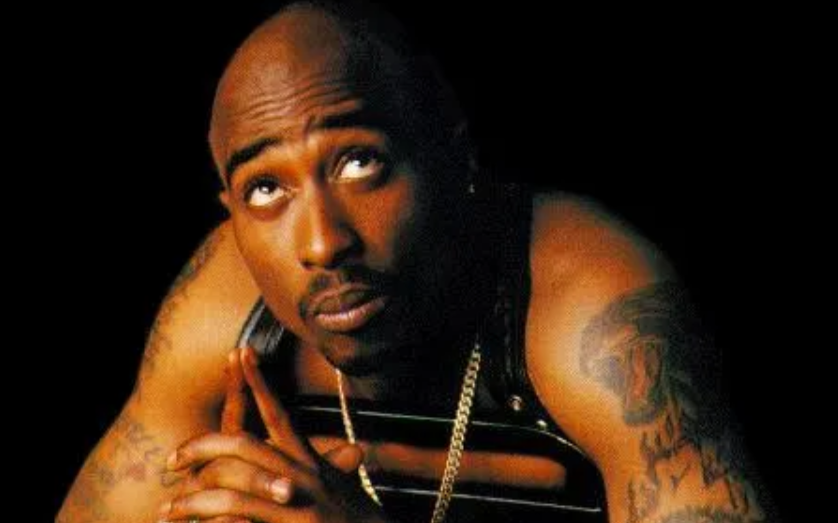
The trial of Duane "Keffe D" Davis, a former South Side Compton Crips leader, has finally entered the courtroom after three decades, bringing renewed scrutiny to the September 7, 1996 shooting that claimed the life of 25-year-old Tupac Shakur in Las Vegas. The case represents one of hip-hop's most enduring mysteries, a murder that transcended the music industry to become embedded in American popular culture and criminal lore. With jury selection beginning on Monday and proceedings expected to stretch across four weeks, prosecutors will attempt to establish that Davis orchestrated the drive-by shooting and supplied the firearm, though they acknowledge significant gaps remain in proving who actually pulled the trigger.
The killing occurred during the height of the East Coast-West Coast hip-hop rivalry, a conflict that shaped the genre's trajectory and left several major artists dead. Shakur was in the Nevada city to attend a Mike Tyson boxing match at the MGM Grand when he and Death Row Records founder Marion "Suge" Knight encountered members of the rival Crips gang at the casino. An altercation ensued, with Knight and Shakur attacking Orlando "Baby Lane" Anderson, Davis's nephew, in what prosecutors characterise as retaliation for an alleged assault on a Death Row employee. This confrontation would set the stage for the lethal consequence that unfolded hours later.
The tension between these two record labels and their respective affiliated gangs provides the institutional context prosecutors argue motivated the murder. Death Row Records, Knight's powerhouse operation, had secured protection from Mob Piru, a Los Angeles gang aligned with the Bloods alliance, while Bad Boy Records—the East Coast label established by Sean "Diddy" Combs and featuring Christopher "The Notorious B.I.G." Wallace—had employed the South Side Compton Crips as security. This arrangement meant that the rivalry between recording companies translated directly into gang conflict, a arrangement that proved catastrophic when violence erupted.
Late that September evening, a white Cadillac pulled alongside Shakur's vehicle as it navigated Las Vegas streets. Gunfire erupted from the Cadillac, fatally wounding the rapper, whose death would remain unsolved for three decades despite widespread public interest and countless theories. The lack of progress in the investigation stemmed partly from witness reluctance, gang culture's code of silence, and the death of those present at the scene. For years, the case appeared destined to remain in the cold case archives, another casualty of hip-hop's violent era.
The breakthrough in the investigation came unexpectedly through Davis's own words. In 2019, the former gang leader published a memoir in which he described sitting in the front seat of the Cadillac and passing a pistol to occupants in the back, admitting his presence at the murder scene and his role in providing the weapon. However, Davis did not identify who fired the fatal shots. These revelations, which aligned with statements he had previously made to reporters and police in a 2008 interview, provided investigators with the foundation to arrest him in September 2023 after remaining a free man for nearly two and a half decades.
Davis's current legal strategy represents a dramatic reversal from his published confessions. Since entering the plea of not guilty, he has disavowed his memoir, claiming in a March 2025 interview with ABC News that his co-author embellished details and fabricated elements to boost sales. He now insists he was in Los Angeles on the night of the shooting, not Las Vegas, and denies any culpability in Shakur's death. "I'm innocent. I ain't killed nobody. Never did ever kill nobody," Davis told the interviewer from his prison cell, challenging prosecutors to produce evidence placing him at the crime scene. His assertion that he never even read the memoirs bearing his name contradicts years of consistent statements and raises questions about credibility that jurors will need to evaluate.
The defence team's pre-trial efforts focused on excluding Davis's memoir and his 2008 police interview from the courtroom proceedings, arguing both should be inadmissible. These legal manoeuvres ultimately failed, meaning jurors will hear Davis's own words describing his presence at the scene and his provision of the murder weapon. The prosecution appears positioned to rely heavily on this self-incriminating testimony, supplemented by circumstantial evidence linking Davis to the killing through his motive and opportunity. The question of who actually fired the shots remains deliberately ambiguous in the prosecution's theory, with all other occupants of the Cadillac now deceased.
Beyond the criminal trial, Shakur's family has pursued accountability through civil litigation. In May 2025, the rapper's stepbrother Maurice Shakur filed a wrongful death lawsuit, asserting that multiple individuals involved in the murder have evaded responsibility for three decades. The suit references documentary evidence compiled in recent television specials, suggesting that the Davis prosecution may not exhaust all avenues for holding accountable those connected to Shakur's death. This parallel civil action indicates that even if the criminal trial concludes, the question of Tupac's murder and broader culpability may continue to generate legal and public scrutiny.
For Malaysian and Southeast Asian readers, the Shakur case illustrates how American gang violence, hip-hop culture, and organised crime intersect in ways that capture global attention. The three-decade delay before prosecution raises concerns about justice system efficacy and the particular vulnerabilities of cases involving gang-affiliated victims and perpetrators. The Davis trial also reflects broader patterns of unsolved murders in the United States, where gang rivalries and witness intimidation frequently impede criminal investigations. The case demonstrates how documents and published memoirs can become crucial evidence years after events, a consideration relevant to investigations anywhere.
The trial's outcome remains genuinely uncertain. Davis's multiple conflicting narratives—from detailed memoir admissions to blanket denials—create an evidentiary puzzle that jurors must navigate. Prosecutors must establish the specific causal chain between Davis's alleged orchestration and Shakur's death, a task complicated by the absence of witnesses willing to testify about who fired the gun. Even if Davis is convicted, those seeking definitive answers about the murder may find the verdict unsatisfying, as the trial may ultimately confirm only Davis's presence and complicity without illuminating the precise mechanism of Shakur's death.

