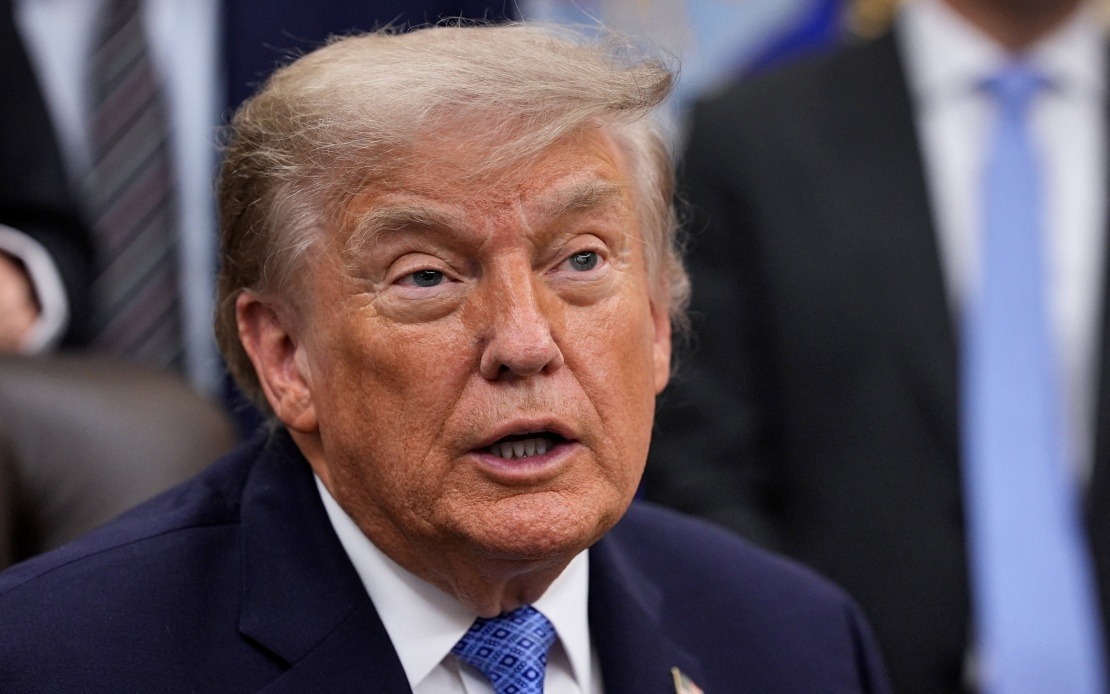
US President Donald Trump announced late Tuesday that he would temporarily suspend a scheduled 50 per cent tariff increase against Canadian goods, giving negotiators a three-day window to finalise what both sides describe as a tentative agreement. The decision to pause the duties, which were set to take effect the following morning, came after intensive talks between the Trump administration and Canadian officials seeking to prevent significant economic disruption along the world's largest bilateral trade relationship.
Trump disclosed the arrangement via his Truth Social platform, stating that the moratorium would remain in place pending completion of formal documentation. The announcement reflected last-minute diplomatic efforts aimed at resolving mounting trade tensions that had threatened to impose substantial costs on both economies. The affected goods represented approximately C$30 billion in annual trade value, making the potential tariff hike a consequential development for Canadian exporters and American importers sourcing goods from north of the border.
A crucial phone conversation between Trump and Canadian Prime Minister Mark Carney on Tuesday paved the way for the temporary reprieve. Carney had been working urgently to broker an understanding that would shield Canadian industries from the proposed duties while addressing American concerns about cross-border trade arrangements. The leadership-level engagement underscored the high political stakes involved, with both governments recognizing that prolonged tariff escalation could damage their broader bilateral relationship and destabilize North American supply chains.
The pause creates a crucial window for diplomats and trade negotiators to bridge remaining differences and translate the framework of a potential agreement into binding legal language. The three-day timeframe is relatively compressed, suggesting that both capitals have made substantial progress on core issues and now face the technical work of finalizing contractual terms. Success would require rapid coordination across multiple government agencies responsible for different trade portfolios and sectoral concerns.
Trump's statement included a suggestive reference to the Keystone XL pipeline, the major cross-border energy infrastructure project that would transport crude oil from Alberta to refineries in the American Midwest and Gulf Coast. The Biden administration cancelled the project in 2021, citing climate and environmental concerns. Trump's invocation of the pipeline indicates that energy infrastructure may form part of a broader bilateral negotiating package, potentially linking trade issues with long-stalled energy cooperation ambitions that Canadian producers have championed for over a decade.
The tariff dispute emerged from Trump's broader protectionist trade agenda, which has targeted multiple trading partners including China, Mexico, and the European Union. The Canadian tariffs were distinct in character from these other trade actions, reflecting specific concerns about the operations of the integrated North American auto sector and agricultural trade patterns. Canada's decision to retaliate against earlier American tariff increases had further escalated tensions and created pressure on both governments to seek resolution.
From a Malaysian and Southeast Asian perspective, this North American trade dispute carries indirect but meaningful implications. Many regional manufacturers and exporters supply components and raw materials into North American supply chains, meaning that tariff escalation between Canada and the United States could ripple through production networks across Asia. Moreover, the precedent set by how the Trump administration handles trade disputes with a developed democratic ally may signal broader strategies that could affect commerce with Southeast Asian nations.
The tentative agreement also carries implications for the future architecture of North American trade relationships. Whether a deal includes modifications to the United States-Mexico-Canada Agreement, the successor to NAFTA that governs North American commerce, remains unclear. Any substantial revisions to continental trade rules could influence how other trading partners, including those in Southeast Asia, approach negotiations with Washington and calibrate their own trade strategies accordingly.
Canadian industries, particularly those in automobiles, agriculture, energy, and forestry, have braced for the potential impact of the tariffs. A three-month pause would provide temporary relief, though uncertainty about the ultimate outcome could affect investment and hiring decisions as businesses wait for clarity on long-term trade conditions. Similarly, American consumers and manufacturers reliant on Canadian inputs would benefit from the reprieve, avoiding immediate price pressures that a tariff increase would have generated.
The success or failure of negotiations over the coming seventy-two hours will depend on whether both governments can achieve sufficient flexibility on contentious issues while maintaining support from domestic constituencies with competing interests. Trade unions concerned about job displacement, resource extraction companies seeking market access, and agricultural exporters all hold stakes in the outcome. The compressed timeline reflects political calculation that rapid resolution serves both Washington and Ottawa's interests better than prolonged uncertainty.
Trump's willingness to pause suggests that American negotiators believe sufficient progress has been made to warrant extended discussions rather than implementing punitive tariffs. The administration's track record on trade negotiations, however, indicates that last-minute reversals and rhetorical escalation remain possible even when preliminary agreements appear imminent. Canadian and American officials will be working against the clock to ensure that a framework agreement can be finalized before the three-day pause expires, avoiding the need for further extensions or a return to confrontational tariff implementation.

