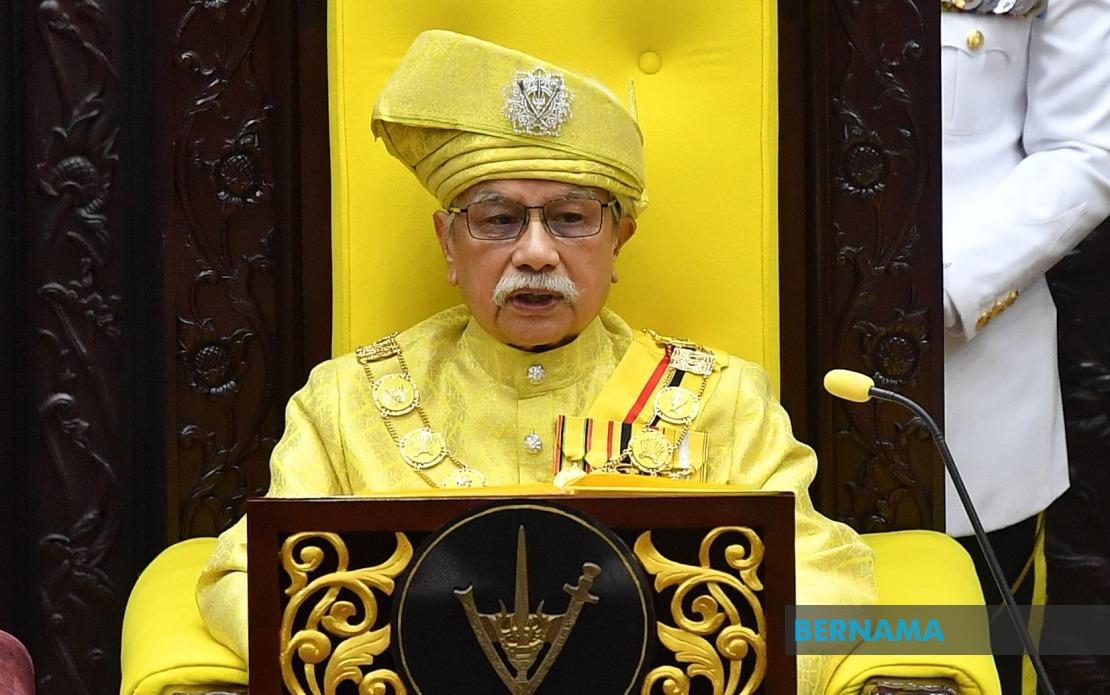
The Yang Dipertuan Besar of Negeri Sembilan, Tuanku Muhriz Tuanku Munawir, has consented to conduct a formal royal audience ceremony at Istana Besar Seri Menanti this Saturday to recognise the installation of Hassan Ab Hamid as the 22nd Undang of Luak Rembau. The royal approval was announced by Tunku Besar Seri Menanti, Tunku Ali Redhauddin Tuanku Muhriz, during discussions with the Datuk-Datuk Adat of Rembau at the palace on June 25.
The selection of Hassan Ab Hamid, 67, follows the established customary procedures that have governed leadership appointments in Rembau for generations. According to Datuk Juan Datuk Zulkipli Shamsudin, chairman of the Kerapatan Buapak Delapan ceremony for the Biduanda Nan Dua Carak customary clan, the choice reflects the community's adherence to traditional adat protocols. This succession marks a significant milestone for Rembau following the death of the previous Undang, Datuk Lela Maharaja Datuk Muhamad Sharip Othman, who passed away on May 15, 2024, at the age of 83.
The formal ceremony scheduled for this weekend, known as Istiadat Menghadap Menjunjung Duli Bagi Menyempurnakan Kejadian Undang Luak Rembau, represents a crucial constitutional moment in Negeri Sembilan's governance structure. The event will include representatives of the luak presenting their selection to the Yang Dipertuan Besar, who will formally acknowledge and provide royal recognition to the decision reached through customary processes. This ceremonial approach underscores the distinction between the hereditary monarchy's role and the community-driven mechanisms embedded within the Adat Perpatih system.
Understanding the precise constitutional relationship between the Yang Dipertuan Besar and the Undang institution is essential for appreciating how Negeri Sembilan maintains its unique governance framework. Datuk Zulkipli emphasised that the Undang is neither appointed nor selected by the ruler acting in isolation. Rather, the head of state fulfils a ceremonial and ratificatory function, receiving delegations from the luak and granting formal consent when adat procedures have been properly observed. This distinction highlights how the Adat Perpatih system preserves community agency while maintaining the constitutional authority of the monarchy.
The Adat Perpatih framework, which governs social structures and succession in several matrilineal communities across Negeri Sembilan, operates according to principles developed over centuries of practice and refinement. Unlike systems where leadership emerges from hierarchical appointment, the adat emphasises collective determination and customary validation. An Undang's legitimacy derives not from royal decree but from recognition by the traditional community structures and subsequent formal acknowledgement by the ruler. This model reflects indigenous Malaysian governance traditions that predate modern state formation and continue to influence constitutional arrangements in contemporary Negeri Sembilan.
The role of the Orang Empat Istana, or the palace's administrative representatives, will extend to coordinating practical arrangements for Saturday's ceremony with the adat leaders of Rembau. These discussions will address ceremonial protocols, guest arrangements, and procedural matters to ensure the installation proceeds with the dignity and precision expected of significant state occasions. The involvement of palace officials alongside adat authorities demonstrates the collaborative relationship necessary to bridge formal state structures and customary institutions.
For Malaysian observers and Southeast Asian scholars, this succession process illustrates how postcolonial nations can accommodate multiple sources of authority and legitimacy within constitutional frameworks. Negeri Sembilan's arrangement represents a pragmatic accommodation between Westminster-influenced state structures and indigenous governance systems, permitting both to function with mutual recognition. The Yang Dipertuan Besar's consent role validates the community's choice while maintaining the monarchy's constitutional position, creating a balanced arrangement that has endured across Malaysia's postindependence period.
The timing of this installation assumes broader significance given regional discussions about preserving indigenous governance systems and cultural heritage amid modernisation pressures. Rembau's approach to leadership succession through adat procedures demonstrates that communities can maintain customary decision-making processes while operating within contemporary constitutional contexts. This model offers potential insights for other Malaysian states and Southeast Asian jurisdictions considering how to integrate traditional authority structures with modern governance demands.
Hassan Ab Hamid's assumption of the Undang position represents continuity in Rembau's institutional life following a substantial gap since the previous office-holder's passing. His selection through established adat mechanisms indicates the community's confidence in the customary procedures and the legitimacy of his leadership. The formal recognition ceremony planned for Saturday will mark the transition from customary selection to constitutional acknowledgement, completing a process that respects both community values and state protocol.
The broader constitutional significance of this installation ceremony extends beyond Rembau itself, offering insights into how Negeri Sembilan maintains plural governance structures. The Yang Dipertuan Besar's consent to the ceremony, conveyed through the Tunku Besar Seri Menanti, demonstrates the monarchy's institutional respect for adat processes even as it preserves the ruler's formal role. This arrangement reflects constitutional maturity, permitting diverse sources of authority to coexist and function interdependently within a unified state framework.

