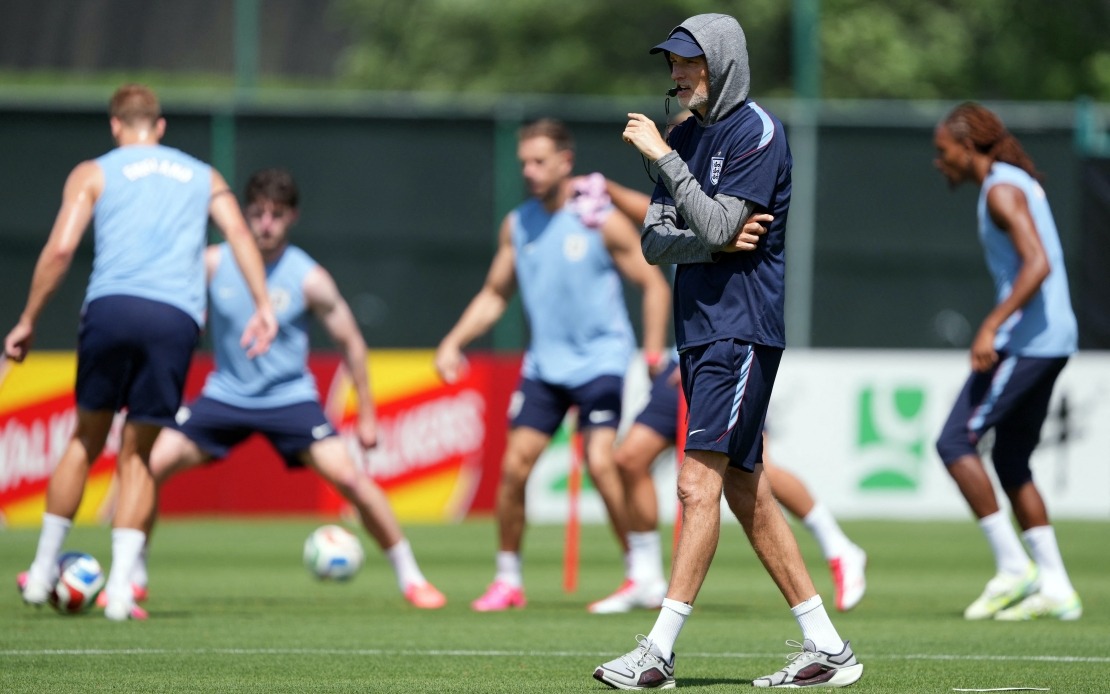
Thomas Tuchel has set an intriguing challenge for England's World Cup knockout encounter with the Democratic Republic of Congo: to deliver a performance that will send young supporters to bed happy, even if the match itself may lack the flowing excitement typically associated with top-level football. The fixture, taking place in Atlanta on Wednesday, represents a significant shift in scheduling from England's earlier tournament matches, with a 5 pm United Kingdom kickoff time replacing the evening and late-night starts that characterised the group stage. This earlier timing opens the door for a generation of young English fans to experience their first match of the competition live, a demographic that would normally be excluded due to late broadcast times in their home time zone.
England's progression through the tournament has coincided with increasingly late kickoff slots. The group stage encounters against Croatia and Ghana both started at 9 pm UK time, while Saturday's victory over Panama began at 10 pm. The switch to an afternoon slot for the knockout round reflects the demands of international tournament scheduling, particularly when matches are held in distant time zones. Yet for Tuchel, this timing represents an opportunity rather than a constraint, offering the chance to create a memorable first experience for younger viewers who would otherwise miss crucial stages of their national team's campaign. The England manager has articulated a clear philosophy about what he wishes to achieve beyond the simple mathematics of securing three points.
Tuchel's comments reveal a manager wrestling with competing demands of the modern football landscape. He acknowledges that entertainment comes in different forms and cannot be reduced to a simple formula of high-tempo, attacking-minded play. Not every team that England will face will embrace free-flowing football, and the Democratic Republic of Congo may well adopt a more pragmatic approach designed to frustrate England's attacking ambitions rather than engage in a spectacle. This tactical reality means that Tuchel cannot guarantee the kind of scintillating football that would make for compelling viewing, yet he remains committed to conveying something more intangible: the spirit, energy, and collective commitment that defines the England team's approach. The manager believes that these qualities, if transmitted effectively through television coverage, can resonate with young audiences even if the match lacks the excitement of an open, attacking contest.
Tuchel's desire to make young supporters proud and happy extends beyond the ninety-minute duration of the match. His understanding that viewers will need to retire early acknowledges the practical constraints facing families with school-age children, yet he positions this as an additional motivation rather than an excuse. The early timing becomes a gift rather than a limitation when viewed through the lens of accessibility and inclusion. By delivering a win that showcases the team's determination and professionalism, regardless of how the match unfolds tactically, Tuchel hopes to instil a sense of pride in the next generation of England supporters.
The manager's philosophy reflects a broader understanding of football's role in society beyond the immediate competitive context. Young fans watching England during major tournaments form crucial memories that shape their lifelong relationship with the sport and their national team. An early kickoff that permits their participation, combined with a convincing performance, carries greater significance than simply advancing in the tournament. It represents an investment in the future fanbase and demonstrates that the team values the opportunity to inspire the next generation. This perspective suggests a manager who views international football through a lens that extends beyond silverware and tournament progression.
Yet Tuchel remains realistic about the potential for the match to extend beyond conventional ninety minutes. The knockout format means that extra time and penalties lurk as possibilities if the game remains unresolved after regular time. Goalkeeper Jordan Pickford, England's first-choice shot-stopper, has publicly declared readiness for any eventuality that the match might present. The preparation for penalty shootouts represents a crucial component of knockout stage readiness, and Pickford's statement reflects the systematic approach England has adopted throughout the tournament. The training regime has specifically addressed scenarios beyond the conventional match duration, ensuring that if the game stretches into the additional thirty minutes or culminates in a penalty shootout, the squad will be adequately prepared.
This preparedness carries particular significance given England's history in penalty shootouts at major tournaments. The psychological dimension of knockout football cannot be overstated, particularly when matches reach the dramatic finality of a penalty competition. Pickford's assurance about preparation speaks to a team management structure that has anticipated the full range of scenarios that might materialise during a knockout phase. The confidence he expresses regarding penalties indicates that the coaching staff has invested heavily in this specific skill, recognising its potential importance in determining progression.
The Democratic Republic of Congo presents an opponent whose approach remains somewhat uncertain. As lower-ranked opposition in the tournament structure, they may adopt a defensive stance aimed at frustrating England's attacking play and seeking opportunities on the counter-attack. Such an approach would complicate Tuchel's desire to deliver entertaining football while simultaneously requiring the England team to demonstrate patience and tactical flexibility. The manager's earlier comments about not knowing what Congo will bring reflects the inherent unpredictability of knockout football, where any team can provide a stubborn challenge regardless of perceived quality differentials.
For Malaysian and Southeast Asian observers, this fixture carries broader significance within the context of international football's expanding global reach. The early Atlantic coast timing creates unusual viewing conditions for Asian audiences, though the traditional evening UK start has been replaced by an afternoon slot. England's progression and the manner in which they pursue their objectives continues to shape discourse around football philosophy and the balance between entertainment and tactical pragmatism. Tuchel's explicit desire to engage young supporters also reflects contemporary football management's recognition that connection with domestic audiences, particularly younger demographics, constitutes an essential component of national team success and the sport's long-term health. The evening that follows Wednesday's match in Atlanta will offer insight into whether England can balance tactical demands with the inspirational qualities that define memorable sporting moments.

