The recovery in global travel demand is gaining momentum, with TUI, the world's largest travel conglomerate, reporting that holiday bookings have stabilised after months of volatility triggered by Middle East conflict and severe weather disruptions across Europe. The company's latest financial disclosures indicate a meaningful turnaround in recent weeks, though the recovery remains fragile and uneven across different market segments and destinations.
TUI's performance data presents a mixed picture of the broader travel industry's resilience. While bookings for the summer season remain 6 percentage points below the comparable period last year, the trend has shifted decisively over the past month. The company reported that reservations made in the four weeks preceding its announcement jumped 7% compared to the same timeframe in the prior year, suggesting that consumer confidence in holiday planning has rebounded more sharply than the overall seasonal figures suggest.
However, the financial markets have responded with caution to TUI's results. Share prices declined more than 3% in Frankfurt trading following the announcement, reflecting investor concerns about the sustainability of the recovery and the company's profitability trajectory. Net profit for the most recent quarter reached €124.2 million (RM585.31 million), representing a sharp contraction of 44.7% from the corresponding three-month period in the previous year. This significant decline underscores the lingering financial pressures that the company continues to face despite operational improvements.
The underlying driver of Europe's tourism turbulence has been the persistent conflict in West Asia, which has cascading implications for the travel industry. The hostilities have contributed to elevated jet fuel costs, fundamentally altering airline economics and forcing both carriers and passengers to reconsider their travel arrangements. For TUI, which operates cruise ships, hotels, and airlines across an integrated business model, the fuel price spike has squeezed margins across multiple divisions. The company's decision to repatriate 10,000 travellers in the months following the conflict's escalation, including 5,000 guests stranded on two cruise vessels in the Gulf, demonstrated the acute risks that geopolitical volatility poses to multinational travel operators.
Beyond geopolitical concerns, Europe's tourism sector has been battered by natural disasters and climate extremes. Severe heatwaves have gripped Spain, France, Portugal, and Greece, while concurrent wildfires have ravaged parts of the Mediterranean region and beyond. These meteorological extremes have disrupted traditional holiday patterns and forced both operators and travellers to reconsider seasonal travel timelines. TUI's chief executive Sebastian Ebel acknowledged the potential disruption but cautioned against drawing premature conclusions, noting that cooler weather in many of the company's key operating territories outside the Mediterranean region has shielded bookings from weather-related cancellations.
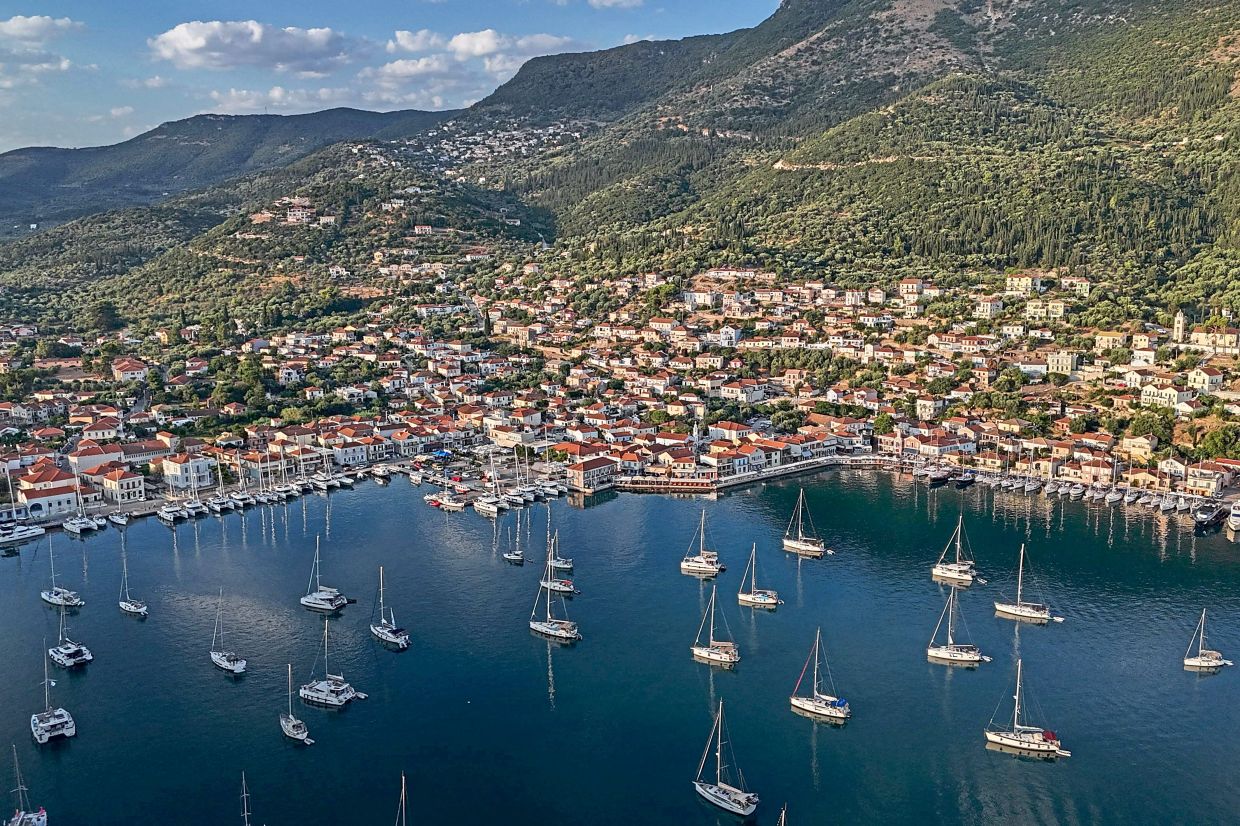
The eastern Mediterranean has emerged as a particular bright spot in TUI's recovery narrative. The company has observed renewed traveller interest in destinations throughout the region as holidaymakers who had postponed trips during months of elevated uncertainty have returned to booking services. This return of demand to a historically significant tourism corridor suggests that once immediate geopolitical anxieties recede, travellers prove willing to resume their planned itineraries in regions they know and prefer, rather than permanently shifting to alternative destinations.
Operational metrics across TUI's hotel portfolio have also improved, though admittedly from depressed levels. Hotel occupancy during the quarter ending in June dropped 3 percentage points, representing a meaningful improvement from the 6 percentage point decline recorded during the preceding six-month period. This trajectory indicates that both the acute disruptions of the conflict and the lingering customer hesitation that followed are gradually dissipating, allowing the company's accommodation businesses to operate with greater utilisation of their room inventories.
Ebel's characterisation of the current environment as one in which "business is coming back, it's normalising" reflects cautious optimism about the near-term outlook, though the substantial decline in quarterly profitability provides a counterbalance to such upbeat rhetoric. The executive specifically highlighted that the company has experienced "strong weeks" recently, indicating that the momentum in bookings is more than a temporary statistical anomaly. Nevertheless, the 44.7 percent contraction in net profit relative to the prior year quarter reveals the structural damage inflicted by the combination of elevated fuel costs, reduced customer demand, and the substantial costs associated with emergency repatriations and operational disruptions.
Climate considerations may present a paradoxical opportunity for TUI and other travel operators in coming seasons. Ebel suggested that the hotter summers experienced in traditional European source markets like Germany could actually shift demand patterns, with more travellers seeking cooler destinations during peak summer months and instead spreading their holidays across shoulder seasons in spring and autumn. This potential shift in seasonal demand patterns, if it materialises, could provide TUI with opportunities to better balance utilisation across the calendar year and reduce the inherent volatility of a heavily summer-skewed business model.
The company's April profit warning, issued just weeks after it had been forced to undertake the large-scale evacuation of stranded customers, marked the nadir of the crisis period for TUI's stakeholders. The subsequent stabilisation and now apparent recovery in bookings suggests that the travel industry has begun to compartmentalise the Middle East conflict rather than allowing it to suppress all discretionary travel decisions indefinitely. This suggests that while geopolitical risk remains a permanent feature of the travel landscape, it need not paralyse the entire sector provided that the acute crisis does not expand dramatically.
For Malaysian and Southeast Asian travellers, TUI's recovery signals that European holidays remain accessible and reasonably available despite recent turbulence. The company's integrated model, combining airlines, cruise operators, and hotel chains, means that its operational normalisation suggests pricing and availability across the European tourism ecosystem are gradually returning to sustainable levels. The improvement in eastern Mediterranean bookings is particularly relevant for regional travellers who have historically favoured Mediterranean destinations for extended holidays.

