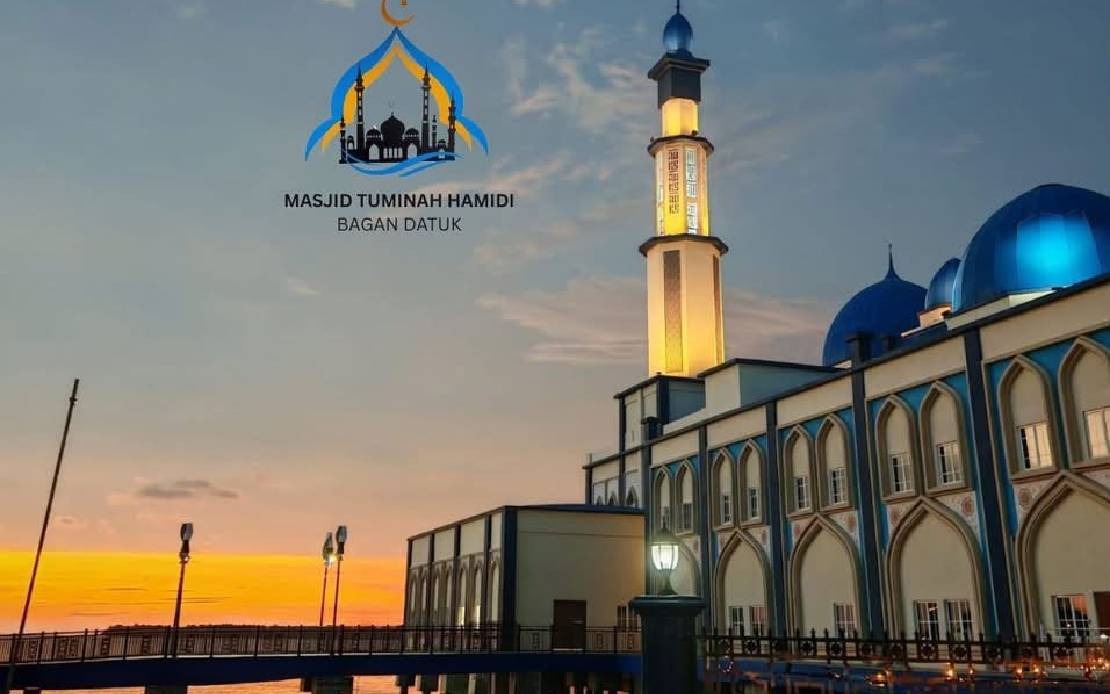
Malaysia is set to mark a significant moment in faith-based tourism with the launch of its inaugural National Mosque Open Day at Tuminah Hamidi Mosque in Bagan Datuk, scheduled for August 13 to 15. The three-day celebration, organised by the Islamic Tourism Centre (ITC) under the Ministry of Tourism, Arts and Culture (MOTAC), represents a deliberate shift in how the nation presents its religious heritage to the broader public. By welcoming visitors of all races, religions and nationalities to explore a mosque beyond its traditional worship function, Malaysia is positioning itself as a forward-thinking destination that values interfaith understanding and cultural dialogue.
The inaugural event carries particular significance given Malaysia's strategic push to strengthen its credentials as a leading Muslim-friendly tourism destination in Southeast Asia. While the country has long offered religious and cultural experiences, formalising National Mosque Open Day as an annual celebration signals a coordinated government effort to integrate Islamic heritage into the mainstream tourism narrative. This approach contrasts with more insular interpretations of religious spaces and instead emphasises mosques as public institutions that serve educational, social and community functions beyond daily prayer schedules.
The programme's structure demonstrates careful curation to appeal to diverse visitor profiles. The opening day on August 13 focuses on spiritual enrichment, featuring performances by the Nur Ahli Badar Qasidah group and religious discourse from Ustaz Habib Ali Zaenal Abidin Alhamid and Ustaz Habib Najmuddin Othman Alkhered. This introductory phase establishes the mosque's role as a site of learning and contemplation, setting the tone for visitors unfamiliar with Islamic traditions. The sermons serve to contextualise Islamic values within the framework of community and shared humanity, making the content accessible to non-Muslim participants seeking genuine insight rather than superficial tourism.
The centrepiece of the celebration unfolds on August 15 at Dataran Bagan Datuk, where organisers have orchestrated a comprehensive festival blending recreation, competition and cultural immersion. The morning begins with a guided brisk walk featuring television personality Bell Ngasri, an ice-breaker activity that encourages physical participation and informal community mixing. The subsequent programming acknowledges Malaysia's diverse leisure interests: a 3x3 street soccer tournament caters to sports enthusiasts, e-sports competitions engage younger demographics, archery provides hands-on cultural experience, while khat demonstrations and azan competitions offer deeper dives into Islamic artistic and vocal traditions.
The inclusion of family-oriented programming reflects recognition that cultural engagement succeeds when it spans age groups. Children's colouring contests lower barriers to participation for the youngest visitors, while simultaneous mosque exploration allows parents and guardians to engage at their own pace. This intergenerational approach proves particularly valuable in Malaysian context, where family outings constitute significant leisure patterns and where multigenerational households often make joint decisions about weekend activities.
Entertainment elements woven throughout the festival—appearances by personalities Aril Pilus and Elly Mazlein, live performances, exhibitor presentations and cultural showcases—maintain visitor momentum and prevent the event from becoming didactic or burdensome. Lucky draws add an element of chance participation, typical of Malaysian public events, while the staged performances and demonstrations create photo opportunities and shareable moments that extend the event's reach through social media amplification.
Deputy Prime Minister Datuk Seri Dr Ahmad Zahid Hamidi's scheduled presence as official launcher underscores the government's institutional commitment to this initiative. His participation signals that interfaith understanding and religious tourism rank among MOTAC's strategic priorities, lending political weight to what might otherwise be perceived as a localised religious event. This high-level endorsement proves particularly relevant for Malaysian tourism operators and international travel agencies seeking assurance about the stability and government support underlying such offerings.
The National Mosque Open Day initiative builds upon ITC's existing monthly mosque open programmes conducted at various locations, suggesting this represents graduation from pilot activities to formalised national-level branding. By consolidating these scattered efforts into a unified national calendar event, ITC creates a signature offering that tourism operators can reliably market and international visitors can plan around. This standardisation paradoxically enhances both accessibility and authenticity—visitors know what to expect, while individual mosques retain autonomy in delivering locally relevant programming.
For Malaysia's Muslim-majority population, the event offers validation of their faith spaces as worthy of public celebration and shared discovery. Rather than relegating Islamic culture to minority or specialist interest categories, National Mosque Open Day positions it as mainstream Malaysian heritage deserving the same tourism infrastructure investment granted to heritage temples or historical fortifications. This symbolic recognition carries weight in multicultural societies where community pride often hinges on institutional acknowledgment of group contributions to national identity.
The initiative also addresses persistent international perceptions of religious segregation in Muslim-majority nations by demonstrating how Islamic institutions proactively embrace pluralism. International media coverage of such inclusive events counters stereotypes and strengthens Malaysia's positioning as a moderate Muslim-majority country, with tangible benefits for the tourism, business and diplomatic sectors. For regional competitors developing Muslim tourism offerings, Malaysia's formalised approach establishes benchmarks that neighbouring destinations may feel compelled to match or exceed.
Practical accessibility proves critical to the event's success. Free admission removes financial barriers, while advance promotion through mymuslimtrip.com, Facebook and Instagram leverages platforms where Malaysian and regional audiences actively consume tourism content. This digital-first marketing approach recognises contemporary travel planning patterns while maintaining reach to less digitally engaged demographics through traditional word-of-mouth and community networks.
The Tuminah Hamidi Mosque location in Bagan Datuk, a town in Perak with established transportation links to major population centres, balances accessibility with authenticity. Bagan Datuk offers sufficient infrastructure to accommodate festival crowds without the overwhelming tourism apparatus that might dilute the experience's genuine community character. This placement suggests careful site selection rather than opportunistic use of high-profile venues.
As Malaysia continues calibrating its tourism strategy post-pandemic, National Mosque Open Day represents investment in experiential and cultural tourism segments with strong growth potential. The event's emphasis on community, learning and shared values transcends typical mosque visitation tourism, instead creating memorable family experiences that generate repeat visitation and positive word-of-mouth recommendations. For Malaysia's tourism sector, such differentiated offerings prove essential in competitive regional markets increasingly saturated with conventional beach and heritage attractions.

