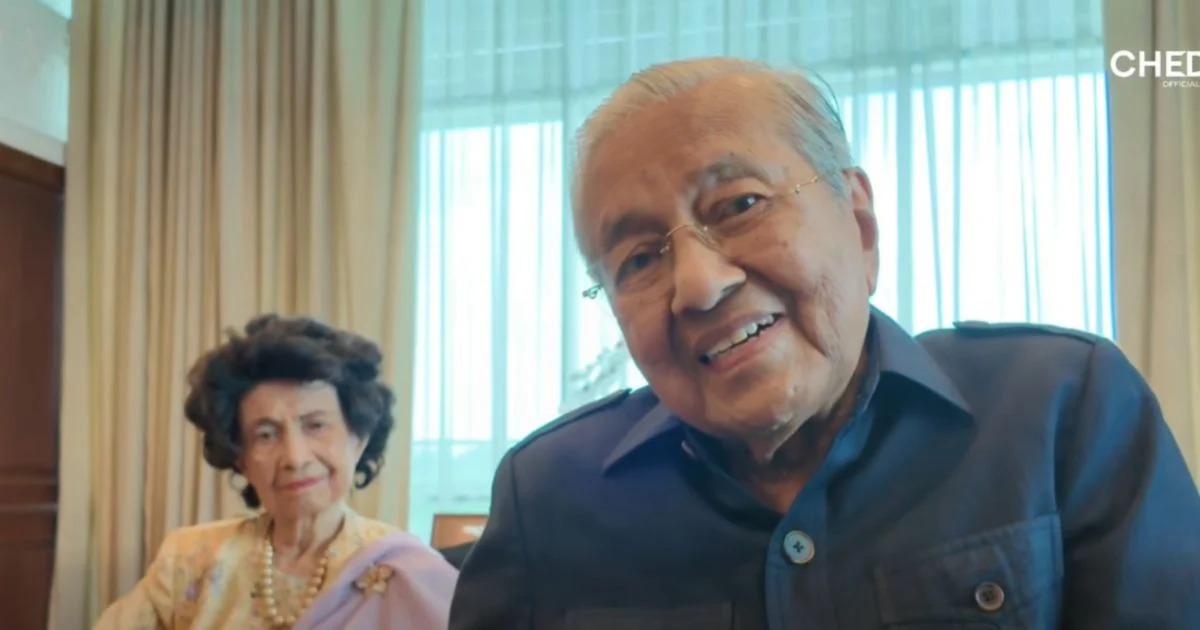
In a message that underscores the enduring connection between the former premier and the Malaysian public, Tun Dr Mahathir Mohamad has expressed heartfelt thanks for the deluge of birthday wishes he received as he crossed into his 101st year. The nonagenarian leader, whose tenure as prime minister spanned two distinct periods over more than two decades, took time to publicly recognise the affection displayed by citizens across the nation through cards, messages, and personal well-wishes that flooded in on the occasion.
The volume of greetings received by the former statesman speaks to the significant place he continues to occupy in Malaysian public consciousness, even decades after stepping down from the highest office. Tun Mahathir's political journey has been marked by decisive governance, modernisation initiatives, and polarising decisions that continue to generate vigorous debate among Malaysians of different generations and political persuasions. Reaching the milestone of 101 years represents not merely a personal achievement in longevity but also a symbolic moment reflecting on a life spent in public service and high-stakes decision-making at the national level.
For many Malaysians, particularly those who came of age during his first term as prime minister from 1981 to 2003, Tun Mahathir's tenure represents a pivotal chapter in the nation's development narrative. His administration oversaw significant industrialisation, infrastructure expansion, and the implementation of the Vision 2020 blueprint that sought to position Malaysia among developed nations by the turn of the century. The Petronas Twin Towers, the Multimedia Super Corridor, and extensive highway networks became emblematic of this development push, reshaping the country's landscape and self-perception. Equally, his leadership style and policy decisions have remained subjects of scholarly analysis and public scrutiny concerning their long-term implications for governance, democratic institutions, and interethnic relations.
The resurgence of Tun Mahathir in formal political circles came later in his life when, at an age most would consider for retirement, he returned to the helm as prime minister in 2018 as part of a coalition government that marked a significant political transition. This second act in his political career, though shorter in duration than his first, demonstrated his continued relevance and the political dynamics of an aging democracy learning to navigate transition moments. His ability to mobilise political forces and participate in contemporary Malaysian politics at such an advanced age has been remarked upon both domestically and in international media circles as unusual and noteworthy.
Beyond his formal political roles, Tun Mahathir has maintained a considerable public profile through commentary on national affairs, media appearances, and continued engagement with political discourse. His willingness to voice opinions on contemporary issues has kept him a relevant figure in Malaysian public debate, whether readers and observers agree with his positions or not. The breadth of his involvement across so many decades of Malaysian political history makes him a living repository of institutional memory and firsthand knowledge of pivotal national moments that younger generations can only read about in history texts.
The reaching of 101 years of age places Tun Mahathir among a rarified group of former leaders globally who have not only survived to advanced age but maintained sufficient public recognition to receive widespread acknowledgement of their birthdays. In Malaysia specifically, where veneration of age and respect for elders form important cultural values, such milestones carry particular significance. The social and cultural appreciation for longevity, especially when combined with a life of prominence and accomplishment, manifests in the kind of collective birthday acknowledgement he has received.
The former premier's acknowledgement of these wishes represents more than mere courtesy; it reflects an understanding that public sentiment matters and that the connection between a national leader and citizens extends beyond the specific policies or controversies of their tenure. In expressing gratitude, Tun Mahathir demonstrates the kind of personal grace that often accompanies individuals who have spent extensive periods in the public eye and understand the nuances of maintaining relationships with their nation and its people.
From a broader perspective, Tun Mahathir's journey to 101 years also invites reflection on Malaysia's own trajectory through the decades he has influenced and witnessed. The nation he helped lead as a young prime minister has transformed economically, demographically, and politically. His continued presence provides a living link between Malaysia's post-independence period and its contemporary reality, allowing citizens to observe how one of the nation's most significant figures ages and remains engaged with national concerns.
As Malaysia continues to grapple with questions about governance, development, and national direction, figures like Tun Mahathir remain focal points for public discourse, whether as examples to emulate or cautionary tales to reflect upon. The birthday wishes received by the former leader ultimately represent how Malaysians, across different viewpoints and generations, continue to acknowledge and engage with their own recent history through the lens of its most prominent personalities and architects.

