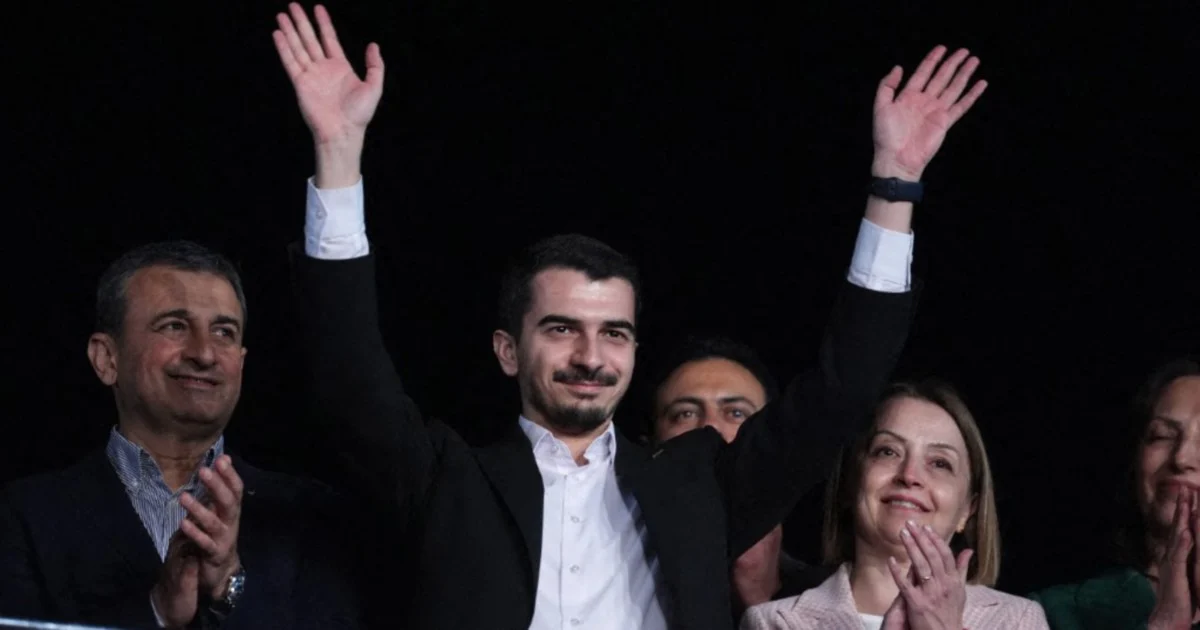
Turkish prosecutors have initiated a significant crackdown on alleged corruption, with the Ankara chief prosecutor's office announcing detention orders for 36 individuals in a wide-ranging investigation that has ensnared municipal officials from opposition-led administration. Among those detained is the mayor of a district under the control of Turkey's main opposition party, signalling that the inquiry extends to senior political figures in Ankara, the nation's capital.
The investigation centres on accusations of bribery and tender manipulation, two persistent challenges that have plagued municipal governance across Turkey and the broader Middle East region. Such procurement irregularities often undermine public trust in government institutions and divert resources intended for essential services toward illicit enrichment schemes. The scale of the detention order—targeting three dozen individuals—suggests prosecutors believe the alleged misconduct was systematic rather than isolated.
The involvement of opposition-aligned officials carries particular significance within Turkey's increasingly polarised political landscape. Since President Recep Tayyip Erdoğan's ruling Justice and Development Party (AKP) consolidated power nearly two decades ago, investigations into opposition figures have frequently generated accusations of political weaponisation of the judiciary. This probe into an opposition-controlled district will likely intensify debate about the independence of Turkey's prosecutorial authorities and their impartiality across party lines.
Ankara, where the investigation is centred, has become a symbolic battleground in Turkish politics. The capital city shifted to opposition control in recent municipal elections, reflecting voter frustration with AKP governance and economic management. Municipal administrations in major cities represent significant administrative and financial resources, making them attractive targets for corrupt schemes and, conversely, objects of intense scrutiny from rival political factions.
Bribery and tender-rigging remain endemic problems across the Turkish public sector. These schemes typically involve awarding lucrative municipal contracts to companies willing to pay kickbacks, purchasing goods and services at inflated prices, or distributing work to favoured contractors regardless of their qualifications. Such practices drain municipal budgets that should support infrastructure, healthcare, and education, ultimately affecting ordinary citizens most severely.
For Southeast Asian observers, Turkey's struggle with institutional corruption and the politicisation of investigations offers instructive parallels. Malaysia and other regional states have similarly grappled with how to balance genuine anti-corruption efforts with perceptions of political targeting. The challenge of maintaining prosecutorial independence whilst investigating political opponents remains acute across the region, particularly when electoral competition intensifies and rival parties compete for power.
The broader context of Turkish governance has been turbulent in recent years. Economic pressures, including inflation and currency volatility, have strained public finances and created incentives for officials to engage in corrupt practices. When municipalities face budget constraints, the temptation for officials to supplement their salaries through informal channels increases, particularly when oversight mechanisms remain weak.
Tenders and procurement processes are especially vulnerable to manipulation because they involve substantial sums and discretionary decision-making. A single major infrastructure project or service contract can involve millions of Turkish lira, making the stakes substantial for both corrupt officials seeking personal gain and for companies competing for lucrative public work. The alleged involvement of multiple individuals suggests a coordinated scheme rather than ad-hoc corruption by individual officials acting independently.
The detention orders represent the prosecutorial phase of the investigation, during which authorities will gather evidence, interrogate suspects, and determine whether sufficient grounds exist to file formal charges. In Turkish legal procedure, detention following judicial orders can extend for several days whilst investigations proceed. The number of detainees suggests a wide net has been cast, encompassing municipal employees, business owners, and possibly intermediaries who facilitated the alleged bribery payments.
As this investigation unfolds, attention will focus on whether it produces concrete evidence of wrongdoing or whether it becomes mired in political controversy. The participation of senior elected officials could escalate political tensions if defendants claim persecution based on their party affiliation. Turkey's recent history demonstrates that corruption investigations involving opposition figures often become flashpoints in broader political conflicts, with ruling and opposition parties offering starkly different interpretations of the same events.
For investors and international observers monitoring Turkish governance, the outcome of this inquiry will signal important messages about institutional accountability. Whether prosecutions proceed on their legal merits, the quality of evidence presented, and the court verdicts will shape perceptions about the reliability of Turkey's judicial system. These perceptions, in turn, influence foreign investment decisions and international confidence in Turkish institutions.

