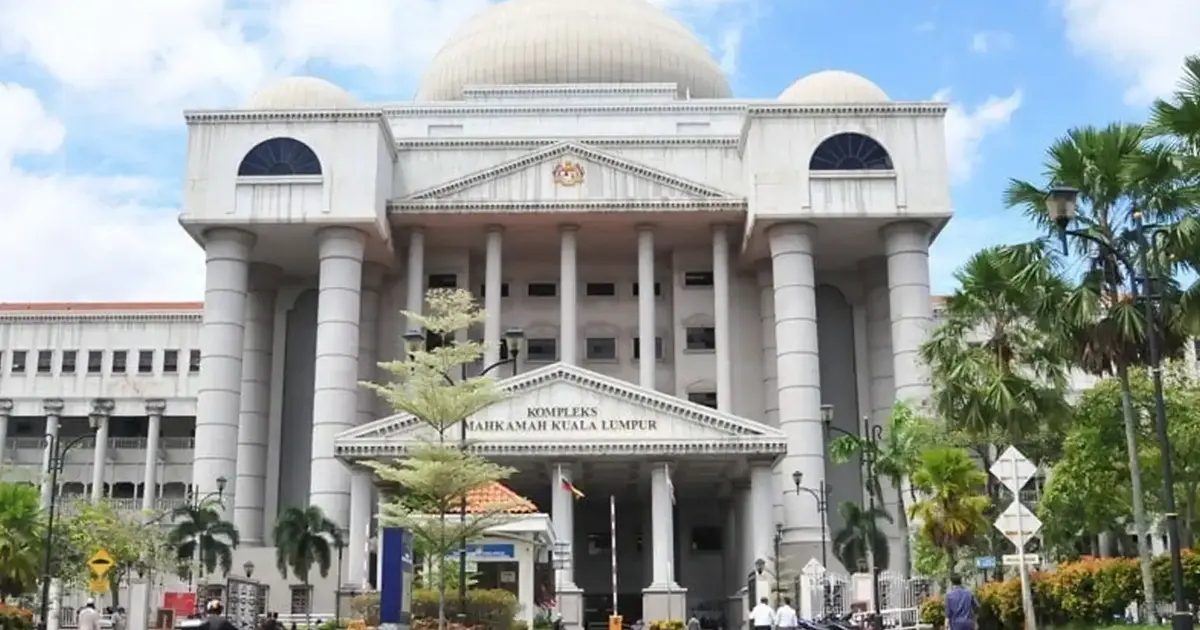
A significant decision from Malaysia's High Court has clarified the flexibility within trademark application procedures, ruling that procedural timing requirements need not be followed with absolute precision. The judgment establishes that the requirement to serve a counterstatement at the same time as filing it functions as a directory provision—a guideline that courts should aim to enforce but which does not render the entire application void if breached. This distinction between directory and mandatory requirements carries substantial implications for intellectual property practitioners navigating Malaysia's trademark registration framework.
The judge's interpretation reflects a broader judicial philosophy that procedural formalism should not override substantive justice, particularly in intellectual property disputes where parties often invest significant resources in developing brand identities. By clarifying that a two-day delay does not constitute fatal non-compliance, the court acknowledges that rigid adherence to timing protocols can sometimes work against the interests of legitimate trademark holders. This approach aligns with international best practices in intellectual property law, where most major jurisdictions recognize that technical procedural breaches should not destroy intellectual property rights absent evidence of prejudice to other parties.
The distinction between directory and mandatory provisions represents a critical principle in Malaysian administrative and civil law. Mandatory provisions typically involve matters of jurisdiction, proper authority, or fundamental fairness—requirements whose violation strikes at the very heart of a legal proceeding's legitimacy. Directory provisions, by contrast, concern procedural niceties designed to promote efficiency and orderliness but whose non-compliance does not inherently compromise the fairness or validity of proceedings. This judgment applies that principle to trademark law, suggesting courts should examine whether a procedural lapse genuinely prejudices any party before invalidating substantive rights.
For Malaysia's business community, particularly small and medium enterprises building brand portfolios, this ruling provides reassurance that honest administrative mistakes or minor scheduling conflicts will not result in the loss of trademark protection. Many businesses operate with limited legal expertise and administrative infrastructure, making strict compliance with all procedural requirements genuinely challenging. By permitting courts to overlook minor delays when they cause no substantive harm, the High Court's decision makes the trademark registration system more accessible and fair to applicants across different sectors and company sizes.
The ruling also has implications for the way Malaysia's Intellectual Property Corporation (MyIPO) structures its procedures and communicates expectations to applicants. When courts declare certain procedural requirements directory rather than mandatory, the registration authority must balance rigorous administration with practical flexibility. Patent and trademark examiners must now exercise judgment about whether to enforce strict compliance or permit remedial action, requiring training and clear guidance on how to apply the court's principles consistently across different applications.
International trademark holders and multinational corporations frequently coordinate filings across multiple jurisdictions, where different legal systems impose varying procedural requirements and filing deadlines. Malaysia's clarification that minor delays do not automatically destroy applications makes the jurisdiction more predictable and business-friendly for these sophisticated parties. Many regional companies use Malaysia as a gateway to Southeast Asian markets, and a clearer trademark registration framework reduces friction and uncertainty in their expansion strategies.
The judgment also reflects evolving thinking about how technology and modern communication tools should influence procedural requirements. When trademark applications and counterstatements are filed electronically through MyIPO's digital systems, the distinction between simultaneous filing and service becomes somewhat artificial. Courts may increasingly recognize that digital platforms enable verification and concurrent communication in ways that traditional paper-based systems did not, suggesting that the purposes underlying strict timing requirements have partly been superseded by technological reality.
However, the ruling must be understood as establishing a flexible rather than permissive standard. The court has not declared that timing requirements are entirely meaningless or that applicants can serve counterstatements whenever they choose. Rather, the judgment permits minor deviations from strict timing when they do not prejudice other parties or demonstrate deliberate disregard for procedural rules. Applicants and their counsel cannot use this decision as license to ignore filing deadlines; instead, the ruling provides a safety valve when genuine accidents or unforeseen circumstances cause narrow timing lapses.
The High Court's reasoning also protects applicants from appearing to lose intellectual property rights due to mistakes of opposing counsel or third parties. If one party's delay in serving documents could invalidate another party's substantive application, the system would create perverse incentives for gamesmanship, where sophisticated parties might exploit procedural technicalities against less experienced opponents. By treating timing as directory rather than mandatory, the court reduces opportunities for such tactical abuse while maintaining incentives for generally compliant conduct.
This decision contributes to a growing body of Malaysian jurisprudence recognizing that substantive fairness matters more than mechanical rule-following. Previous High Court decisions have increasingly scrutinized whether procedural violations genuinely prejudice parties or merely offend against formalism. The trademark ruling extends that principle into intellectual property law, an area where business expectations and legitimate reliance on rights are particularly significant considerations for judges weighing procedural compliance against substantive justice.
For trademark practitioners advising clients, the judgment suggests that procedural errors need not trigger panic or lead to hasty litigation. Instead, counsel should assess whether their procedural lapse caused prejudice to other parties and whether remedial action remains possible. MyIPO and the courts may permit late filing or service where the substantive merits and lack of prejudice support doing so, making it worthwhile to explore options rather than immediately abandoning applications. This more pragmatic approach to intellectual property protection serves Malaysia's broader economic interests in fostering entrepreneurship and investment in brand development.

