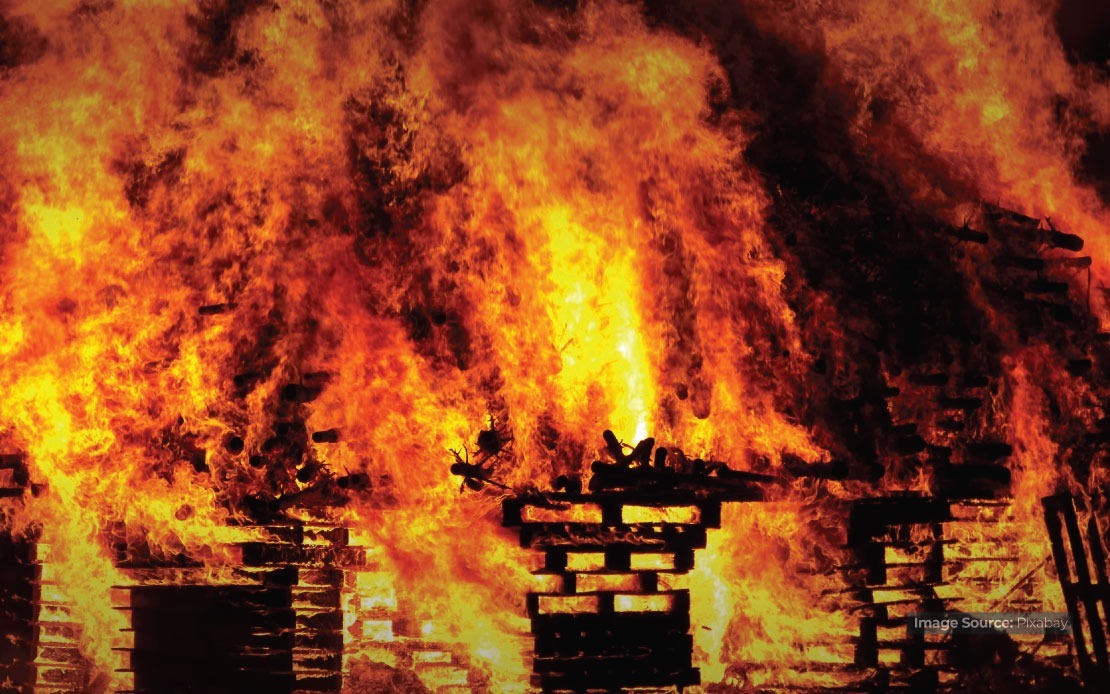
A devastating fire tore through a residential apartment block in Schaerbeek, a municipality within the Brussels-Capital Region, during the early hours of Sunday morning, leaving two people dead and a further eight injured. The incident prompted an immediate response from emergency services across the region, with firefighters working to contain the blaze and rescue those trapped within the building. The two fatalities represent a significant tragedy for the local community, while the injuries sustained by the other victims underscore the severity and rapid spread of the fire through the residential structure.
Among those injured, two individuals were reported to be in serious condition requiring intensive medical intervention. All eight of the injured were evacuated and transferred to hospitals distributed across the Brussels-Capital Region to receive the necessary treatment. Emergency responders coordinated a multi-hospital approach to distribute the patient load and ensure each victim received appropriate care commensurate with the severity of their injuries. The coordination between emergency medical services and receiving hospitals demonstrated the region's preparedness for large-scale casualty incidents.
Investigators have not yet determined the precise origin and cause of the fire, with the incident remaining under active examination. The public prosecutor's office, alerted immediately following the emergency response, has taken charge of the inquiry and assembled a specialised team to investigate. A dedicated laboratory team and an independent fire expert have been appointed to conduct a detailed forensic examination of the premises, analyse physical evidence, and reconstruct the sequence of events that led to the outbreak and propagation of the fire. This methodical approach is standard in major residential fire incidents across European jurisdictions.
Martin de Brabant, the acting Mayor of Schaerbeek, responded decisively by activating the municipality's emergency protocol, enabling the rapid mobilisation of local resources. Municipal services swung into operation to manage the displaced residents who had been forced to evacuate their homes. The emergency activation created a coordinated framework allowing welfare officers, emergency housing coordinators, and support staff to provide immediate assistance to those whose homes had been affected or rendered uninhabitable by the fire or the emergency response measures.
The coordination between municipal authorities and the Brussels Fire Brigade extended beyond immediate firefighting and rescue operations. A joint statement released by both organisations stressed their commitment to ensuring comprehensive support for all those affected, encompassing medical treatment, psychosocial counselling, and material assistance. This integrated response acknowledges that residential fires create trauma extending well beyond physical injuries, with evacuated residents facing displacement, loss of personal possessions, and significant emotional distress requiring professional intervention.
For Malaysian readers, this incident reflects the importance of rigorous building safety standards and emergency preparedness protocols that remain critical issues across residential sectors globally. Many Southeast Asian cities grapple with similar challenges in older residential areas where fire safety compliance and emergency response infrastructure may lag behind contemporary standards. The Brussels incident illustrates how well-coordinated emergency services, clear chain-of-command structures, and pre-established evacuation procedures can minimise casualties, though such systems require sustained investment and regular testing.
The investigation phase will prove crucial in determining whether this fire resulted from structural deficiencies, electrical failures, inadequate fire suppression systems, or resident carelessness. Each potential cause carries different implications for building codes and rental regulations. Evidence from the forensic examination will inform whether additional safety measures are needed in similar structures across Brussels and potentially influence European-wide residential building standards.
Residential fires in densely populated urban areas present particular challenges due to vertical building configurations that can trap residents on upper floors and complicate evacuation routes. The Schaerbeek incident raises questions about whether adequate emergency exits, functional fire detection systems, and resident familiarity with evacuation procedures existed. Fire-prone structures often reflect broader urban planning challenges, where older neighbourhoods struggle to modernise infrastructure while accommodating increasing populations.
The psychosocial support component emphasised in the official response demonstrates evolving understanding of disaster management beyond immediate emergency response. Residents displaced by fires frequently experience lasting trauma, anxiety, and displacement challenges that extend months beyond the initial incident. Providing coordinated mental health services alongside material assistance represents best practice in comprehensive disaster response that increasingly appears across developed nations.
Authorities will examine whether this fire exposes gaps in current residential building regulations or enforcement. The investigation findings may prompt reviews of fire safety inspections, smoke detector requirements, or emergency lighting systems across similar residential properties. Such reviews often trigger broader policy discussions about balancing occupant safety with construction costs and landlord compliance burdens, particularly in economically disadvantaged neighbourhoods where safety standards may be most compromised.
As the investigation proceeds and casualty assessments finalise, the focus will shift toward long-term recovery for survivors and lessons learned for emergency management. The incident serves as a stark reminder that despite modern building technologies and sophisticated emergency services, residential fires remain a persistent threat to urban populations, demanding constant vigilance in building safety, emergency preparedness, and community resilience. The response capacity demonstrated in Brussels offers instructive examples for cities elsewhere managing similar risks in complex urban environments.

