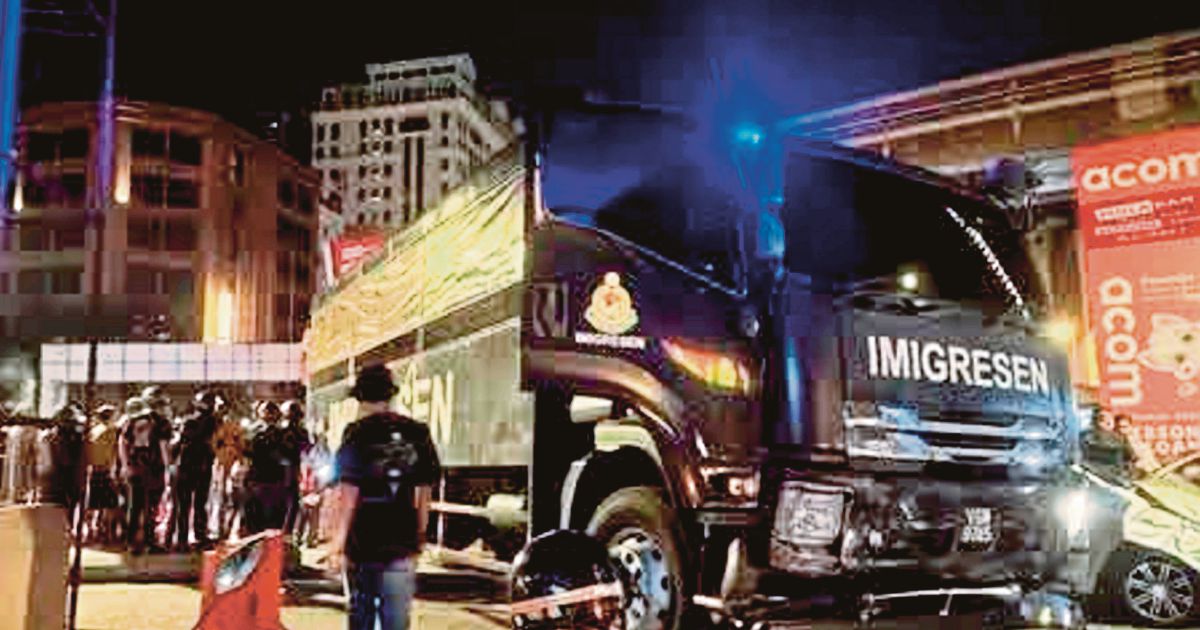
Police have placed two drivers in judicial custody as they pursue investigations into a deadly traffic incident that claimed three lives on Jalan Sultan Ismail in Kuala Lumpur. The collision, which occurred in the early hours of the morning, involved a lorry operated by the Immigration Department and resulted in the deaths of a man and his two daughters. The circumstances surrounding the crash have prompted authorities to take both drivers into detention pending further enquiries.
The tragic nature of this incident—involving the loss of a young family within a single vehicle—underscores the gravity of road safety concerns along one of Kuala Lumpur's major arterial routes. Jalan Sultan Ismail carries considerable traffic volume throughout the day and night, making it a critical corridor for both commercial and private transport. The early morning timing of the collision raises questions about visibility, driver fatigue, and road conditions that may have contributed to the accident. Such high-mortality crashes on major urban roads often trigger broader discussions about enforcement of traffic regulations and vehicle maintenance standards.
The involvement of a government department vehicle adds another dimension to this investigation. Immigration Department lorries typically operate within established frameworks regarding vehicle maintenance, driver qualifications, and operational procedures. Authorities will likely examine whether the government vehicle complied with safety protocols and whether regular maintenance schedules were followed. Public sector vehicles carry particular scrutiny given the trust placed in government agencies to maintain vehicles to the highest standards, especially when human lives are at stake.
The detention of both drivers signals that investigators believe human error or negligence may have played a role in the collision. While it remains premature to determine fault without full investigative results, the decision to remand both parties suggests police are examining factors such as speed, lane discipline, awareness of road conditions, and adherence to traffic laws. Malaysian courts have consistently held drivers accountable for maintaining reasonable care on public roads, particularly when fatalities result from collisions.
For families who have suffered bereavement in traffic incidents, the investigative and judicial process often becomes a protracted ordeal. Beyond the immediate trauma of loss, relatives must navigate police inquiries, potential court proceedings, and potential civil claims. The Malaysian legal system provides channels for such cases, though timelines can extend significantly as evidence is compiled and expert analysis completed. Insurance considerations and compensation matters may also prove complex when a government vehicle is involved.
This incident reflects persistent road safety challenges in Malaysia's urban areas, despite ongoing campaigns and enforcement initiatives. Traffic fatality rates in the country remain a public health concern, with collisions on major roads accounting for a significant proportion of deaths. The Kuala Lumpur metropolitan area, while relatively well-maintained compared to other regions, continues to experience preventable accidents. Contributing factors often include speeding, driver inattention, vehicle defects, and inadequate separation between commercial and private vehicles during peak hours.
The investigation's progression will likely involve technical analysis of the collision scene, vehicle inspections, and examination of dashcam or surveillance footage if available. Modern traffic investigations in Kuala Lumpur increasingly benefit from CCTV networks that monitor major roads, potentially providing investigators with clear evidence of how the accident unfolded. Such documentation can prove decisive in establishing liability and informing traffic safety recommendations.
The remand of the drivers allows police continued access for questioning and evidence gathering without formal charges being immediately preferred. This investigative custody typically extends for several days, during which time authorities piece together the factual matrix of the incident. Subsequent decisions regarding whether to charge either or both drivers will rest on the sufficiency of evidence establishing criminal culpability beyond reasonable doubt.
This tragedy resonates particularly within Malaysian society, where familial bonds and the protection of family members hold paramount importance. The loss of a father alongside his young daughters represents a devastating personal and social loss with ramifications that extend beyond the immediate family circle. Community responses to such incidents often include renewed calls for stricter enforcement and improved road design, particularly in high-traffic areas where multiple vehicle types operate simultaneously.
The broader implications for road safety governance suggest a need for comprehensive examination of how government vehicles are maintained, deployed, and monitored. Driver training and fatigue management programs may require review to prevent similar tragedies. Additionally, infrastructure improvements on major routes like Jalan Sultan Ismail—including better lane demarcation, lighting, and speed enforcement mechanisms—could contribute to reducing collision frequency and severity.

