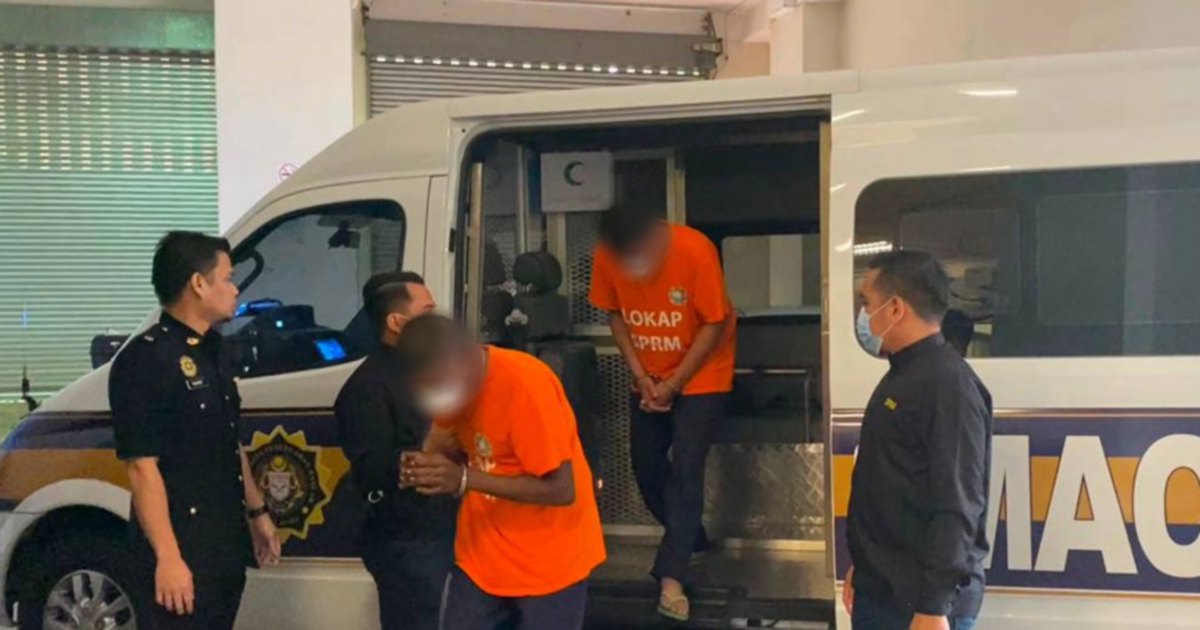
The Royal Malaysian Police arrested two highway patrol officers in Kuantan on suspicion of soliciting bribes from motorists who had committed traffic infractions along the East Coast Expressway 2 (LPT2). The officers were remanded pending investigation into allegations that they leveraged their enforcement authority to extract payments from drivers seeking to avoid official citations and penalties.
This development underscores persistent concerns about corruption within Malaysia's traffic enforcement apparatus, particularly on major expressway corridors where high-volume vehicle movement creates opportunities for misconduct. The LPT2, a critical transportation artery connecting the east coast peninsula, experiences substantial daily traffic from both commercial and private vehicles, making it a focal point for enforcement operations.
Highway patrol units wield considerable discretionary authority, including the power to issue summonses, conduct roadside checks, and determine whether to escalate minor violations into formal charges. The alleged misuse of this authority for personal financial gain represents a fundamental breach of public trust and undermines the integrity of Malaysia's traffic safety regime. When enforcement officers exploit their position to solicit payoffs, they create perverse incentives that encourage further violations and compromise road safety standards.
Cases involving police corruption in traffic enforcement have periodically surfaced across Malaysia, though high-profile arrests remain relatively rare. The apprehension of these two officers may indicate heightened scrutiny by internal affairs units or enhanced reporting mechanisms capturing such misconduct. The willingness of the authorities to publicly disclose these arrests suggests institutional commitment to accountability, though observers note that systemic corruption often extends beyond individual bad actors.
For Malaysian motorists, particularly those navigating the LPT2 regularly, such incidents raise legitimate concerns about arbitrary enforcement and the pressure to settle disputes through informal payments rather than official channels. Commercial vehicle operators who rely heavily on expressways report encounters with aggressive enforcement patterns, raising questions about whether quota systems incentivise questionable practices. The distinction between legitimate enforcement and extortionate conduct becomes critical in contexts where officers possess unilateral discretion during roadside interactions.
The LPT2 corridor serves significant economic functions, facilitating movement of goods between the east coast states and the rest of the peninsula. Corruption affecting this corridor creates friction in supply chains and increases transaction costs for businesses. Logistics companies operating on the expressway factor informal payment expectations into operational budgeting, effectively creating an unofficial tax on commerce that diverts resources from productive activities.
Police leadership has periodically launched anti-corruption initiatives, including internal investigations and disciplinary procedures against errant officers. The Integrity and Conduct Bureau within the Royal Malaysian Police maintains oversight mechanisms, though implementation effectiveness varies considerably. Public disclosure of investigations serves a deterrent function, signalling that misconduct carries professional consequences. However, experts argue that effective corruption mitigation requires systemic reforms beyond individual accountability, including technological solutions like dashcam footage, standardised enforcement protocols, and transparent complaint mechanisms.
The investigation into these two officers will likely scrutinise patterns of their enforcement behaviour, including the volume and nature of summonses issued, vehicle stops conducted, and potential correlations with known traffic hotspots. Investigators will presumably examine financial records and communications to establish whether motorists can corroborate allegations of solicitation. The integrity of the investigation itself becomes paramount, as any perception of whitewashing would further erode public confidence in traffic enforcement institutions.
From a regulatory perspective, expressway operators and police command structures share responsibility for creating environments where misconduct becomes untenable. This requires robust oversight structures, officer rotation policies preventing entrenchment in lucrative enforcement zones, and genuine consequences for substantiated violations. Technology deployment including body cameras and in-vehicle recording systems can provide objective documentation reducing opportunities for he-said-she-said disputes between drivers and officers.
The broader implications of this case extend beyond the immediate individuals involved. It reinforces perceptions that Malaysian motorists may encounter demands for informal settlements, potentially influencing compliance behaviour. Drivers who believe enforcement discretion is for sale may paradoxically become more willing to offend, calculating that informal arrangements offer better value than formal penalties. This creates a vicious cycle undermining the deterrent effects that legitimate enforcement should provide.
Looking forward, the handling of this investigation will signal institutional seriousness about corruption. Prosecutorial follow-through, proportionate disciplinary action, and public communication of outcomes remain essential for restoring confidence in traffic law enforcement. Southeast Asia more broadly grapples with similar challenges in police professionalisation, and Malaysia's response to this case may influence discussions in neighbouring jurisdictions facing comparable problems. Building public trust requires consistent action against misconduct and transparent acknowledgment of systemic vulnerabilities alongside remedial measures addressing them.

