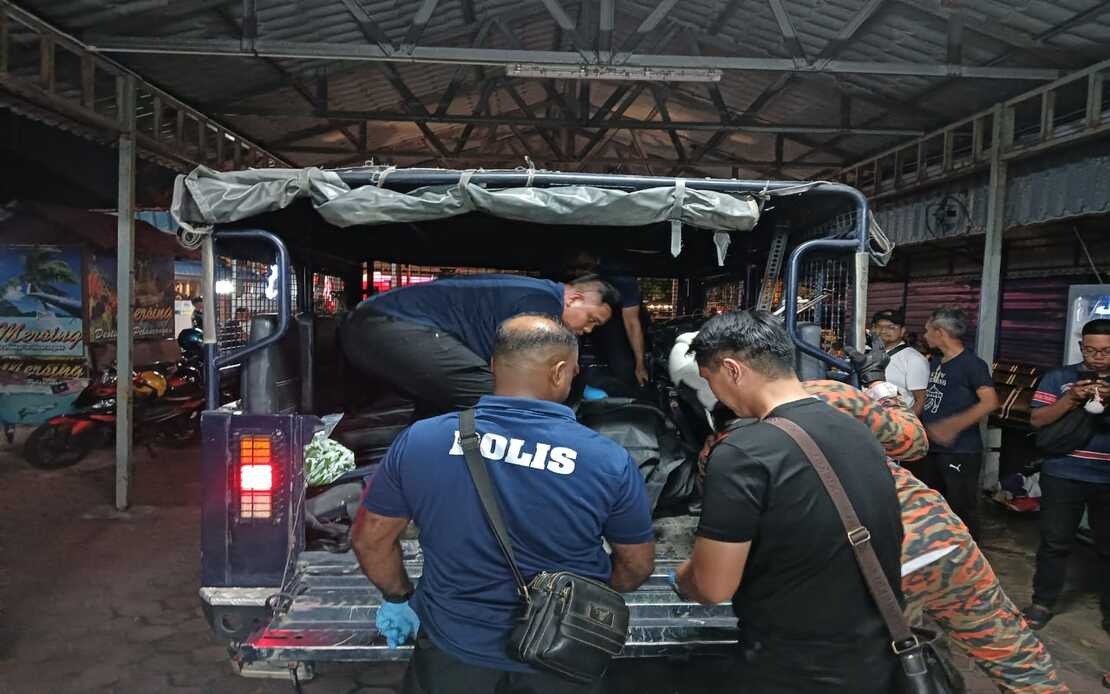
A tragic maritime incident unfolded near the Sungai Mersing estuary in Johor on the evening of August 31 when two boats collided, resulting in two deaths and leaving four others requiring medical treatment. The Fire and Rescue Department's Operations Control Centre received notification of the emergency at 9:04 pm, triggering an immediate response from authorities in one of Malaysia's busy coastal areas.
The Mersing Fire and Rescue Station dispatched a combined team of nine personnel, comprising a Fire Rescue Tender and a Fire Response Vehicle, to the Mersing Jetty where the incident had occurred. The rapid mobilisation reflected emergency protocols designed to minimise casualties in maritime accidents, which remain a persistent concern along Malaysia's coastlines given the region's significant fishing and transport activities.
Upon arrival at the scene, the Operation Team confirmed that a collision had indeed taken place between the two vessels. Medical personnel at the scene conducted initial assessments and tragically confirmed that two individuals had succumbed to their injuries. The deceased were subsequently handed over to police authorities for formal documentation and further investigative procedures, as required under Malaysian maritime accident protocols.
Beyond the fatalities, the collision resulted in injuries sustained by four additional people involved in the incident. These injured parties were receiving active treatment at the time, with emergency medical services continuing their operations to stabilise and provide necessary care. The ongoing nature of the rescue and medical response indicated the complexity of the situation and the need for continued coordination between fire, rescue, and medical personnel.
Mersing District Police Chief Supt Abdul Razak Abdullah Sani acknowledged the incident and confirmed that the case had been formally registered for investigation. The police chief indicated that a comprehensive media statement regarding the findings would be released once preliminary inquiries were completed, a standard practice in significant maritime accidents involving fatalities.
The collision at Sungai Mersing estuary highlights enduring safety challenges in Malaysian waters. While Malaysia maintains established emergency response frameworks, incidents of this magnitude underscore the inherent risks associated with maritime activity, particularly in estuarine zones where river currents, tidal patterns, and navigational complexities can contribute to accidents.
Johor's coastline, which stretches extensively along the Straits of Johor, experiences considerable vessel traffic from both commercial fishing operations and passenger transport services. The Mersing area specifically serves as a gateway to popular island destinations and maintains a busy maritime schedule, making comprehensive safety oversight crucial for protecting those who work and travel in these waters.
The investigation initiated by Mersing District Police will likely examine multiple factors that may have contributed to the collision, including weather conditions prevailing at the time, visibility levels, vessel speeds, navigational procedures followed by both boats, and adherence to maritime traffic regulations. Such investigations typically involve detailed interviews with survivors, examination of vessel conditions, and consultation with maritime experts.
This incident comes amid ongoing discussions within Malaysia regarding maritime safety standards and the adequacy of surveillance and enforcement mechanisms in busy waterways. Industry observers note that improved communication systems, enhanced navigational technology adoption, and comprehensive safety training programmes for vessel operators could further reduce the frequency of such tragic events.
The families and communities affected by this collision will undoubtedly require support services, while the broader maritime sector in Johor may face renewed scrutiny regarding operational safety measures. Authorities typically use such incidents as opportunities to review and potentially strengthen existing safety protocols and emergency response procedures.

