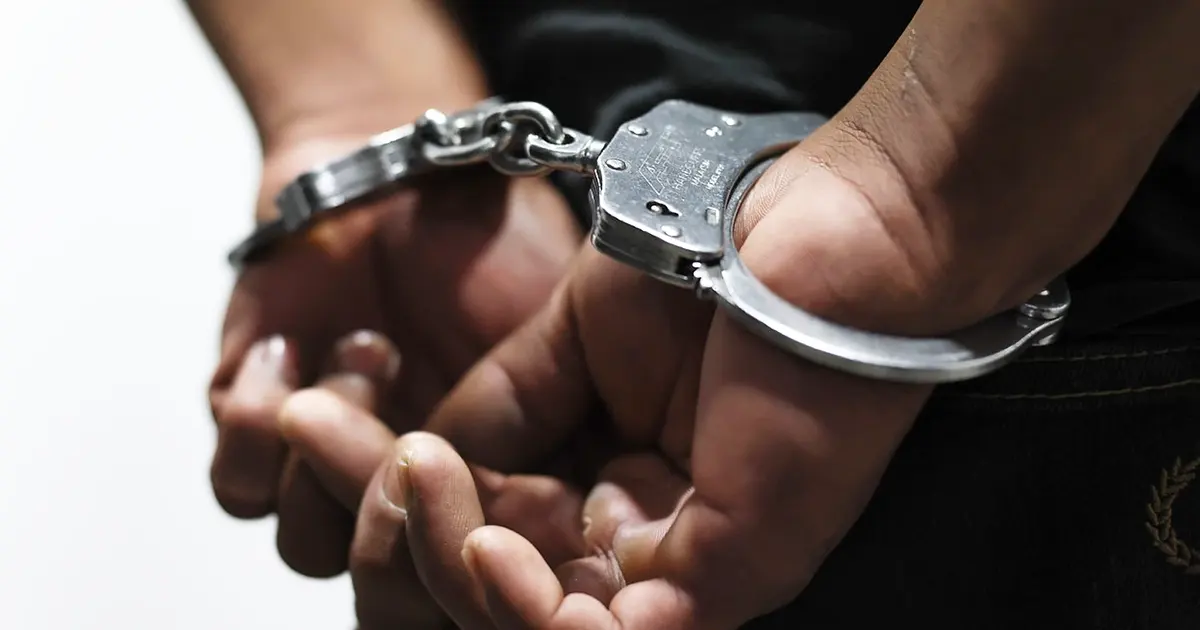
Police have arrested two men in connection with the death of their friend during a hunting expedition, with investigators believing the tragedy resulted from an accidental discharge rather than deliberate harm. The arrests represent a significant development in a case that highlights the dangers associated with recreational hunting and the sometimes tragic consequences of poor safety practices in remote settings.
According to law enforcement statements, the circumstances surrounding the fatality suggest the two arrested individuals panic-stricken after realizing what had occurred, leading them to conceal the victim's body rather than immediately report the incident to authorities. This sequence of events—from the initial accident through the attempted cover-up—presents a complex investigative picture that touches upon both accidental death and obstruction considerations.
The incident underscores a broader conversation about hunting safety protocols and the importance of firearm discipline in outdoor recreational activities. Throughout Malaysia and the broader Southeast Asian region, hunting remains a popular pursuit among enthusiasts, yet incidents involving accidental discharge remain a persistent concern for law enforcement and wildlife management authorities. The circumstances of this case serve as a cautionary reminder of how quickly tragedy can unfold when proper precautions are not observed or when fatigue and inattention compromise judgment in the field.
Investigators have been examining the exact sequence of events leading to the shooting, including the positioning of the hunters, weather conditions, visibility, and the specific equipment in use at the time. Such forensic reconstruction work is essential for establishing whether safety violations or negligence contributed to the outcome, distinctions that carry legal implications for those involved. The decision by the two men to hide the body rather than immediately alert emergency services has complicated the investigation and raised additional questions about their mindset and understanding of their legal obligations.
The handling of this case by authorities reflects established protocols for investigating suspicious deaths in Malaysia. When a body is discovered under unclear circumstances, particularly one that has been concealed, police must conduct thorough examinations to rule out foul play before establishing the probable cause. This methodical approach, while sometimes lengthy, ensures that justice is properly served and that victims receive appropriate recognition of how they died.
For the broader hunting community, incidents of this nature typically prompt renewed discussions about mandatory safety training, the proper use of hunting licenses, and enforcement of regulations governing firearms in recreational contexts. Malaysia's wildlife authorities work alongside police to monitor hunting activities and ensure compliance with relevant legislation. The visibility of cases like this one can either reinforce commitment to safety standards or, conversely, create hesitancy among responsible hunters who fear legal consequences even when following proper procedures.
The emotional and legal fallout for families affected by such incidents extends far beyond the immediate tragedy. The victim's relatives now face not only grief but also the extended process of formal investigation, potential court proceedings, and the complicated emotions that arise when a death is ruled accidental rather than intentional. Simultaneously, the families of the arrested individuals confront the reality of loved ones facing potential criminal charges related to the concealment of the body and circumstances surrounding the shooting.
From a legal standpoint, prosecutors must determine what charges are most appropriate given the evidence collected during the investigation. In cases where accidental death is coupled with concealment, charges might range from causing death by negligence to obstruction of justice or failing to report a death, depending on jurisdictional law and the specific facts established. The distinction between different charge categories carries substantial implications for sentencing and the long-term consequences the accused will face.
The investigation also raises questions about communication and decision-making in high-stress situations. Why the two men chose concealment over seeking immediate medical assistance or contacting authorities reflects psychological factors that mental health professionals and legal experts often examine in such cases. Understanding their reasoning does not excuse their actions but provides important context for understanding how ordinary individuals can make catastrophically poor decisions in moments of crisis and confusion.
For Malaysia's law enforcement community, cases involving outdoor recreational accidents require specialized expertise spanning forensic analysis, firearms knowledge, and understanding of hunting practices. The Royal Malaysia Police's investigation teams bring together officers with diverse skill sets to reconstruct events and establish facts with precision. The coordination between different police units and, where applicable, wildlife departments demonstrates the institutional response to such incidents.
Looking forward, the outcomes of this case will likely inform discussions among hunting organizations, regulatory bodies, and safety advocates about strengthening protective measures. Whether through enhanced training requirements, stricter equipment standards, or more robust enforcement of existing regulations, the hunting community often responds to high-profile accidents by reassessing practices. The goal remains ensuring that recreational hunting can continue as a legitimate pursuit while minimizing the tragic human cost associated with accidents and poor decision-making.

