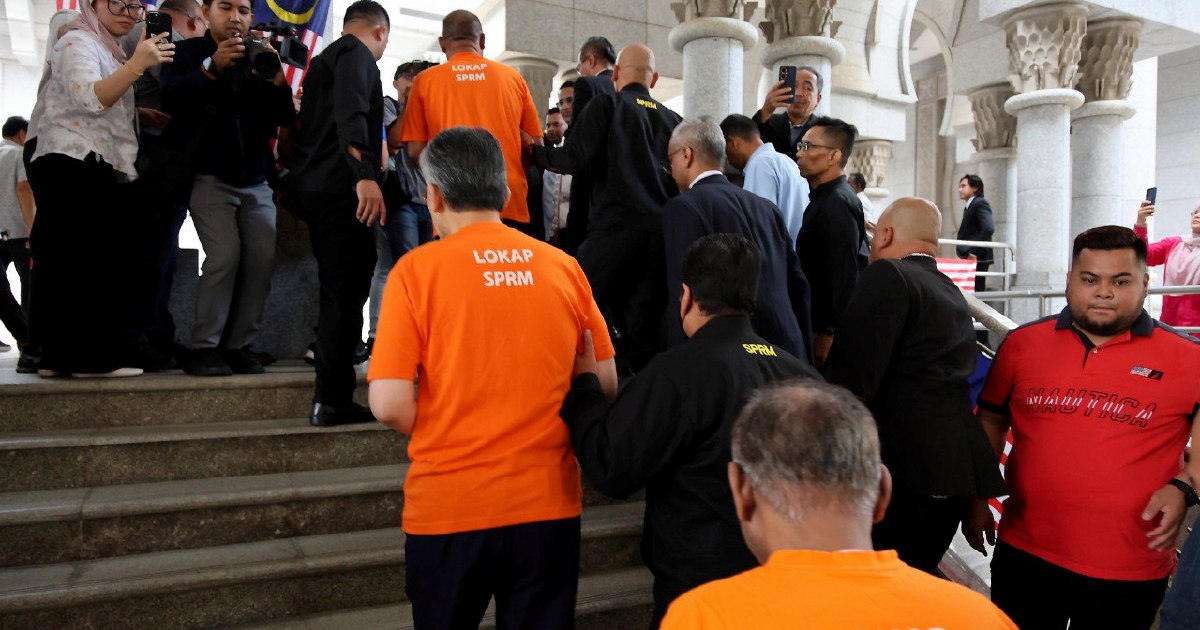
Two figures from Malaysia's upper echelons of public administration—a former chairman of Lembaga Tabung Haji and a retired secretary-general of the Treasury—presented themselves at the Putrajaya magistrates' court for remand hearings on what appears to be a significant development in an investigation involving senior state officials.
Their appearance at the Putrajaya court marked a notable moment in a case that underscores ongoing scrutiny of governance within Malaysia's bureaucratic and financial institutions. The remand hearing represented a formal legal proceeding that would determine whether the individuals remain in custody pending further investigation or are released subject to conditions.
Lembaga Tabung Haji, the statutory body established to manage the savings of Malaysian Muslims for hajj pilgrimages, has been at the centre of public attention and official inquiry in recent years. The fund manages substantial assets on behalf of hundreds of thousands of account holders across the nation, making its administration a matter of considerable public interest and regulatory importance.
The Treasury secretariat, as the apex administrative entity within Malaysia's finance ministry, wields enormous influence over the nation's budgetary allocation, fiscal policy implementation, and government expenditure frameworks. A former secretary-general holding a position at that institution represents involvement in the highest levels of financial administration during their tenure.
Remand hearings in Malaysia's legal system serve as critical junctures where courts assess whether detained individuals should remain in police custody whilst investigations progress. These proceedings typically examine whether there exists sufficient grounds to believe an offence has been committed, and whether further detention would materially assist investigative efforts or present a flight risk.
The appearance of two figures of such seniority simultaneously suggests the investigation encompasses institutional dimensions rather than isolated individual misconduct. Malaysian precedent indicates that when former officials at comparable administrative levels face concurrent legal processes, the underlying inquiry often involves systemic concerns around governance, financial management, or administrative accountability spanning multiple government entities.
For Malaysian readers, developments involving former Treasury and Lembaga Tabung Haji personnel carry implications extending beyond individual accountability. These institutions touch the lives of millions: the Treasury shapes tax policy and public spending that affects household budgets, employment, and social services, whilst Lembaga Tabung Haji safeguards the accumulated savings of over 800,000 account holders anticipating hajj journeys.
Such proceedings also reflect broader regional trends. Southeast Asian democracies increasingly grapple with balancing institutional reform, anti-corruption imperatives, and public confidence in state administration. Malaysia's experience with senior official accountability has drawn international attention and comparison to governance trajectories across Thailand, Indonesia, and the Philippines, where similar institutional probes have reshaped political landscapes.
The court process unfolding in Putrajaya represents the formal machinery of justice responding to alleged administrative lapses or misconduct. Whether remand is extended, shortened, or declined will provide early signals regarding the investigation's scope and the strength of evidence prosecutors believe they possess.
Local observers and international governance analysts typically scrutinise such cases for patterns indicating whether institutional accountability mechanisms function effectively when senior figures face legal scrutiny. The outcomes influence broader perceptions of whether Malaysia's judicial system operates with sufficient independence and rigour to examine powerful individuals within the bureaucracy.
For Malaysia's Muslim community specifically, any proceedings involving Lembaga Tabung Haji officials carry emotional and spiritual resonance. The Fund represents a sacred trust—accumulated funds earmarked for the completion of one of Islam's five pillars. Public uncertainty regarding the Fund's administration can create anxiety among account holders concerned about their accumulated savings and pilgrimage prospects.
The Treasury dimension adds fiscal policy ramifications. Confidence in the institution's leadership and integrity directly influences international investors' perceptions of Malaysia's economic governance and creditworthiness. Rating agencies and foreign portfolio managers monitor how authorities handle investigations touching the Finance Ministry's operations.
As remand proceedings continue, Malaysian institutions and the public face a critical window where the transparency and professionalism demonstrated by courts, prosecutors, and law enforcement will either reinforce or undermine confidence in the nation's capacity for institutional self-correction at the highest administrative levels.

