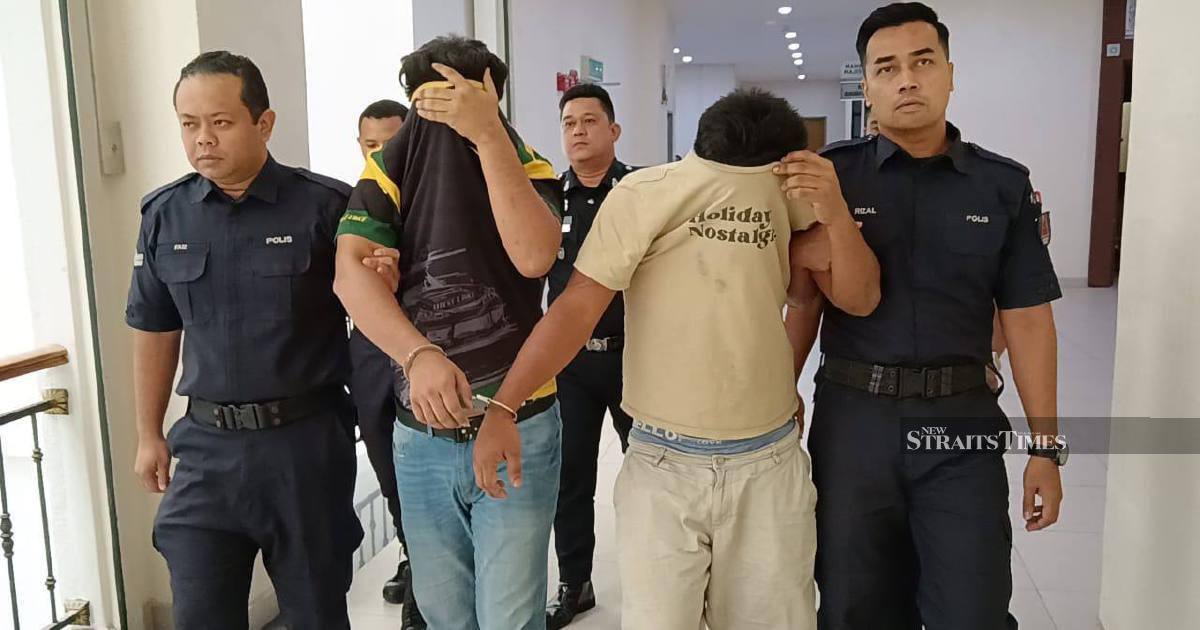
Two Rohingya men holding UNHCR identification cards have been charged in connection with a series of residential break-ins that have plagued Muar district in Johor, with the men appearing before magistrates this week to face the allegations against them.
The charges represent a significant development in what appears to have been a coordinated crime spree affecting households across the locality. The involvement of documented refugees raises complex questions about community safety, integration challenges, and the broader dynamics of crime within refugee populations in Malaysia.
Muar, a district in central Johor that has hosted a considerable population of displaced persons and refugees in recent years, has experienced recurring security concerns related to petty crime and burglaries. The targeting of residential properties suggests organized activity rather than isolated incidents, with investigators tracing a pattern connecting the alleged offences.
The UNHCR—the United Nations High Commissioner for Refugees—issues identity documentation to registered refugees and asylum seekers who fall under its protection mandate. The presence of such cards among the accused individuals indicates they had been formally registered within Malaysia's refugee system and would have been subject to monitoring and reporting requirements. This detail highlights the challenge authorities face in maintaining oversight of large displaced populations while also raising questions about the effectiveness of existing accountability mechanisms.
The Rohingya community has represented one of the largest refugee populations in Malaysia, with thousands fleeing persecution in Myanmar since 2017 and earlier waves of displacement. While the majority of Rohingya in the country lead law-abiding lives, isolated incidents involving members of the community often attract disproportionate public attention and can fuel perceptions about refugee populations more broadly. Authorities have indicated that individual criminal conduct should not be attributed to ethnic or religious communities at large.
The progression through the Magistrate's Court marks the formal entry of these cases into Malaysia's judicial system. The specific charges, bail conditions, and timeline for trial proceedings will be determined through subsequent court hearings. Depending on the severity and number of alleged offences, cases of this nature can result in significant custodial sentences if convictions are secured.
From a security perspective, the Muar incidents underscore persistent challenges in protecting residential communities and investigating organized property crime. Police have intensified patrols and community engagement efforts in affected neighbourhoods, while residents have been advised to enhance home security measures. The Johor police force has made public safety a priority, particularly in districts experiencing elevated crime rates.
The charges also carry implications for broader policy discussions around refugee management and integration in Malaysia. Policymakers continue to grapple with balancing humanitarian obligations toward displaced populations with legitimate domestic security concerns. The incidents in Muar feed into ongoing debates about resource allocation for law enforcement, the adequacy of support services for refugees, and the need for employment and livelihood opportunities that might reduce incentives for criminal activity.
Neighbouring Selangor and Kuala Lumpur have similarly dealt with localized property crime problems that have occasionally involved individuals from refugee communities. Analysts note that economic marginalization, limited work opportunities, and social isolation can create conditions conducive to criminal behaviour among vulnerable populations, though this remains a complex causal relationship that resists simplification.
The court appearance of these two men will likely generate renewed discussion within Muar about community safety measures and the broader question of how Malaysia manages its refugee population in an era of global displacement challenges. The outcome of their cases, combined with other enforcement actions, will contribute to the emerging jurisprudence around crime involving refugee populations within the Malaysian legal system.
Authorities have indicated their commitment to investigating all leads thoroughly and ensuring that those responsible for the break-ins face appropriate legal consequences. Simultaneously, community leaders and civil society organizations have called for measured public discourse that avoids stigmatizing entire communities based on individual criminal acts. The Magistrate's Court proceedings are expected to provide greater clarity on the specific allegations and the evidence underpinning the charges.

