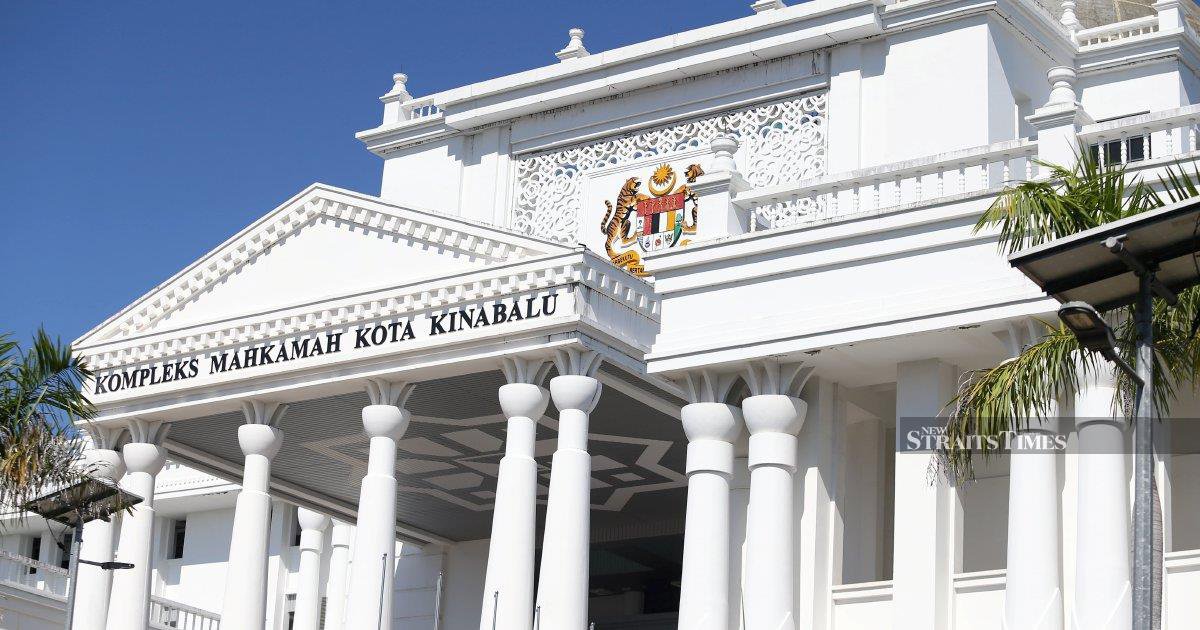
Two women appeared in the Sessions Court in Kota Kinabalu today to face charges stemming from an alleged fraudulent traditional healing scheme. The pair, who were taken into custody in recent weeks, now face three counts of criminal conspiracy with intent to cheat, with each count involving a separate victim. This case highlights the persistent vulnerability of individuals seeking alternative healing remedies and the sophisticated methods employed by those who exploit this trust.
Traditional healing services hold deep cultural significance across Malaysia, where many communities continue to rely on age-old remedies and practitioners as part of their healthcare approach. However, this cultural reliance has also created an environment where unscrupulous individuals can operate with relative ease, preying on vulnerable populations who may be desperate for solutions to health problems or personal difficulties. The alleged scheme in this instance targeted three women, suggesting a deliberate pattern of targeting vulnerable individuals rather than an isolated incident.
Criminal conspiracy charges, particularly those involving deception and fraud, represent serious criminal offences under Malaysian law. These charges require prosecutors to establish that the accused parties entered into an agreement with a common intention to commit a crime, and that at least one overt act was committed in furtherance of that conspiracy. The decision to bring three separate counts indicates that authorities view the accused as having undertaken multiple fraudulent acts rather than a single instance of wrongdoing, which could substantially affect sentencing guidelines if conviction is secured.
The arrest and charging of these individuals comes amid growing awareness of fraud schemes centred on alternative and traditional medicine practices. Throughout Malaysia and the broader Southeast Asian region, authorities have increasingly recorded cases where individuals misrepresenting themselves as healers or spiritual practitioners have defrauded unsuspecting victims of substantial sums of money. These operations typically exploit emotional vulnerability, cultural beliefs, and the desperation of individuals facing health crises or personal trauma.
The mechanism of such scams frequently involves building initial trust with victims through an appearance of spiritual legitimacy or healing expertise. Perpetrators may use traditional knowledge, religious references, or spiritual language to establish credibility before directing victims to make payments for remedies, rituals, or consultations. The progression typically escalates, with victims instructed to pay increasingly larger amounts in the belief that greater investments will yield the promised healing or spiritual benefits.
For Malaysian consumers, this case serves as a cautionary reminder regarding the importance of verifying credentials and exercising scepticism toward unsolicited healing claims. While legitimate traditional practitioners and healers operate with integrity throughout the country, the absence of formal regulatory frameworks governing traditional healing in many states creates a gap through which fraudsters can operate. Unlike conventional medical practitioners who must maintain professional registration and adhere to established standards, traditional healers often operate in a regulatory grey zone.
The involvement of the Sessions Court indicates that these charges fall under the higher criminal jurisdiction, suggesting that the alleged fraud amounts or circumstances warranted prosecution at this level rather than through lower Magistrates' Courts. This elevation reflects the seriousness with which authorities are treating the allegations. The Sessions Court, which hears more complex and serious cases, provides greater sentencing capacity if the accused are ultimately convicted.
For the three alleged victims, the experience of discovering that they have been defrauded represents not merely a financial loss but a profound breach of trust and potential emotional trauma. Individuals who seek healing services, whether traditional or otherwise, typically do so from positions of vulnerability. The realisation that one's desperation has been exploited by fraudsters can inflict lasting psychological damage beyond the monetary loss sustained.
The case also raises broader questions about community education and awareness regarding fraud prevention. Malaysian consumer protection agencies and law enforcement bodies have increasingly invested in public education campaigns, yet traditional healing fraud continues to occur. This suggests that targeted awareness efforts directed at specific vulnerable communities, potentially conducted in collaboration with community leaders and religious institutions, may be necessary to more effectively prevent such crimes.
Moving forward, this prosecution may contribute to establishing important jurisprudence regarding conspiracy charges in the context of healing fraud. As more cases progress through Malaysian courts, judges' interpretations and sentencing decisions will gradually establish precedents that may deter similar conduct. Additionally, the outcome of this case may influence how other enforcement agencies throughout the country approach similar allegations.
For consumers throughout Malaysia and Southeast Asia, vigilance remains essential. Verifying the legitimacy of practitioners, obtaining second opinions, and being cautious of demands for ever-increasing payments are practical safeguards against fraud. Community members should also feel empowered to report suspicious activities to local authorities, as such reports often prove crucial in identifying patterns of criminal behaviour that law enforcement might otherwise overlook.

