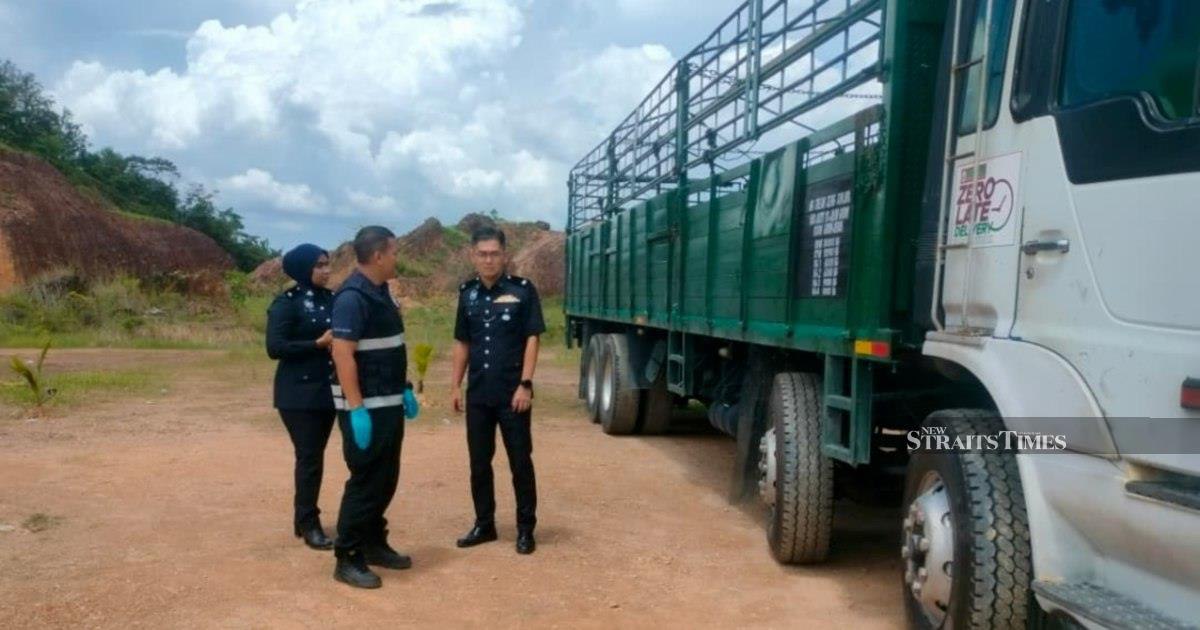
A tragic incident in Kampung Bukit Kuang, Sungai Petani, has claimed the life of a two-year-old girl who was struck by a reversing lorry at a residential property. The child's grandfather, a 61-year-old man, was operating the heavy vehicle at the time. Police have taken the elderly man into custody to assist with their ongoing investigation into the circumstances surrounding the fatal accident.
The incident, which occurred at the family home in the village area, underscores the ongoing dangers posed by reversing vehicles in residential settings, particularly in domestic compounds where children play. Heavy vehicles such as lorries present heightened risks due to their size, weight, and reduced visibility from the driver's cabin during reverse manoeuvres. The shock of the tragedy has rippled through the local community, prompting renewed discussions about safety precautions needed when operating large vehicles in close quarters with vulnerable family members.
Accidents involving young children and reversing vehicles have become a persistent concern in Malaysia, with domestic driveways and residential grounds accounting for a significant proportion of such fatalities each year. The combination of a child's limited height, which places them below the sightline of most commercial vehicles, and the reduced field of vision available to drivers during reverse operations creates a particularly dangerous scenario. These factors have led to repeated safety warnings from authorities and child welfare organisations across the country.
The grandfather's detention is standard procedure in Malaysia's criminal justice system when a death occurs as a result of an accident. Police will conduct a thorough investigation to establish the precise circumstances, determine whether any negligence or breach of duty occurred, and assess whether charges under relevant sections of the Penal Code or Road Transport Act may be warranted. Such investigations typically involve reconstructing the scene, examining vehicle condition, reviewing witness statements, and consulting forensic experts.
Families often face profound trauma following such incidents, particularly when the accident involves a close relative. The emotional and psychological impact extends beyond the immediate family to grandparents, siblings, extended family members, and the broader household. Support services and counselling become crucial during the grieving process, yet such resources remain limited in many Malaysian communities outside major urban centres.
The tragedy highlights broader questions about safety protocols in residential areas and the responsibility of vehicle operators to exercise heightened caution in environments where children may be present. Best practices endorsed by road safety advocates include conducting visual inspections before reversing, using spotters to guide reversing operations, installing proximity sensors and reversing cameras on vehicles, and establishing clear safety boundaries in residential compounds where children play.
Regulatory frameworks in Malaysia require heavy vehicle operators to maintain their vehicles in roadworthy condition and to comply with traffic regulations. However, enforcement of safety standards in private residential settings remains challenging, as such areas fall outside the jurisdiction of traffic police patrols. Responsibility for ensuring safe practices ultimately rests with vehicle owners and operators themselves, necessitating a strong cultural emphasis on vigilance and caution.
The loss of a young child impacts not only the immediate family but also the broader community, affecting neighbours, school colleagues, and playmates. Child deaths from preventable accidents frequently generate public discourse about whether existing regulations are adequate and whether enforcement mechanisms require strengthening. In this case, the incident will likely prompt authorities to review whether additional safety advisories are needed for residents operating commercial vehicles in domestic settings.
As the investigation proceeds, the focus will remain on determining the sequence of events that led to the child being in the path of the reversing vehicle. Questions about whether appropriate supervision was in place, whether the child wandered unexpectedly into the blind spot, and whether the driver checked thoroughly before reversing will form critical elements of the inquiry. The evidence gathered will inform whether this case proceeds to the courts and what charges, if any, may be laid against the grandfather.
The incident serves as a sobering reminder for Malaysian families, particularly in households where commercial vehicles or heavy machinery is regularly operated in close proximity to residential areas. Safety organisations continue to advocate for comprehensive awareness campaigns targeting vehicle operators, emphasising the critical importance of assuming children may be present and taking all precautionary measures before any reverse manoeuvre. These messages remain vital, as such preventable tragedies continue to devastate families across the country.

