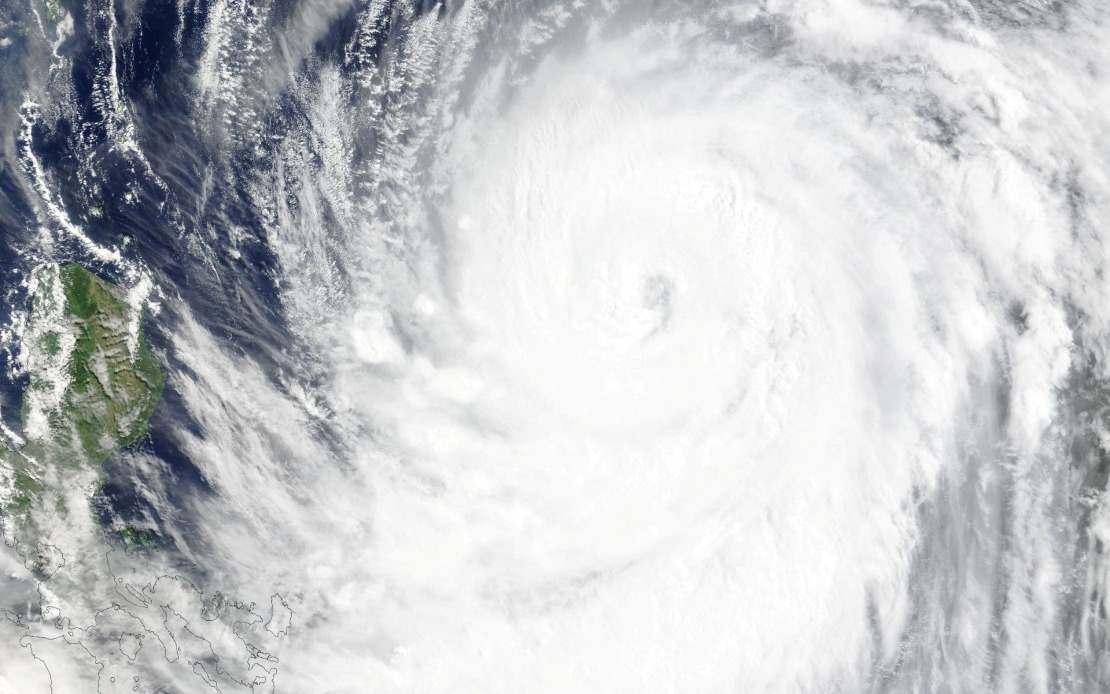
Taiwan braced for significant weather disruption on Friday as Typhoon Bavi, the ninth major storm system of the year, continued its northwestward trajectory toward the island. The Central Weather Bureau released a maritime alert on Thursday afternoon as the storm strengthened in waters southeast of Eluanbi, Taiwan's southernmost point, setting the stage for what officials described as potentially damaging conditions across vulnerable coastal and elevated regions.
The Thursday afternoon sea warning covered expansive ocean areas surrounding Taiwan, encompassing the waters immediately north and south of the main island, with particular emphasis on northeastern and southeastern approaches. The alert zone extended to include Orchid Island and Green Island, two populated outlying territories lying east of the main landmass, as well as the strategically important Bashi Channel, which separates Taiwan from the Philippines and serves as a critical maritime corridor for regional commerce.
At the time of the warning's issuance, Bavi displayed formidable meteorological characteristics that concerned forecasters monitoring its development. Maximum sustained winds near the storm's core reached 51 metres per second, equivalent to roughly 183 kilometres per hour, with violent gusts capable of peaking at 63 metres per second, or approximately 227 kilometres per hour. Such wind velocities place the system firmly within the upper ranges of tropical cyclone intensity, posing serious threats to infrastructure, vessels at sea, and exposed populations.
Official projections indicated that Bavi would maintain a steady northwestward movement at between 15 and 20 kilometres per hour, a relatively measured pace that would allow the system to approach Taiwan gradually but relentlessly over the following day and a half. Meteorologists expected the typhoon to track along a path passing north of Taiwan's main island, though the precise trajectory remained subject to refinement as the system approached. The forecast suggested that Taiwan would experience impacts consistent with either a lower-intensity strong typhoon or an upper-intensity moderate typhoon classification, indicating substantial but not extreme exposure.
The approaching weather system triggered immediate cascading effects across Taiwan's transportation infrastructure well before the anticipated peak impacts. Most commercial flights between Taiwan and Okinawa, a popular regional route, had been cancelled by Thursday as airlines applied precautionary protocols. Beyond this key cross-strait corridor, several long-haul international services operating from Taiwan's major airports had also been suspended, reflecting carrier assessments that conditions would deteriorate beyond safe operating parameters. The disruptions highlighted how typhoon warnings in Taiwan immediately ripple through regional aviation networks, affecting travellers and logistics across East and Southeast Asia.
Maritime services experienced parallel disruptions as shipping operators and passenger ferry companies implemented protective measures. Multiple ferry routes serving Taiwan's outlying islands and connecting to neighbouring territories were suspended, cutting off regular transportation links that island communities depended upon for supplies, commerce, and personnel movement. These suspensions, though temporary, imposed hardship on residents of smaller islands who suddenly found themselves isolated from the main island, unable to move goods or reach medical facilities accessible only via ferry crossings.
Terrestrial transportation networks also faced precautionary constraints as authorities assessed vulnerability to Bavi's anticipated passage. Mountain roads throughout Taiwan were placed under heightened alert status, with officials warning of hazardous conditions including mudslides, rockfalls, and flooding potential. The elevated terrain that characterises much of Taiwan's interior geography presents particular danger during intense rainfall events accompanying typhoon systems, as steep gradients concentrate water runoff and destabilise soil structures. Such warnings typically precede actual road closures, encouraging drivers to avoid affected routes and allowing maintenance crews to position emergency response resources strategically.
For Malaysia and broader Southeast Asia, Bavi's intensification and Taiwan passage held tangential but real significance. Taiwan stands as a crucial node in regional supply chains, particularly for semiconductors and electronics manufacturing that feed into Malaysian and other ASEAN nation industries. Typhoon disruptions to Taiwan's ports and airports can cascade outward, affecting shipments destined for Malaysian factories and distribution networks. Additionally, the storm's track would determine whether it subsequently moved toward the Philippines, southern China, or northeastward toward Japan and Korea, making Taiwan's experience a leading indicator for other regional economies.
The meteorological agency's decision to issue its land warning expected for early Friday represented a significant escalation in official concern. Land warnings typically indicate that typhoon conditions—sustained high winds, heavy rainfall, and associated hazards—would imminently affect populated areas on the island itself, triggering more stringent protective measures including potential evacuations from vulnerable zones and halting of outdoor activities and construction operations. The progression from sea warning to anticipated land warning within roughly twelve hours underscored the urgency surrounding Bavi's approach and the compressed timeframe available for final preparations.
Taiwan's typhoon preparedness infrastructure, honed through decades of seasonal tropical cyclone experience, would activate across governmental, corporate, and community levels. Emergency management authorities would coordinate resource deployment, shelters would open in vulnerable districts, and utilities would implement protective protocols to minimise service disruption. Fishing vessels and other maritime operators would seek protected harbours, while construction sites would secure equipment and materials. For residents, the Friday morning land warning would signal the need to remain indoors, avoid unnecessary travel, and monitor official updates on storm progression and local impacts as Bavi moved across or past the island.

