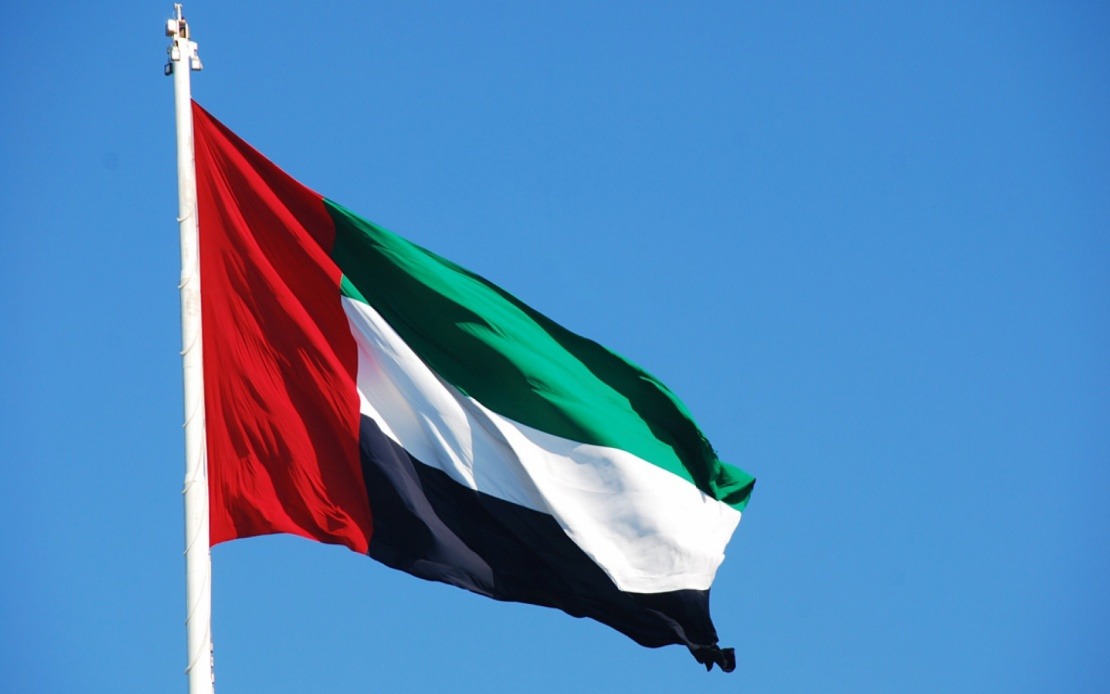
The United Arab Emirates has taken the significant step of freezing all commercial and financial relations with Iran, effectively drawing an economic line in a region already fraught with geopolitical instability. The move, announced by Afra Al Hameli, director of the Foreign Ministry's Strategic Communications Department, represents a notable escalation in UAE-Iran relations and signals Abu Dhabi's growing concern about the deteriorating security environment in the Gulf.
The decision comes against a backdrop of mounting tensions that have prompted regional states to reassess their economic partnerships. Al Hameli's statement indicated that the suspension would remain in effect indefinitely, with no timeline specified for potential restoration of economic ties. This open-ended approach suggests the UAE views the current crisis as requiring a sustained and comprehensive response rather than a temporary measure.
The timing of the announcement followed reports from the UAE Defence Ministry, which claimed to have detected two ballistic missiles originating from Iranian territory targeting maritime navigation routes in the region. These allegations, if substantiated, would represent a direct military challenge to Emirati sovereignty and explain the urgency behind the economic sanctions response. The incident highlights how quickly military confrontations can escalate into broader economic conflict between neighbouring states.
In defending the decision, Al Hameli reaffirmed the UAE's commitment to regional stability through dialogue and cooperation, framing the trade suspension as a reluctant but necessary response to deteriorating conditions rather than a preference for confrontation. The Foreign Ministry official emphasised that Abu Dhabi remains committed to advancing peace and prosperity through integration, suggesting that the door to resumed relations remains open should circumstances change. This rhetorical positioning allows the UAE to maintain diplomatic options even as it implements punitive economic measures.
A central component of the UAE's statement focused on safeguarding the integrity of the international financial system, signalling that Abu Dhabi intends to ensure compliance with global standards in its enforcement of the new restrictions. This emphasis on international law and global norms reflects the UAE's desire to present the suspension as justified under accepted international protocols rather than as an arbitrary political move. For Malaysian businesses with exposure to either market, this language suggests the restrictions will be comprehensive and rigorously enforced.
The Iranian response came swiftly and pointed, with Foreign Ministry spokesman Esmaeil Baqaei firmly rejecting allegations that his country had launched any missiles at the UAE. Baqaei characterised the accusations as inconsistent with principles of neighbourly conduct, implying that the UAE had breached diplomatic norms by making unsubstantiated claims. This conflicting narrative underscores the fundamental disagreement between the two nations about what actually occurred, complicating any path toward de-escalation.
For Southeast Asian observers and business communities, the UAE-Iran trade suspension carries substantial implications. The region has developed significant economic linkages with both nations, and any disruption to their bilateral commerce can create secondary effects throughout Asian supply chains. Malaysian companies engaged in re-export, trading, or financial services in the Gulf face uncertainty about how these restrictions will affect existing contracts and future opportunities in both markets.
The suspension also reflects broader patterns of economic weaponisation in Middle Eastern disputes. Rather than pursuing purely military escalation, the UAE has opted for economic coercion, demonstrating how modern interstate conflicts increasingly operate across multiple domains simultaneously. This approach can prove more sustainable than military confrontation while still imposing significant costs on the target nation.
Regionally, the measure signals that the Abraham Accords framework and other recent diplomatic initiatives have not eliminated underlying tensions between Gulf states and Iran. The UAE, despite its normalisation agreements with Israel and investment in dialogue mechanisms, has determined that strategic interests demand a hard economic line against Tehran. This suggests that normalisation between some regional actors coexists with deepening friction elsewhere.
For Malaysia and other ASEAN members maintaining relations with both the UAE and Iran, navigating these new restrictions will require careful attention to compliance requirements and potential secondary sanctions implications. Malaysian banks and trading houses must ensure their transactions do not inadvertently violate the suspension or expose them to liability under evolving international sanction regimes.
The economic consequences of the suspension extend beyond bilateral UAE-Iran commerce to encompass the broader Gulf trading ecosystem. Ports, logistics hubs, and financial centres throughout the region may experience disruptions as trade flows adjust to accommodate the new restrictions. Companies positioned as intermediaries or service providers in these networks face particular challenges in adapting to the changed environment.
Ultimately, the UAE's decision reflects a calculation that the security benefits of economic isolation outweigh the commercial costs of suspended ties with Iran. Whether this strategy contributes to de-escalation or further hardens positions remains uncertain. The indefinite nature of the suspension suggests neither side anticipates a quick resolution, pointing toward a prolonged period of economic separation and heightened regional tension.

