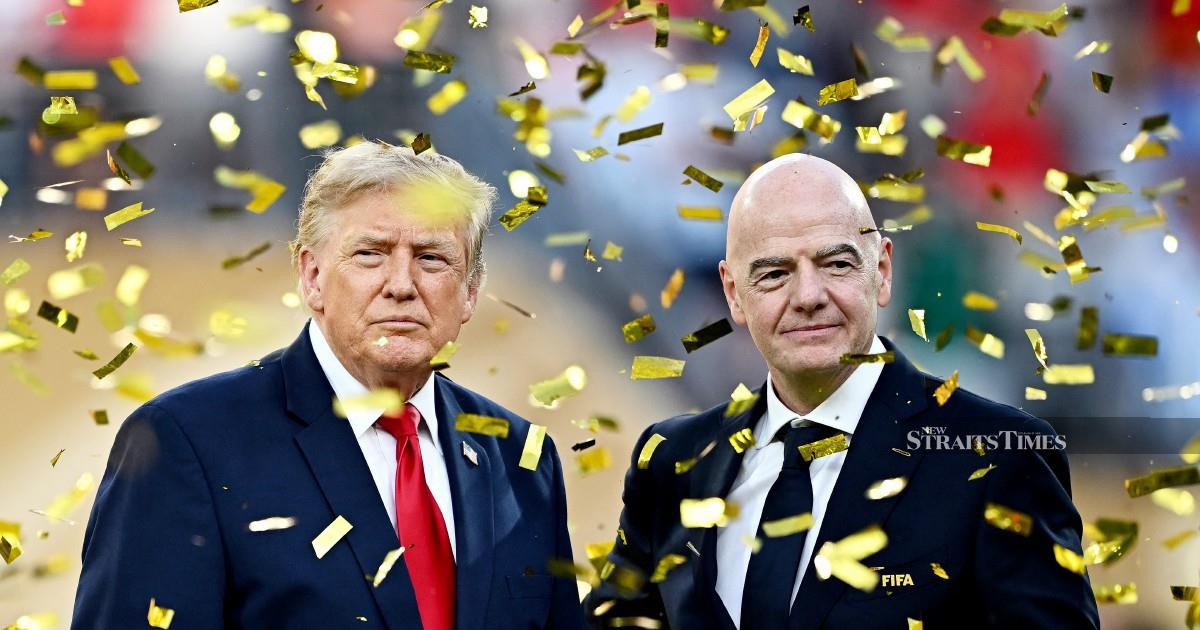
The Union of European Football Associations (UEFA) has formally notified FIFA President Gianni Infantino in writing of its intention to pursue legal action, marking a significant escalation in what has become an increasingly fractious relationship between European football's governing body and FIFA's leadership. The written communication also demands that Infantino preserve all documentation and materials pertaining to UEFA's planned sale of commercial rights—a directive that signals UEFA's determination to build a comprehensive case should litigation proceed.
The conflict centres on the disposal of commercial rights that UEFA views as essential to its operational autonomy and financial sustainability. European football generates enormous revenue streams, and decisions affecting how those rights are managed and monetised touch upon fundamental questions of governance and institutional independence. The dispute appears to reflect deeper anxieties within UEFA about FIFA's regulatory reach and the extent to which Infantino's administration can influence decisions that member confederations consider their prerogative.
Document preservation demands—sometimes called litigation holds—are standard practice in anticipated legal proceedings, as they prevent the destruction or alteration of evidence that may prove relevant to a case. UEFA's explicit issuance of such a demand suggests the organisation has moved beyond informal negotiation and is preparing for a formal legal contest. The specificity of the demand targets materials directly connected to the commercial transaction at issue, indicating UEFA has clearly identified what it considers the evidentiary foundation of its prospective claim.
The roots of this confrontation extend beyond a single transaction. FIFA under Infantino's leadership has pursued an increasingly expansive agenda regarding global football governance, seeking to coordinate activities and standardise procedures across confederations in ways that some argue exceed FIFA's traditional jurisdictional boundaries. UEFA, as the wealthiest and most powerful regional confederation, has frequently resisted what it perceives as overreach, particularly when Infantino's initiatives might compromise the autonomy that allows European football to operate independently and maintain its substantial commercial independence.
For Malaysian football observers and Southeast Asian sports governance more broadly, this dispute carries instructive lessons. The conflict underscores how global sports organisations navigate tensions between centralised authority and regional autonomy. Just as UEFA defends its operational independence from FIFA, Asian football confederation bodies—including the Asian Football Confederation (AFC)—must similarly balance cooperation with FIFA and AFC directives against the need to protect their own interests and those of their member nations.
Infantino's tenure as FIFA President has been marked by his attempts to modernise global football administration and expand FIFA's influence over commercial decisions that traditionally fell within confederations' purview. While some of these initiatives aim at transparency and standardisation, others have generated resistance from confederations that view such centralisation as threatening their revenue streams and decision-making authority. UEFA's legal posturing represents the most visible resistance to this centralisation agenda.
The commercial rights in question likely represent substantial sums, as European football's broadcast, sponsorship, and merchandising revenues constitute a significant portion of global football's economic value. UEFA's proprietary interest in controlling how these rights are sold and to whom reflects the confederation's status as a major stakeholder in world football's financial architecture. Any external interference in these decisions could theoretically diminish UEFA's negotiating leverage or alter the terms under which European clubs and national associations benefit from commercial arrangements.
The timing and formality of UEFA's written notification suggest that informal channels have proven insufficient to resolve the underlying dispute. When major sports organisations resort to documented legal threats rather than continued negotiation, it typically indicates that the parties view compromise as difficult or impossible and that reputational concerns have given way to substantive disputes that demand legal resolution. This shift from diplomatic manoeuvring to explicit legal threat signals a fundamental breakdown in the institutional relationship.
Moreover, UEFA's demand for document preservation serves a strategic function beyond its immediate legal purpose. Public disclosure of such demands—as has occurred through media reporting—communicates to stakeholders that UEFA is willing to contest Infantino's authority and prepared to defend its interests through litigation if necessary. This public positioning may influence how FIFA's governing bodies consider similar matters and could strengthen UEFA's negotiating position by demonstrating resolve.
The broader implications for global football governance are substantial. If UEFA proceeds with litigation, courts may be compelled to adjudicate questions that have traditionally been resolved through internal sports governance mechanisms. This potential judicial involvement could reshape how FIFA, UEFA, and other confederations exercise authority, particularly regarding commercial matters where substantial financial interests are at stake. Precedent established through this case could influence future disputes between FIFA and other regional confederations.
For Southeast Asian football, developments in this UEFA-FIFA dispute merit close attention. Should UEFA's legal challenge succeed in establishing limits on FIFA authority regarding confederation-level commercial decisions, it could create opportunities for AFC members to argue for greater autonomy in managing their own commercial arrangements. Conversely, if Infantino's position prevails, it may embolden further centralisation of global football governance under FIFA's direction, with implications for how Asian confederations operate.
The coming weeks will clarify whether formal litigation actually materialises or whether the threat of legal action prompts renewed negotiation. Either way, UEFA's decision to escalate through written legal notice represents a watershed moment in contemporary football governance, one that challenges the existing power distribution within global football's institutional structure and raises fundamental questions about how international sports organisations should balance centralised coordination with confederation autonomy.

