Universiti Teknologi MARA's Kelantan campus is launching a fresh push to convince economically disadvantaged students that financial constraints should not prevent them from enrolling in higher education programmes. The initiative comes as competition for places at Malaysia's public universities intensifies, making officials increasingly concerned that promising candidates from low-income families may unnecessarily abandon educational opportunities due to cost concerns.
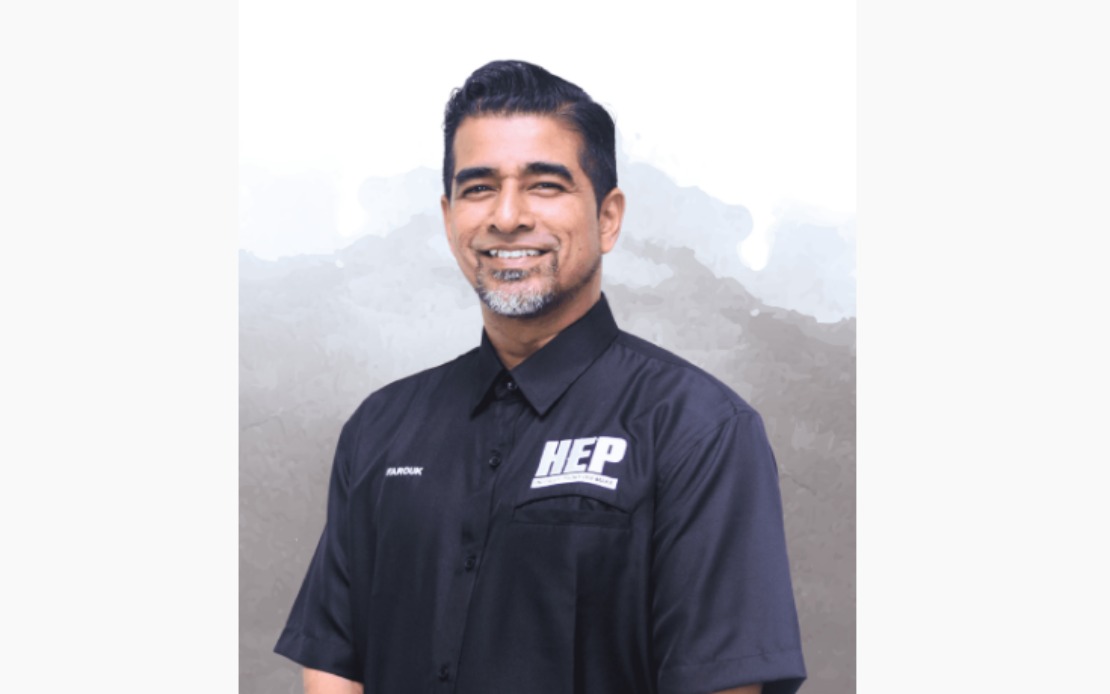
Meer Zhar Farouk Amir Razli, the deputy rector for student affairs at UiTM Kelantan, emphasized that prospective students need not depend exclusively on PTPTN loans to finance their studies. Instead, the university has established a comprehensive ecosystem of support mechanisms designed specifically to address the financial hardships faced by underprivileged learners throughout their academic journey.
Beyond conventional loan schemes, UiTM Kelantan administers zakat assistance programmes that provide direct financial relief to qualifying students. The university also operates dedicated welfare funds intended to alleviate unexpected expenses that might otherwise force students to withdraw from their courses. These mechanisms represent attempts to address the real barriers that prevent talented individuals from disadvantaged backgrounds from accessing tertiary education.
A particularly innovative support structure is the Dapur MADANI initiative, which operates within the university's residential colleges. This programme helps students manage their daily living expenses by providing subsidized meal facilities and other essentials, thereby reducing the monthly out-of-pocket costs that often burden dormitory residents. The initiative reflects an understanding that university success depends not only on tuition assistance but also on ensuring students can afford basic necessities while studying.
Meer Zhar stressed that prospective enrollees and their parents should thoroughly investigate all available assistance options before making the difficult decision to reject admission offers. This advisory reflects recognition that many qualified candidates withdraw from higher education prematurely, believing financial support is unavailable or insufficient, when in reality they have access to resources they never discovered.
The university's Rector's Cakna Programme represents a community-focused approach to reaching out to newly admitted students in need. This initiative operates in partnership with local non-governmental organisations, extending the reach of support systems beyond campus boundaries into the communities where economically vulnerable students live. The collaborative model acknowledges that effective support requires coordination between educational institutions and grassroots organisations already embedded within society.
The programme's practical impact became evident when Meer Zhar presented a laptop to Norzarra Dhania Amir Abdullah, a nineteen-year-old from a low-income household in Kota Bharu. The gesture, delivered to her residence on Jalan Kebun Sultan, exemplified how UiTM Kelantan translates its support commitments into concrete assistance. Technology access has become fundamental to academic success, and providing devices removes a significant obstacle faced by students lacking resources to purchase their own equipment.
Norzarra Dhania's personal circumstances underscore why such targeted assistance matters. As the eldest of seven siblings, she carries family responsibilities that weigh heavily on educational decisions. Her household depends entirely on her mother's wages as a restaurant assistant, while her father has been unable to work for four years due to diabetes. In this context, university attendance represents not merely personal advancement but also potential family economic mobility across generations.
When she previously received an offer to study at UiTM Sarawak, Norzarra Dhania reluctantly declined because enrolling in that distant location would have imposed unmanageable transportation and accommodation costs on her financially strained family. However, her acceptance of a Diploma in Management offer at UiTM Kelantan this year reflects how institutional geography affects educational access. The campus's proximity to her hometown substantially reduces expenses, allowing her to contribute to household management while pursuing qualifications that will expand her career prospects.
Her trajectory illustrates broader dynamics within Malaysia's higher education landscape. Competitive pressure for undergraduate places continues escalating as the cohort of school-leavers grows and institutional slots remain relatively constant. In this environment, students from privileged backgrounds possess advantages that enable them to absorb rejections and pursue alternative pathways. Conversely, economically vulnerable students often view their single offer as a now-or-never opportunity, making transparent communication about financial assistance essential for ensuring talent from all socioeconomic backgrounds reaches tertiary institutions.
The emphasis on encouraging rather than merely permitting underprivileged students to enrol reflects evolving institutional philosophy. Universities increasingly recognise that their social contribution extends beyond accepting qualified applicants to actively removing barriers that prevent economically disadvantaged candidates from completing their studies. This responsibility extends through graduation, as dropout rates among low-income students remain disproportionately high compared to their affluent peers.
For Malaysian policymakers and educators, the UiTM Kelantan initiative offers a model for how institutions can leverage existing resources—zakat programmes, welfare mechanisms, and partnerships with NGOs—to expand access beyond formal scholarship awards. The approach acknowledges that financial support exists within Malaysia's existing institutional and community frameworks, but only if prospective students and families know where to find it and how to access it.
As regional higher education competition intensifies across Southeast Asia, with students increasingly considering regional alternatives, Malaysian universities must ensure that domestic talent chooses local institutions partly because comprehensive support systems make enrolment feasible regardless of family income. The Kelantan campus's transparent advocacy for exploring available assistance options before rejecting offers represents a necessary step toward converting institutional support programmes into genuinely transformative opportunities for students from economically vulnerable backgrounds.