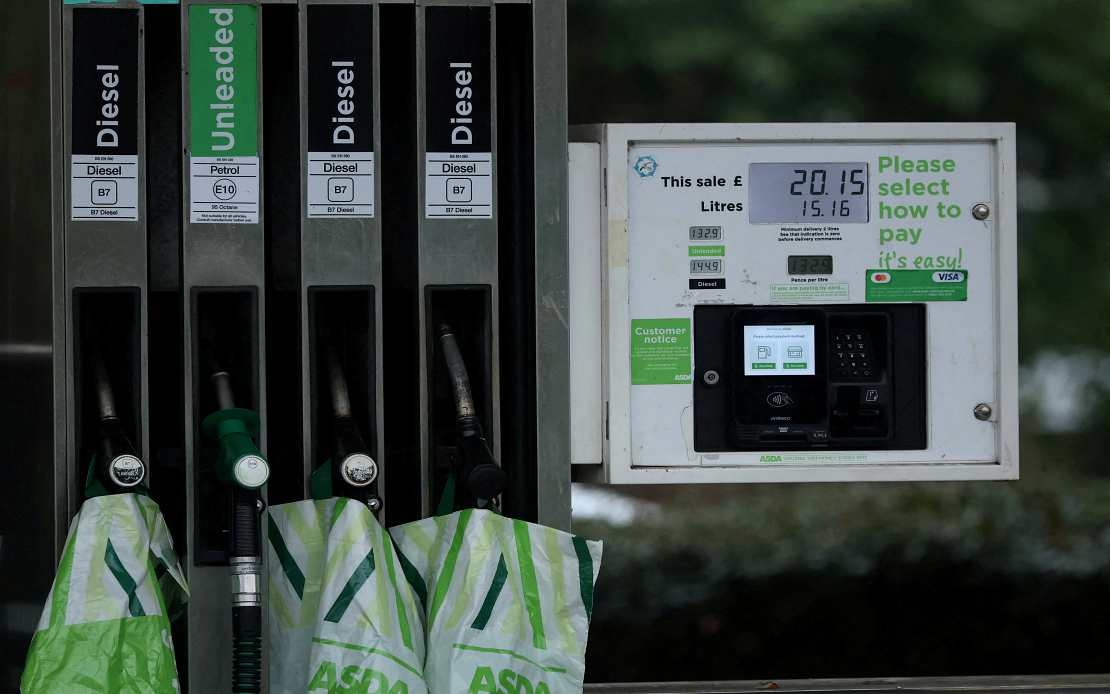
The cost of conflict halfway across the world is now being felt at British petrol pumps in an unexpected way. Since the Iran oil crisis erupted on February 28, fuel theft has become a growing problem for UK forecourts, with motorists making off with nearly £200,000 worth of fuel each day without payment. Analysis from Forecourt Eye, a fuel theft prevention specialist, reveals a troubling trend that extends beyond simple opportunism to reflect broader economic pressures facing consumers across the nation.
The data tells a striking story. In the five months following the conflict's outbreak, reported incidents of fuel theft climbed 20 percent compared to the equivalent period beforehand. However, the true financial impact is even more severe: the value of stolen fuel rose by 48 percent over the same timeframe, reaching an estimated daily loss of £194,000 across the UK's 8,359 petrol stations. This widening gap between the number of incidents and their financial impact reflects a fundamental shift in the economics of fuel pricing, where war-driven supply concerns have dramatically altered what motorists must pay at the pump.
Petrol prices have climbed substantially in response to Middle Eastern tensions. The average litre of petrol reached 160 pence by early August, representing a spike of approximately 27 pence from pre-conflict levels and marking the highest price seen in three and a half years. Diesel has been similarly affected, with prices rising 37 pence per litre to an average of 179 pence. For households already stretched by rising living costs, these increases represent a meaningful portion of family budgets, potentially explaining why more drivers are resorting to theft.
The composition of fuel theft offences reveals important distinctions. Among first-time offenders, incidents increased 23 percent whilst the actual volume of fuel stolen rose 26 percent. Repeat offenders showed smaller increases of 17 and 20 percent respectively. This suggests that the crisis has pushed ordinary motorists into criminal behaviour, not simply encouraged existing offenders to steal more frequently. The data emerges from analysis of 550 petrol stations, representing a statistically significant sample across the UK network. Theft incidents encompass both drive-offs where no attempt at payment is made and situations where customers claim inability to pay after filling their tanks.
Independent petrol station operators are experiencing the brunt of this criminal activity, alongside mounting hostility from frustrated customers. Gordon Balmer, executive director of the Petrol Retailers Association representing independent operators, describes increasing reports of abuse and aggression directed at staff members. These workers often become targets for customer frustration despite having no control over pricing decisions. The situation reflects a broader disconnect where consumers conflate independent retailers with the multinational oil companies whose branding adorns their pumps.
This perception gap creates a particular vulnerability. Ben Lawrence, director of Lawrences Garages which operates five stations in Norfolk and Hampshire, highlights a misconception that major branded forecourts are typically owned and operated by oil giants like BP and Shell. Many motorists therefore believe that theft from these locations causes minimal harm to actual individuals. However, the reality is starkly different: when a driver makes off with £80 to £90 worth of fuel, that loss hits the independent small business operator directly, not the multinational corporation. Lawrence notes that historically, fuel theft was predominantly committed by individuals engaged in other criminal activities. The current surge, however, reflects how cost-of-living pressures are compelling ordinary people without criminal backgrounds to commit theft.
The industry response involves technological intervention and cooperation. Forecourt Eye is partnering with Facewatch to provide free crime-reporting technology to petrol station operators, enabling easier documentation of fuel thefts alongside other criminal incidents and shop crime. The system includes optional access to a live facial recognition network operated by Facewatch, designed to alert operators when known offenders approach their premises. Michelle Henchoz, managing director of Forecourt Eye, emphasises that as criminal activity becomes increasingly organised and sophisticated, retailers require integrated technological solutions protecting both forecourt operations and associated convenience stores.
The broader implications for retail security and public behaviour warrant consideration. Fuel stations have traditionally operated on trust-based systems where payment follows fuel dispensing, creating inherent vulnerability. As economic pressures mount and fuel costs escalate beyond historical norms, this model faces strain. The 48-percent increase in the value of stolen fuel—far exceeding the 20-percent increase in theft incidents—demonstrates how inflation amplifies losses even when behavioural change is relatively modest. For Malaysian readers, this situation offers perspective on how commodity price volatility originating in geopolitical crises can cascade through global supply chains, ultimately affecting consumer behaviour and business operations regardless of geographical distance from the conflict zone.
The convergence of geopolitical tension, commodity market dynamics, and consumer desperation creates a perfect storm for retail businesses. UK petrol station operators face losses that compound monthly, coupled with increased staff safety concerns and operational complexity. Industry bodies and individual retailers view technological solutions as necessary but acknowledge these represent cost additions during periods of already-stressed margins. The situation underscores how international conflicts and energy security concerns reverberate through everyday commerce, reshaping behaviour and forcing businesses to invest in security infrastructure previously considered unnecessary. For independent operators already working with tight margins, this represents a significant additional burden.

