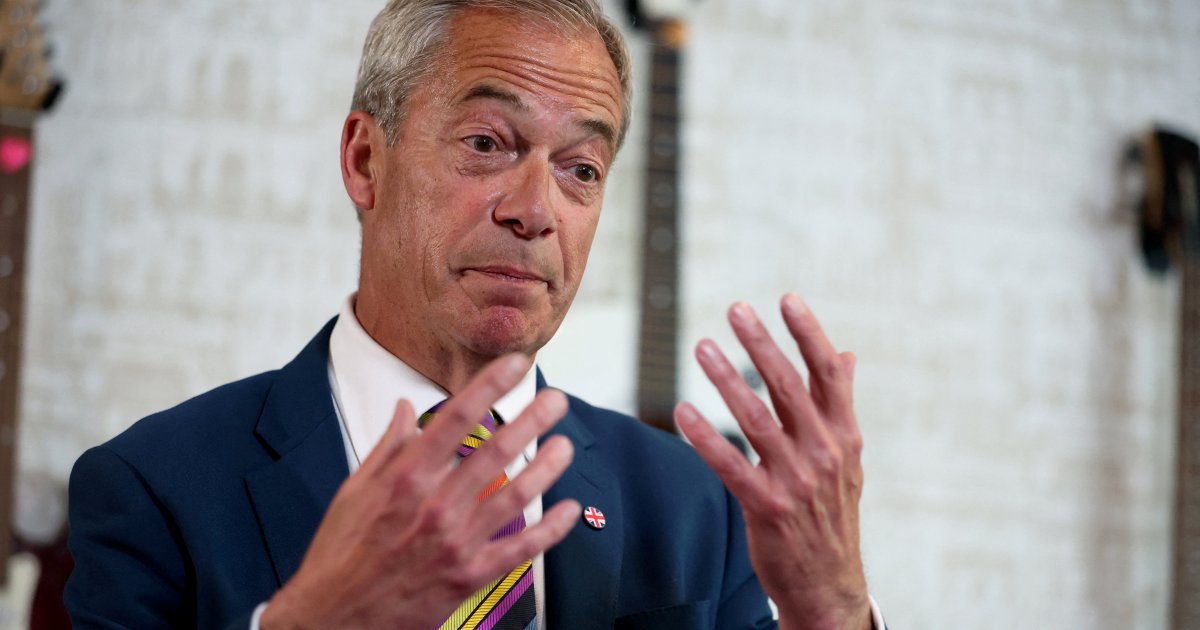
British hard-right politician Nigel Farage has become embroiled in a fresh controversy over gift disclosure, triggered by newspaper allegations that a convicted fraudster bankrolled his security and staffing operations prior to his election to Parliament. The latest revelation adds another chapter to persistent questions surrounding the transparency of Farage's financial arrangements and potential conflicts of interest.
The allegations centre on whether Farage properly declared benefits received from an individual with a criminal conviction for fraud. Such non-disclosure of gifts would potentially breach parliamentary rules governing members' financial declarations, which require MPs to record any substantial benefits received that might influence their parliamentary conduct. The timing of the disclosure raises questions about Farage's vetting processes for financial supporters and his compliance with transparency obligations.
Farage, who has wielded considerable influence over British politics through his leadership of the Brexit Party and Reform UK, has consistently positioned himself as an outsider challenging political establishments. Yet these allegations suggest potential vulnerabilities in his own adherence to the regulatory frameworks he may have criticized. For Malaysian observers following British political developments, the controversy illustrates how even populist figures advancing anti-establishment agendas must navigate institutional accountability mechanisms.
The involvement of a convicted fraudster in Farage's financial arrangements raises broader concerns about due diligence in political funding. While Farage's supporters may view such scrutiny as establishment overreach, the substance of the allegations—that funds came from someone with a history of dishonest dealings—presents legitimate governance questions. The nature and extent of the fraudster's conviction would be material to assessing whether Farage exercised appropriate judgment in accepting assistance.
Parliamentary gift disclosure rules exist to maintain public confidence in the integrity of the legislative process. When MPs fail to declare received benefits, they undermine the transparency essential for democratic accountability. This principle resonates across Commonwealth democracies, including Malaysia, where concerns about financial transparency in political financing remain perennial issues. The Farage situation demonstrates that even established democracies with long institutional histories face ongoing challenges in enforcing disclosure standards.
The timing of this revelation assumes significance given Farage's continued prominence in British politics. As Reform UK positions itself for electoral opportunities and potential parliamentary representation, public trust in his adherence to ethical standards becomes increasingly consequential. Voters assessing his credibility must weigh these allegations against his other political commitments and track record. The controversy threatens to complicate his political narrative regardless of the eventual resolution.
For context, Farage has previously faced scrutiny over his expenses and financial arrangements. These recurring questions suggest either a pattern of careless record-keeping or more deliberate opacity regarding his funding sources. Either interpretation poses difficulties for a politician claiming to represent outsider interests and demanding greater accountability from traditional power structures. Credibility depends partly on demonstrated consistency between stated principles and actual conduct.
The investigation into these allegations will likely proceed through parliamentary authorities responsible for enforcing disclosure rules. Depending on their findings, potential consequences could range from simple non-compliance letters to more formal sanctions. The UK Parliament's Standards Committee would ultimately determine whether violations occurred and what remedial action might be warranted. Such processes, while sometimes appearing slow, do eventually hold even prominent politicians accountable to institutional standards.
Beyond the immediate controversy, these allegations reflect broader questions about political financing in contemporary democracies. The reliance on wealthy individuals or questionable funding sources creates vulnerability to later revelations and potential compromises to political independence. For aspiring politicians in any jurisdiction, including Southeast Asia, the Farage case underscores the prudence of maintaining scrupulous transparency records and avoiding even the appearance of impropriety with individuals of dubious character.
The reaction from Farage's supporters and opponents will likely diverge sharply, following predictable partisan lines. Those committed to his political project may dismiss the allegations as selective prosecution by hostile media or opponents, while critics will cite them as evidence of hypocrisy. Neither response necessarily addresses the underlying factual questions about what gifts were received, by whom, and whether proper disclosure occurred. Resolving these questions requires objective investigation focused on documentary evidence rather than political positioning.
Looking forward, the resolution of this controversy will influence Farage's political trajectory and public standing. Should investigations confirm material non-disclosure, reputational damage could extend beyond the immediate controversy to broader questions about his judgment and trustworthiness. Conversely, if investigations determine that proper procedures were followed or that no violations occurred, Farage might view vindication as validation against critics. Either outcome will carry implications for how voters assess his credibility and fitness for elected office.
For the British political system more broadly, these allegations reinforce the importance of maintaining robust disclosure frameworks and enforcement mechanisms. As populist movements across democracies challenge traditional power structures, ensuring that their leaders meet the same transparency standards as their opponents remains crucial to institutional integrity. The Farage case, whatever its ultimate resolution, serves as a reminder that democratic accountability applies equally to all participants in the political process, regardless of their outsider credentials or popular support.

