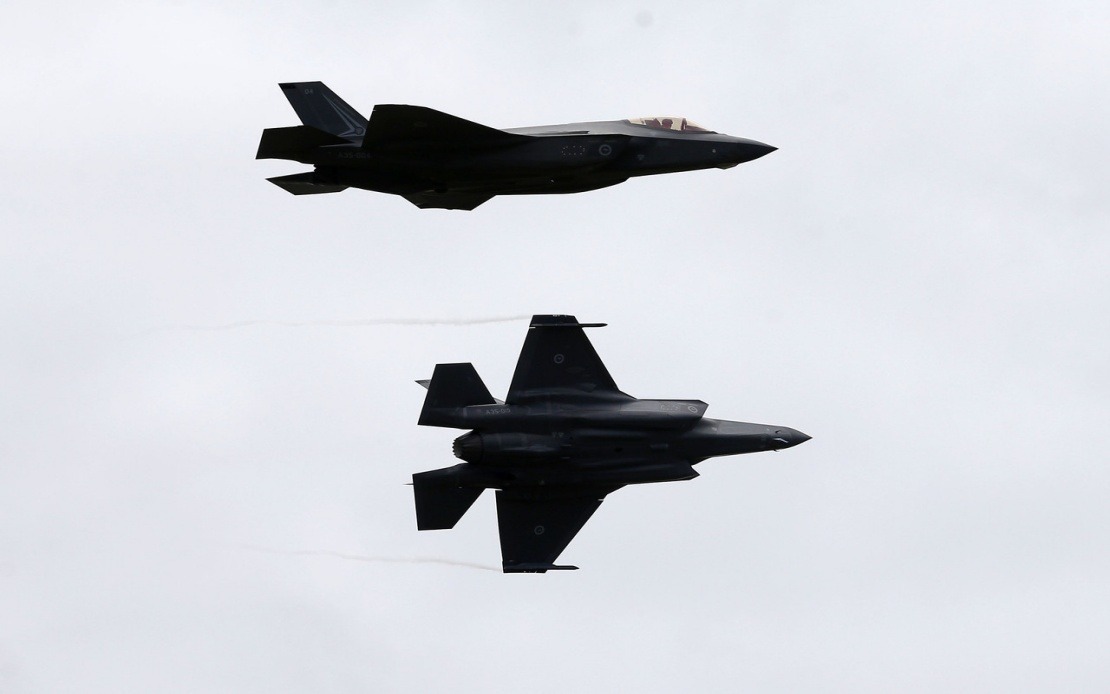
Three major aerospace powers have taken a significant step forward in their collaborative defence initiative, signing a substantial contract worth £4.6 billion (US$6.1 billion) to accelerate the development of an advanced stealth fighter aircraft. The agreement between the United Kingdom, Italy, and Japan represents a pivotal moment for the Global Combat Air Programme, a multinational effort aimed at producing a sixth-generation combat aircraft for operational deployment by 2035.
The contract channels considerable resources into the next critical phase of the programme, with particular emphasis on aircraft design and the establishment of detailed performance requirements. Both the design phase and extensive testing protocols will consume much of the funding, as the three nations seek to define the technical specifications that will distinguish this fighter from its predecessors. The project carries significant strategic weight, as sixth-generation fighters are expected to incorporate capabilities that current fifth-generation aircraft, such as the F-35, cannot match.
For the United Kingdom, this programme forms a cornerstone of its post-Brexit defence strategy and technological sovereignty. The RAF intends to integrate the new fighter into its force structure alongside existing Typhoon and F-35 inventory, creating a layered air defence capability supported by autonomous systems and networked capabilities. British officials emphasise that the aircraft will leverage cutting-edge digital engineering, artificial intelligence, and novel technologies to ensure superior performance in future operational environments, underscoring London's commitment to maintaining air superiority in the decades ahead.
The actual development work will be executed by Edgewing, a joint venture established in 2025 by three leading aerospace manufacturers: Britain's BAE Systems, Italy's Leonardo, and Japan Aircraft Industrial Enhancement Co. Ltd. (JAIEC). This industrial structure mirrors a growing trend in defence procurement, whereby major projects are governed through specially formed consortiums that allow participating nations to retain strategic oversight while pooling technical expertise and financial resources. Each nation's defence industry brings distinct capabilities to the partnership, with BAE Systems contributing fighter design experience, Leonardo bringing advanced avionics and systems integration expertise, and JAIEC providing innovative aerospace manufacturing solutions.
The tripartite nature of this arrangement holds particular significance for Southeast Asian security dynamics. Japan's involvement in European-led defence projects reflects Tokyo's expanding role in global security partnerships beyond its traditional focus on the Indo-Pacific. As tensions persist in East Asia, Japan's participation in advanced weapons development with Western allies demonstrates the deepening integration of security arrangements across regions. For nations in Southeast Asia monitoring great power competition, such collaborations underscore how defence innovation increasingly transcends geographical boundaries.
The timeline for this programme is ambitious yet realistic given the complexity involved. Development contracts typically span a decade or more for sixth-generation systems, and the 2035 service entry target allows sufficient time for design maturation, prototype construction, and exhaustive flight testing. However, maintaining schedule discipline across three sovereign nations with distinct bureaucratic processes and budgetary cycles presents genuine challenges that project managers must navigate carefully.
The financial commitment reflects the escalating costs of advanced military aircraft development. Sixth-generation fighters incorporate systems—such as advanced sensors, adaptive propulsion, directed energy weapons integration, and AI-assisted autonomous operation—that remain largely experimental. The R&D expenditures associated with maturing these technologies dwarf those of previous generations, making international burden-sharing increasingly attractive to participating governments seeking to distribute financial risk.
This programme also carries implications for the broader industrial competition in aerospace and defence. As Western nations invest heavily in next-generation platforms, other powers including China and Russia are pursuing parallel initiatives. The competitive dynamics driving such investments create secondary effects throughout global defence supply chains, influencing component development, manufacturing capacity, and technological standards that eventually cascade into commercial aerospace sectors affecting airlines and supply chains throughout Asia-Pacific regions.
The integration of AI and autonomous systems into the GCAP fighter represents perhaps the most significant departure from current doctrine. Unlike fifth-generation fighters that emphasise sensor fusion and pilot-machine interfaces, sixth-generation systems are expected to operate with substantial autonomous capability, potentially executing complex tactical manoeuvres and decision-making with minimal human intervention. This technological evolution raises strategic questions about human control in combat operations, a debate that will intensify as these systems approach operational readiness.
For Malaysia and other Southeast Asian nations, the emergence of sixth-generation fighters in allied hands carries multiple implications. Enhanced allied air capabilities in the broader region could provide deterrent effects against regional instability, though some nations may perceive such developments as tilting regional military balances. Additionally, the advanced technologies developed through the GCAP programme often transition to allied air forces through technology transfer agreements, potentially affecting the regional distribution of military capabilities and interoperability frameworks among partners.
The partnership between the UK, Italy, and Japan also demonstrates how traditional Western alliances are expanding beyond Cold War structures. Italy's participation reflects NATO's broadening security interests extending into Indo-Pacific security, while Japan's involvement signals Tokyo's integration into Western defence innovation ecosystems. This reconfiguration of international partnerships carries lasting implications for how defence relationships, technology transfers, and interoperability standards evolve across the coming decade.

