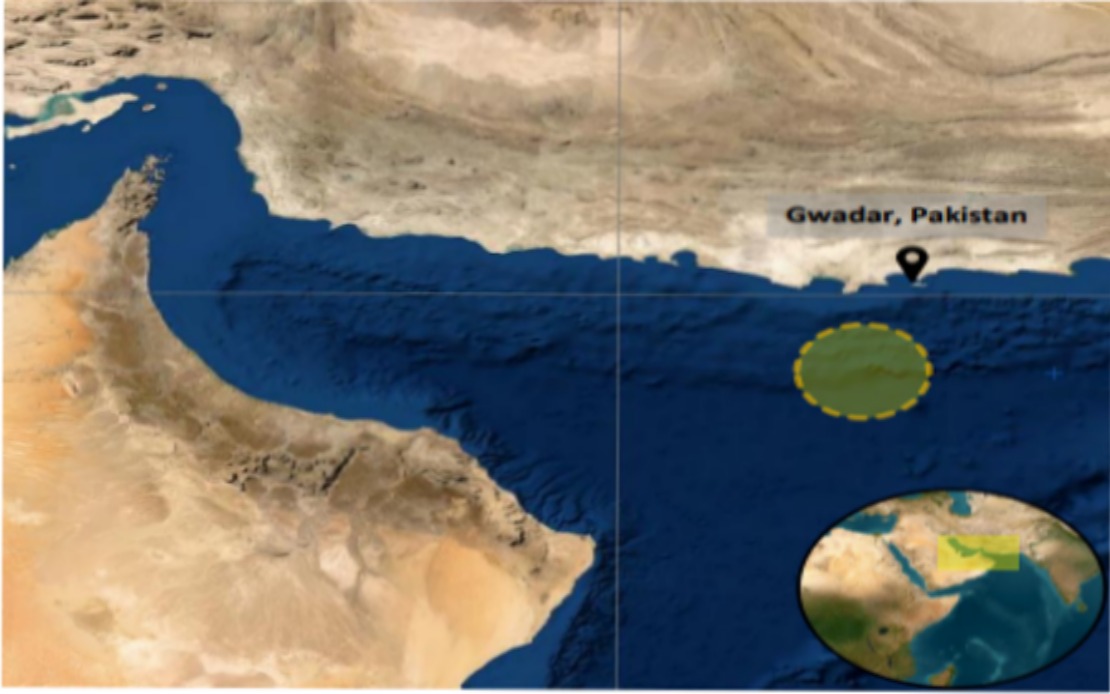
A maritime incident involving a tanker and military forces has been reported in the Gulf of Oman near Gwadar on Pakistan's southwestern coast, according to the UK Maritime Trade Operations agency. The development underscores the persistent security challenges facing commercial shipping in one of the world's most strategically critical waterways, where billions of dollars in global trade flows annually through constrained maritime corridors.
The UKMTO issued an advisory on Tuesday cautioning all vessels operating in the region to review the most recent maritime security assessments and remain vigilant about the unpredictable operational environment. This kind of warning from the UK agency serves as an early alert mechanism for the international shipping community, signalling that conditions warrant heightened precautions rather than routine transit procedures.
Authorities have confirmed their awareness of the incident, with investigations continuing to establish the full scope of what occurred. However, the initial advisory released by UKMTO contained limited specifics regarding the identity of the vessel involved, whether any crew members sustained injuries, or the extent of any structural damage that may have been sustained during the encounter.
The incident arrives against a backdrop of intensifying military tensions between the United States and Iran centred on the Strait of Hormuz and surrounding waters. Over recent months, this region has witnessed several confrontations and near-misses involving naval and military aircraft from both nations, creating an atmosphere of unpredictability that poses genuine risks to commercial shipping transiting these waters.
For Malaysia and other Southeast Asian nations with significant maritime trade interests, such incidents in the Middle East carry substantial economic ramifications. A significant portion of regional shipping, particularly vessels carrying petroleum products and raw materials destined for Asian markets, must traverse these exact waters. Any escalation in military activity or deliberate targeting of commercial vessels creates supply chain vulnerabilities and raises insurance costs for Malaysian exporters and importers.
The Gulf of Oman and Strait of Hormuz together represent a chokepoint through which approximately one-third of the world's seaborne oil exports pass. Disruptions to shipping in this corridor have immediate consequences for global energy prices and Asian economies that depend heavily on Middle Eastern oil and gas imports. Malaysia's own energy security calculations take into account the stability of these crucial sea lanes.
Previous incidents in these waters have ranged from alleged drone attacks on tankers to direct military interception of vessels. The ambiguity surrounding the exact nature and cause of each incident often reflects the fog of maritime conflict and the difficulty in establishing attribution when military assets operate in contested zones without formal rules of engagement.
The UKMTO's measured but cautionary language suggests that while the incident has been contained, the underlying conditions that produced it remain unresolved. Shipping industry analysts have noted that such advisories frequently understate the severity of actual incidents to avoid triggering panic buying or speculative trading in energy markets.
Regional maritime surveillance has become increasingly sophisticated, with multiple nations and private operators monitoring shipping patterns, military movements, and potential flash points. However, the sheer volume of traffic and the complexity of military operations in congested waters mean that incidents continue to occur with limited warning.
For Malaysian shipping companies and logistics operators, the practical implications include elevated insurance premiums, longer transit times as vessels take circuitous routes to avoid high-risk zones, and increased operational costs. Some Malaysian-linked vessels have begun transiting alternative routes around the African continent, adding weeks to journey times but reducing exposure to Middle Eastern security risks.
The ongoing investigation into this specific incident will likely take considerable time to reach definitive conclusions, particularly given the jurisdictional complexities when incidents occur in international waters or near territorial boundaries. Pakistan's position near the incident location adds a regional dimension that may require diplomatic coordination in the fact-finding process.
Shipping companies operating in Asian waters face a calculus in which they must balance the cost savings of using the shortest maritime routes through the Strait of Hormuz against the security risks and insurance costs associated with those passages. As regional tensions persist, this strategic equation becomes increasingly complex and costly for maritime commerce throughout the Asia-Pacific region.

