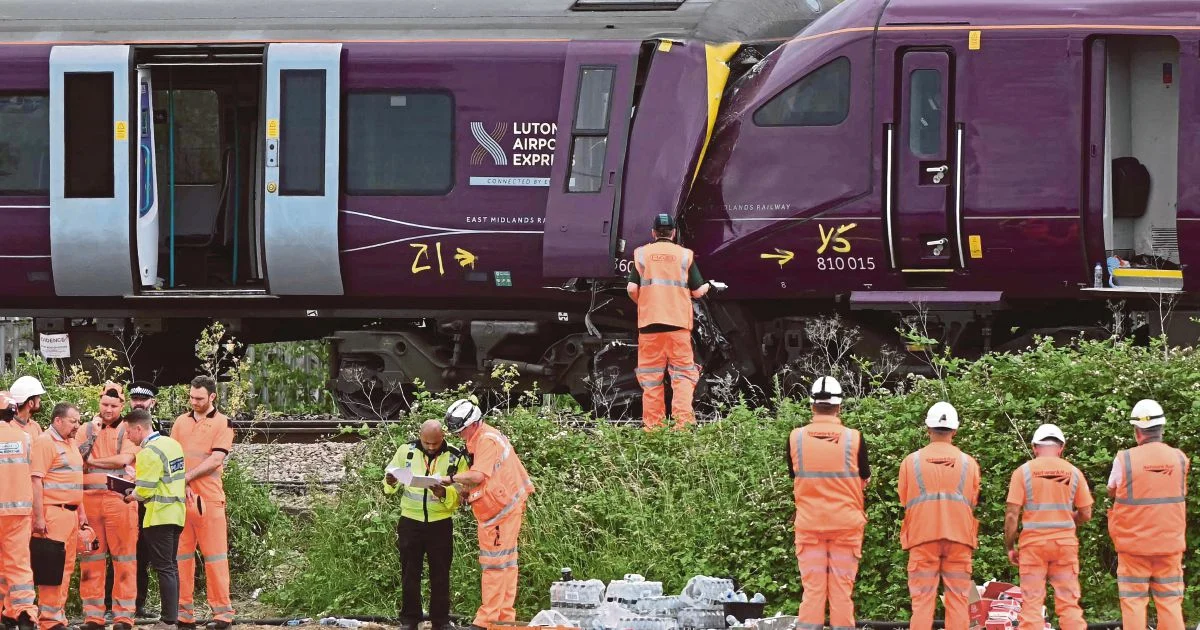
A fatal train collision near Bedford, just north of London, has triggered a major investigation by UK accident authorities as emergency services continue managing the fallout from Saturday's incident. The crash claimed the life of one driver while leaving 28 people hospitalised, with nine among them facing life-threatening injuries. The scale of casualties and the severity of conditions among the injured underscore the dramatic nature of the collision, which has prompted rapid mobilisation of investigators and medical resources across the region.
The incident highlights the complexity of rail safety systems in one of Europe's oldest and busiest rail networks. Collisions of this magnitude are relatively rare in contemporary UK rail operations, yet when they occur, they invariably prompt comprehensive examinations into the technical, operational, and human factors that contributed to the event. Accident investigators arriving at the scene on Saturday began the methodical process of gathering evidence, interviewing witnesses, and analysing data from onboard systems that record operational parameters at the moment of impact.
For Malaysian and Southeast Asian observers, such incidents offer sobering lessons about the importance of rigorous safety protocols in rail infrastructure. While Malaysia's rail network, including the KTM and various light rail systems, operates under different technological and regulatory frameworks than the UK, fundamental principles of collision avoidance, emergency response coordination, and continuous safety evaluation remain universally applicable. The Bedford incident demonstrates that even developed nations with sophisticated rail systems must remain vigilant against complacency.
The investigation will likely examine multiple factors contributing to the collision. These typically include adherence to signalling systems, driver training and fatigue levels, maintenance records of rolling stock, track conditions, and whether any operational procedures were breached. Modern trains are equipped with sophisticated data recorders and communication systems that preserve detailed information about speed, braking applications, and system alerts in the moments preceding any accident. This technical evidence, combined with witness accounts and physical examination of the damaged trains, provides investigators with a comprehensive picture of events.
Emergency response coordination in the immediate aftermath of such incidents proves critical for survival outcomes. The dispatch of 28 individuals to hospital, with nine requiring intensive care, suggests that emergency services implemented well-coordinated protocols for triage, evacuation, and transportation to appropriate medical facilities. The Bedford area, being in close proximity to London, benefits from access to major trauma centres capable of managing the most severe injuries sustained in high-impact transport accidents.
The incident raises broader questions about railway safety culture and whether existing safeguards adequately prevent such collisions. The UK rail industry has invested substantially in collision avoidance technology in recent decades, including automated train protection systems designed to prevent speed-related accidents and automatic braking systems triggered by signal violations. Understanding how these systems functioned, or why they may not have prevented the collision, will form a critical component of the investigation.
For passengers throughout the UK rail network, such events inevitably generate anxiety about travel safety. However, statistical evidence consistently demonstrates that rail transport remains among the safest modes of long-distance travel when measured against incidents per journey or per passenger-mile. Nevertheless, any collision resulting in fatalities and serious injuries demands thorough investigation and remedial action where deficiencies are identified.
The driver who died represents a particular tragedy within the broader incident. Train drivers occupy positions of critical responsibility within rail operations, tasked with controlling enormous masses of metal travelling at high speeds. Their actions, adherence to safety protocols, and ability to respond to emergencies form essential safeguards within the system. While investigations must objectively assess all contributing factors, the loss of a driver in such circumstances often carries particular weight within railway professional communities.
Southeast Asia's rapidly expanding rail networks, including planned high-speed rail corridors and metro systems across the region, must absorb lessons from incidents like the Bedford collision. As nations like Malaysia, Thailand, and Indonesia invest in modern rail infrastructure to support growing urban populations and facilitate commerce, the importance of implementing comprehensive safety systems, rigorous training regimes, and investigative capacity cannot be overstated. International cooperation and knowledge-sharing about accident investigation findings enhance collective rail safety across regions.
The investigation process in the UK will likely extend over weeks or months as various technical analyses are completed and reports compiled. The Rail Accident Investigation Branch, the designated UK authority for such investigations, typically produces comprehensive reports that identify contributing factors and recommend preventive measures. These reports often lead to operational changes, infrastructure modifications, or technology upgrades implemented across the broader railway network.
For the injured currently hospitalised, recovery will proceed at varying timelines depending on injury severity. The nine in critical condition face uncertain prognoses requiring intensive medical intervention. Beyond immediate medical treatment, many survivors will require psychological support as they process trauma from the collision. Railway operators typically provide such support as part of their duty of care following major incidents.
The Bedford collision serves as a sobering reminder that despite technological advances and safety investments, the inherent hazards of operating trains at scale remain. Continued vigilance, investment in safety systems, professional training, and honest investigation when incidents occur remain non-negotiable requirements for modern rail operations throughout developed and developing economies alike.