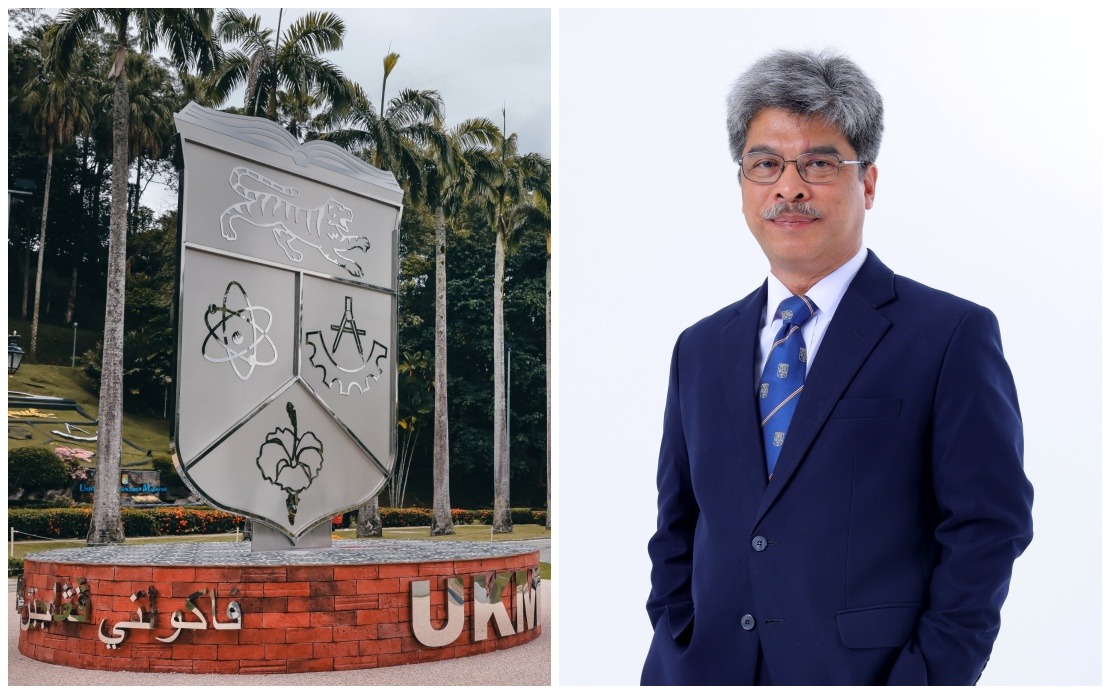
Universiti Kebangsaan Malaysia (UKM) has signalled its readiness to play a central role in shaping Malaysia's forthcoming higher education legislation. The country's premier national university announced its intention to provide comprehensive academic and legal expertise as the Ministry of Higher Education embarks on the consultation process for the One Higher Education Act, a sweeping reform designed to replace the Universities and University Colleges Act 1971 (AUKU). Vice-chancellor Prof Datuk Dr Sufian Jusoh framed UKM's involvement as part of the institution's broader commitment to advancing Malaysia's higher education system in line with contemporary governance standards and global best practices.
The proposed legislative overhaul represents one of the most significant institutional shifts in Malaysian higher education in half a century. Prime Minister Datuk Seri Anwar Ibrahim had previously committed to abolishing AUKU, citing the need to restore democratic freedoms and expand space for legitimate student activism on university campuses. The government subsequently outlined a comprehensive replacement framework within the Malaysia Higher Education Plan (RPTM) 2026-2035, establishing the intellectual foundation for legislative reform. This strategic approach signals recognition that the 1971 Act, while historically important, no longer adequately addresses the complexities of 21st-century university governance, institutional autonomy, and the dynamic relationship between higher education and national development.
UKM's proactive offer to contribute expertise extends beyond mere technical assistance. The university envisions itself as a catalyst for inclusive dialogue involving multiple constituencies within the higher education ecosystem. According to Sufian, meaningful stakeholder engagement must encompass university leadership structures, faculty members across disciplines, industry and employer representatives, and critically, student bodies themselves. This multi-stakeholder approach reflects contemporary thinking about higher education governance, where institutional legitimacy increasingly depends on transparent processes that acknowledge the diverse interests and perspectives of those affected by regulatory frameworks. The university's emphasis on inclusivity carries particular weight given historical tensions between students, administrators, and government regarding academic freedoms and campus governance.
The proposed reform aligns strategically with UKM's long-term institutional vision, encapsulated in the TEKAD 57 Strategic Plan 2026-2030. This roadmap positions the university as a driver of Malaysia's advancement toward its centennial of independence in 2057. By connecting legislative reform to this overarching strategic narrative, UKM articulates how structural changes in the legal framework can facilitate institutional capacity-building in critical areas including autonomous decision-making, flexible governance arrangements, and expanded academic freedom grounded in ethical principles. The university leadership views the legislative transition not as a bureaucratic necessity but as a transformative opportunity to recalibrate the relationship between institutional autonomy and public accountability.
A core theme in UKM's position concerns the balance between institutional independence and governance responsibility. The university acknowledges that enhanced autonomy must operate within frameworks ensuring robust accountability mechanisms, principled governance practices, and research excellence capable of competing internationally. This measured perspective distinguishes UKM's approach from purely libertarian positions that might advocate maximal deregulation. Instead, the institution proposes a sophisticated framework where greater freedom in operational and academic matters coexists with transparent reporting, ethical oversight, and measurable commitments to knowledge advancement. For Malaysian higher education observers, this position carries significance because it suggests a potential middle path between the perceived rigidity of AUKU and the risks of uncontrolled institutional autonomy.
The emphasis on strengthening student participation in university governance reflects evolving international standards for higher education administration. UKM explicitly identifies student leadership empowerment as a strategic priority within the new legal framework, recognizing that tomorrow's leaders benefit from meaningful engagement in institutional decision-making today. This approach acknowledges longstanding criticisms that AUKU, while creating space for student welfare and academic representation, did not adequately provide for student voice in governance structures affecting their educational experience. Incorporating structured student participation into the new legal architecture could serve as a model influencing practices across Malaysia's diverse higher education landscape, from research universities to teaching-focused institutions.
The timing of UKM's announcement carries implications for the broader reform process. By positioning itself as willing contributor rather than mere stakeholder, the university signals that elite Malaysian institutions are prepared to engage constructively with government initiatives aimed at modernizing the sector. This collaborative stance may encourage other universities to articulate their own perspectives on legislative reform, potentially enriching the consultation process with diverse institutional viewpoints. The willingness to contribute substantive expertise—rather than simply critiquing government proposals—suggests that Malaysian higher education leadership recognizes the necessity of evolution, even as institutions negotiate the specific terms through which autonomy and accountability are recalibrated.
From a regional perspective, Malaysia's higher education reform process merits attention across Southeast Asia. Several countries in the region grapple with comparable questions about balancing institutional autonomy with state oversight, managing student activism, and ensuring research competitiveness. The approach taken in Malaysia—engaging major institutions as active partners rather than passive recipients of regulatory changes—offers a model that emphasizes legitimacy through inclusive consultation. As other nations consider higher education reform, the inclusive architecture being contemplated here could inform discussions about sustainable governance frameworks that maintain public confidence while expanding institutional flexibility.
Minister of Higher Education Datuk Seri Dr Zambry Abd Kadir's articulation of the replacement framework through the RPTM 2026-2035 document suggests that government has approached this reform with considerable forethought. The integration of legislative change with comprehensive strategic planning indicates that reform is conceptualized not as isolated regulatory adjustment but as part of holistic sector transformation. UKM's expertise contribution can enhance this strategic coherence by ensuring that legal frameworks reflect realistic institutional capabilities, sustainable governance models, and genuine stakeholder needs rather than abstract policy objectives divorced from implementation realities.
The ultimate success of the One Higher Education Act will depend significantly on the quality of expertise informing its drafting and the legitimacy conferred through inclusive consultation. UKM's commitment to contributing academic and legal resources represents a meaningful contribution to these essential dimensions. Whether the new legislation successfully balances autonomy with accountability, maintains institutional quality while expanding democratic participation, and positions Malaysian higher education for competitive excellence on the global stage will become clear as implementation unfolds. For now, the university's willingness to engage substantively signals that Malaysia's higher education leadership is prepared to invest intellectual capital in building more resilient, responsive institutional frameworks for the decades ahead.

