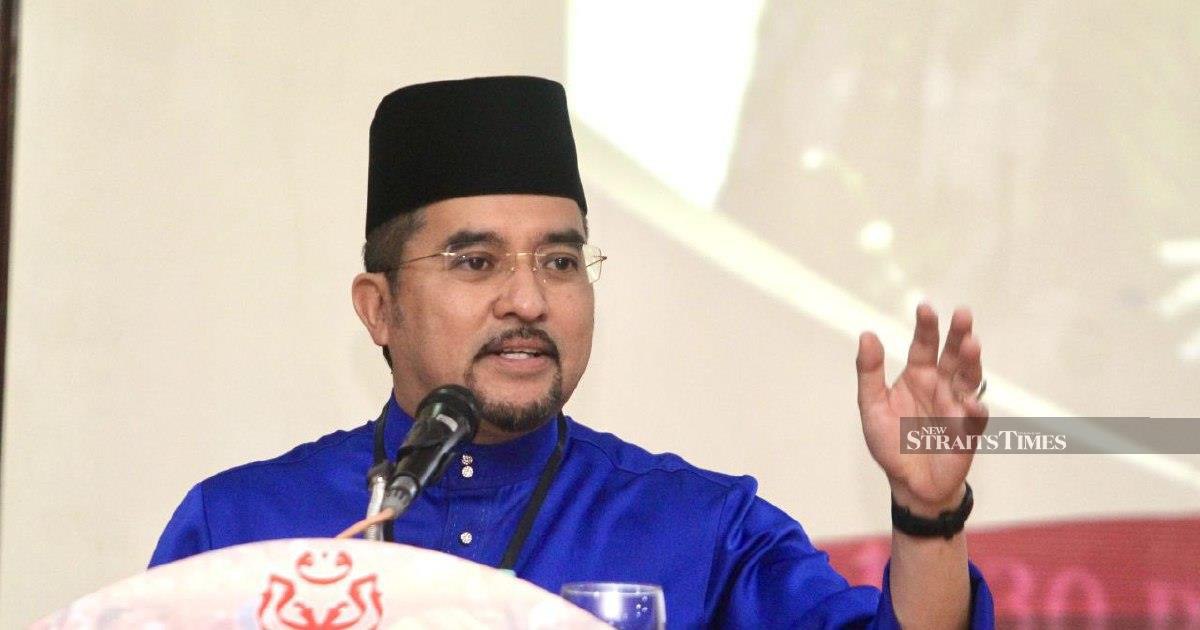
Umno has firmly rejected attempts by PKR Youth to dictate terms in the ongoing Melaka election seat distribution row, asserting that while grassroots voices deserve respect, such consequential decisions must flow through proper leadership channels. Speaking in Kota Baru, senior Umno figures characterised the dispute as symptomatic of broader coalition tensions and signalled that the party would not be swayed by external demands, regardless of their source within the ruling bloc.
The Melaka electoral readjustment has become an unexpected flashpoint within the Pakatan Harapan-led coalition government, exposing fractures between partners over how parliamentary and state constituencies should be allocated heading into future ballots. Rather than being confined to closed-door coalition meetings, the disagreement has spilled into public view, with PKR's youth wing mounting what Umno characterises as an orchestrated campaign to secure favourable terms. This public dimension has raised the stakes considerably and risks weakening the government's carefully balanced power-sharing arrangements.
Umno's position reflects a fundamental principle underpinning Malaysian coalition politics: that formal negotiations between elected leaders—not grassroots activism or social media campaigns—should determine seat allocations and electoral strategies. By invoking this principle, Umno is defending the prerogatives of its own leadership while simultaneously asserting that all coalition partners must operate within established frameworks. The statement carries particular weight because Umno, despite its diminished parliamentary presence compared to previous decades, remains a significant power broker within any government in which it participates.
For Malaysian political observers, the Melaka seat row illustrates how coalition governments can function effectively only when partners respect defined boundaries between legitimate advocacy and overreach. PKR Youth's public campaign, regardless of its merits in pressing for equitable representation, risks destabilising the broader coalition if it succeeds in establishing a precedent where grassroots movements can override leadership agreements. Umno's rebuff serves notice that it will not tolerate such interference in its internal calculations or strategic interests.
The broader context involves Melaka's particular significance within Malaysian electoral politics. The state has been a traditional battleground where seats have shifted between coalitions, and control over Melaka's parliamentary constituencies carries weight beyond the state itself, influencing national coalition dynamics. The issue of which party fields candidates in which seats therefore transcends local interest; it shapes how the ruling coalition presents itself nationally and determines which constituencies remain competitive or safely held.
Umno's insistence on leadership-level negotiations rather than grassroots pressure reflects practical political reality in Malaysia's coalition system. Seat allocations inevitably involve zero-sum calculations: gains for one party mean losses for another. If such decisions were subject to mobilisation campaigns by youth wings and activist networks, the process would become perpetually contestable and ultimately unmanageable. Umno's line is thus defending a principle essential to coalition stability, however self-serving the application may appear.
The timing of this dispute also matters significantly within Malaysian political currents. As the government approaches budget cycles and potential electoral windows, coalition partners are naturally calculating their respective bargaining power and seeking to maximise their parliamentary presence. PKR Youth's activism may represent an attempt to strengthen PKR's negotiating position before formal seat discussions commence at the highest levels. Umno's response indicates it will not negotiate under pressure or allow established processes to be circumvented.
For Malaysian voters and observers, this row underscores an ongoing tension within the Pakatan Harapan coalition between its more pluralistic, grassroots-oriented ethos—which encourages activism and public advocacy—and the practical requirements of maintaining a governing coalition, which demand discipline and respect for hierarchical decision-making. PKR, as a reformist party, has long positioned itself as responsive to its membership and youth base. Yet governing responsibility requires balancing that responsiveness with coalition partnership obligations.
Looking forward, how Umno and PKR resolve this dispute will signal whether the coalition can mature beyond such public disagreements and restore the confidence necessary for effective governance. Should negotiations occur quietly and result in an agreed framework, the coalition can demonstrate cohesion. Conversely, if the dispute escalates or becomes perceived as unresolved, it risks feeding narratives of governmental disarray and coalition instability that opposition parties will eagerly exploit.
Umno's stance also reflects its need to demonstrate strength within the coalition and protect its interests against a numerically stronger PKR contingent. By rejecting PKR Youth pressure publicly, Umno reminds coalition partners that despite its reduced parliamentary representation, it retains significant negotiating leverage. This positioning is crucial for Umno as it seeks to rebuild its political standing and assert itself as more than a junior partner in any government arrangement.
The resolution of the Melaka seat row will likely establish precedents for how future electoral allocations are negotiated within the ruling coalition. If leadership negotiations succeed in reaching settlements that all parties accept, it strengthens coalition mechanisms. If grassroots pressure is seen as having influenced outcomes, it opens pathways for future disputes over seat distribution to become public campaigns rather than managed negotiations, potentially destabilising the entire coalition framework.

