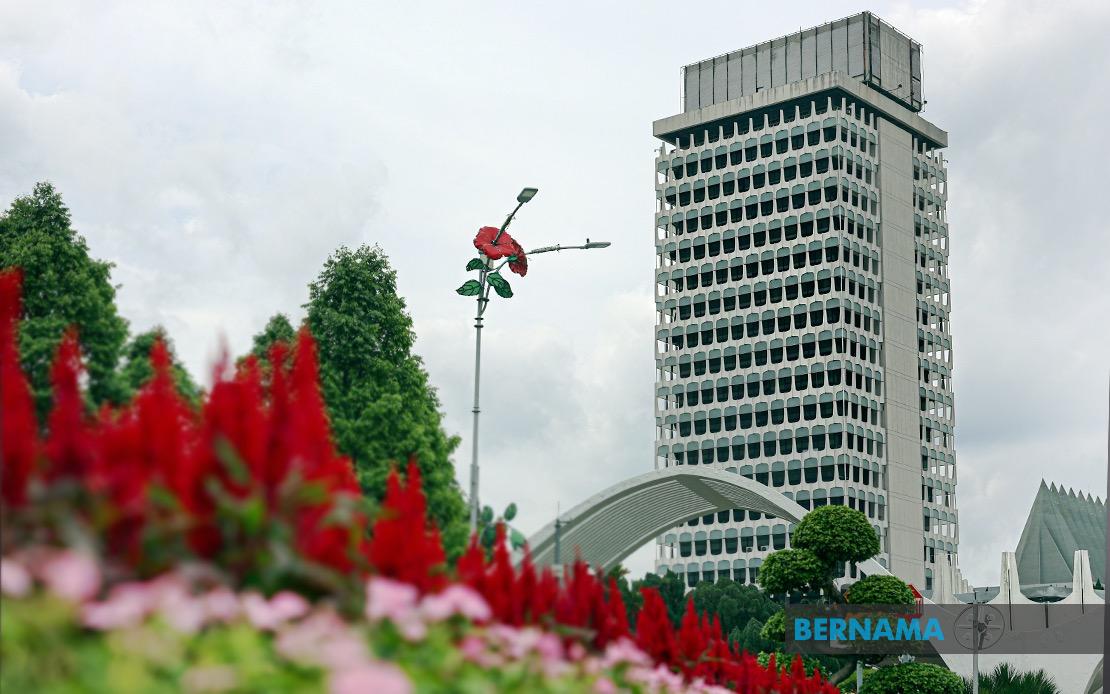
Malaysia's long-standing concerns about the structural inequities embedded within the United Nations system will feature prominently in today's sitting of the Dewan Rakyat, as lawmakers seek clarity on the government's diplomatic efforts to realign international governance frameworks. Datuk Seri Sh Mohmed Puzi Sh Ali, representing Pekan, will press the Foreign Minister to articulate a comprehensive strategic roadmap for championing substantive reforms to the UN architecture, particularly regarding the concentrated veto authority wielded by permanent Security Council members. This line of questioning reflects persistent frustration across the Global South at how the geopolitical dominance of a handful of nations continues to paralyse international decision-making on critical humanitarian and security matters affecting developing countries.
The question underscores Malaysia's dual aspiration: not merely to voice criticism of the status quo but to chart a constructive path toward enhancing its own diplomatic standing and influence within the multilateral system. For a middle-power nation like Malaysia, which has historically punched above its weight in UN forums through coalition-building and advocacy for non-aligned principles, the stakes of institutional reform extend beyond principle. A more representative Security Council structure could amplify Malaysia's voice on issues ranging from regional security in the South China Sea to the rights of developing economies in trade and climate negotiations.
Equally pressing for the government is the spectre of a looming food security crisis, a vulnerability that has taken on fresh urgency given the cascading effects of regional conflicts and supply-chain disruptions. Shaharizukirnain Abd Kadir, the Setiu representative from Perikatan Nasional, will demand a detailed exposition of the administration's contingency planning to shield Malaysia from potential food shortages. The timing of this query is significant: rising input costs for agricultural production, directly linked to geopolitical tensions in West Asia and the resulting energy price volatility, have already begun squeezing local farmers and threatening domestic food self-sufficiency targets.
The government's track record on agricultural resilience has been uneven, with incentive schemes aimed at boosting production in key food-generating states often failing to translate into tangible increases in output or measurable improvements in farmer incomes. The parliamentary question will force ministers to justify both the design and effectiveness of existing subsidy mechanisms, particularly whether current support levels adequately offset the structural disadvantages faced by Malaysian farmers competing against imports from countries with vastly larger economies of scale. For consumers, the implications are direct: any failure to strengthen domestic production capacity could lead to imported inflation in staple foods, directly eroding household purchasing power.
Defence procurement vulnerability emerged as another critical concern, with Datuk Awang Hashim from Pendang raising the operational risks posed by Malaysia's reliance on foreign military suppliers. The question targets a systemic problem that has plagued the Malaysian Armed Forces for decades: the inability to develop indigenous defence industrial capacity, combined with susceptibility to supply disruptions, delivery delays, and the geopolitical leverage exercised by supplier nations through contract cancellations or technology embargoes. This dependency creates a strategic asymmetry, where Malaysia's military readiness becomes hostage to external political decisions beyond its control.
The implications extend beyond mere operational efficiency. A military establishment constrained by foreign supply vulnerabilities faces real constraints in executing long-term strategic planning for modernisation and capability development. The Defence Minister will face pressure to articulate concrete mechanisms for risk mitigation, whether through diversifying supplier bases, investing in technology transfer agreements, or developing domestic alternatives for critical systems. For a nation increasingly conscious of regional security challenges and the need to maintain credible defence capabilities, this vulnerability represents a genuine strategic liability.
Parliament's agenda also reflects the government's pivot toward green energy transition, with the Science, Technology and Innovation Minister expected to outline mechanisms for coordinating national energy policy to support green hydrogen development. Rodiyah Sapiee from Batang Sadong will specifically probe the government's coordination with Sarawak on positioning the state as Southeast Asia's green hydrogen hub. This initiative carries substantial economic potential, given Sarawak's hydroelectric abundance and strategic location, but success hinges on coherent federal-state cooperation and substantial infrastructure investment.
The parliamentary sitting will simultaneously advance several legislative priorities, with seven government bills scheduled for first reading. These include the Communications and Multimedia (Amendment) Bill 2026 and the Malaysian Communications and Multimedia Commission (Amendment) Bill 2026, signalling the government's intention to update regulatory frameworks governing Malaysia's digital ecosystem. The Social Work Profession Bill 2026 addresses long-standing demands from social workers for professional recognition and standards, potentially elevating service quality across Malaysia's social welfare apparatus.
Parallel to these fresh legislative initiatives, Parliament will resume deliberation on the Control of Paddy and Rice (Amendment) Bill 2026, further underscoring the government's focus on agricultural policy. This legislation will shape the regulatory environment for Malaysia's rice sector, a politically sensitive domain given the crop's cultural significance and the need to protect smallholder farmers. The resumption of debate signals that final legislative touches remain pending, likely reflecting ongoing negotiations between the government and stakeholder groups over specific provisions affecting farmer incentives and market mechanisms.
The current parliamentary session, scheduled to conclude on July 16, encompasses a notably ambitious agenda that reflects the government's priorities across foreign policy, national security, food systems resilience, and energy transition. The breadth of issues under simultaneous consideration underscores the interconnected nature of contemporary governance challenges, where international institutional reform, domestic agricultural sustainability, defence autonomy, and energy policy form an interlocking web of strategic imperatives. How effectively Parliament holds the executive accountable on these fronts will substantially influence Malaysia's trajectory across the coming years.

