The United Nations' chief diplomat sounded an alarm on Sunday over the deteriorating security situation in the Persian Gulf, where military confrontations between Iran and the United States have intensified in recent months. Speaking through his official spokesperson in Istanbul, Antonio Guterres expressed profound concern about the mounting cycle of provocations and counterattacks that threaten to undermine two decades of fragile regional stability.
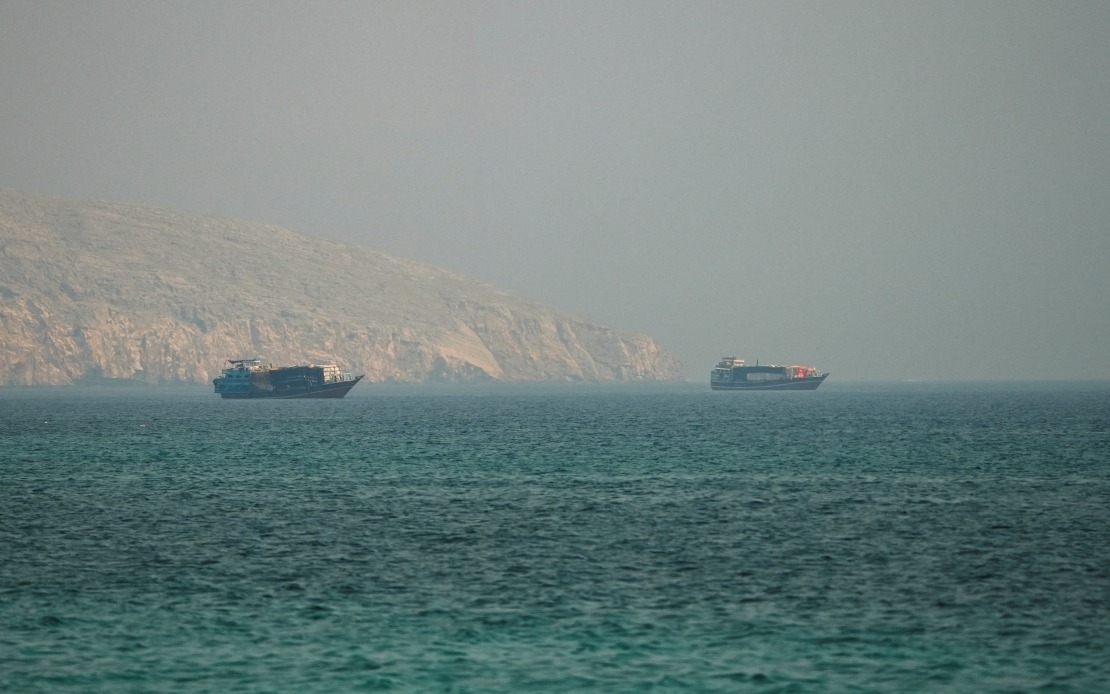
The escalating pattern of incidents has created a particularly volatile environment. Iranian naval forces have targeted commercial shipping vessels transiting the strategically vital Strait of Hormuz, one of the world's most essential maritime corridors through which roughly one-third of global seaborne oil passes daily. American military operations have responded with strikes directed at Iranian interests, while Tehran has simultaneously conducted attacks against targets across neighbouring countries in the region, according to reports monitored by the United Nations.
Guterres' intervention reflects growing international anxiety that the current trajectory could spiral into something far more destructive. His spokesperson Stephane Dujarric emphasised that the Secretary-General views the present situation with deep alarm, particularly given the pattern of tit-for-tat military action that has characterised recent weeks. The UN leadership has concluded that without immediate diplomatic intervention, the risk of full-scale military confrontation—with implications extending well beyond the Gulf itself—has become genuinely concerning.
The consequences of escalation would extend far beyond the immediate region, Guterres warned. A return to comprehensive military hostilities would inflict severe humanitarian suffering on Gulf populations already strained by years of conflict and instability. Beyond human costs, such a conflict would fundamentally disrupt global energy supplies, trigger massive economic dislocation in world markets, and create unpredictable ripple effects across international trade and finance. The global economy, already navigating multiple headwinds, would face additional severe shocks that could cascade through interconnected financial systems worldwide.
For Malaysia and other Southeast Asian economies, the stakes are particularly high. The region depends heavily on stable energy prices and uninterrupted maritime trade routes. A major conflict in the Gulf would directly affect oil import costs, potentially triggering inflation across the region's already-pressured economies. Additionally, disruptions to shipping through the Strait of Hormuz would have immediate consequences for regional supply chains, affecting manufacturing sectors and export competitiveness across Southeast Asia.
Crucially, Guterres emphasised that restoration of full freedom of navigation in the Strait of Hormuz must become a priority for all parties. This waterway, despite its strategic importance, has increasingly become a theatre of tension rather than a reliable international commons. The targeting of commercial vessels has created genuine insurance and safety complications for shipping companies, many of which operate from or serve Asian markets. Normalising the passage of merchant vessels through this vital corridor is therefore essential to preventing broader economic dislocation.
The UN chief's primary appeal centred on the urgent need for both Tehran and Washington to return to serious diplomatic engagement. He called specifically for both powers to exercise maximum restraint in their military operations and to refrain from actions that might further inflame the situation. This plea reflects the organisation's conviction that the current impasse, while serious, remains negotiable through sustained dialogue and good-faith discussion.
Guterres stressed that all parties in the region bear responsibility for stepping back from the brink. His statement included appeals to both named and unnamed actors to prioritise de-escalation over military responses, to recognise the shared interest in regional stability, and to demonstrate the political will necessary for meaningful negotiations. The UN's role, as traditionally conceived, is to provide a neutral platform for such discussions and to underscore the international consensus that military solutions will only deepen existing crises.
The timing of this intervention is significant. Coming as military tensions have reached levels not seen since early 2020, when regional confrontations threatened to spiral into open conflict, Guterres' warning carries particular weight. The UN has invested considerable diplomatic capital in previous efforts to manage Iran-US tensions, and the current resurgence of attacks suggests that earlier de-escalation frameworks may have broken down or eroded.
For observers in Southeast Asia and the broader Indo-Pacific, the Gulf situation demonstrates the complex interdependencies of modern international relations. Despite geographic distance, events in the Middle East exercise tangible influence on regional economics, energy security, and maritime stability. Malaysia and its neighbours therefore have genuine interest in supporting international efforts to resolve the crisis through dialogue rather than confrontation, given the substantial stakes involved in either outcome.
The path forward, as Guterres has outlined, requires immediate action from both Washington and Tehran. Without genuine commitment to negotiations and mutual de-escalation, the risk of unintended escalation—where an attack provokes a disproportionate response, triggering further retaliation—becomes increasingly real. The UN chief's intervention represents a final authoritative call for reason before circumstances potentially move beyond diplomatic remedy.

