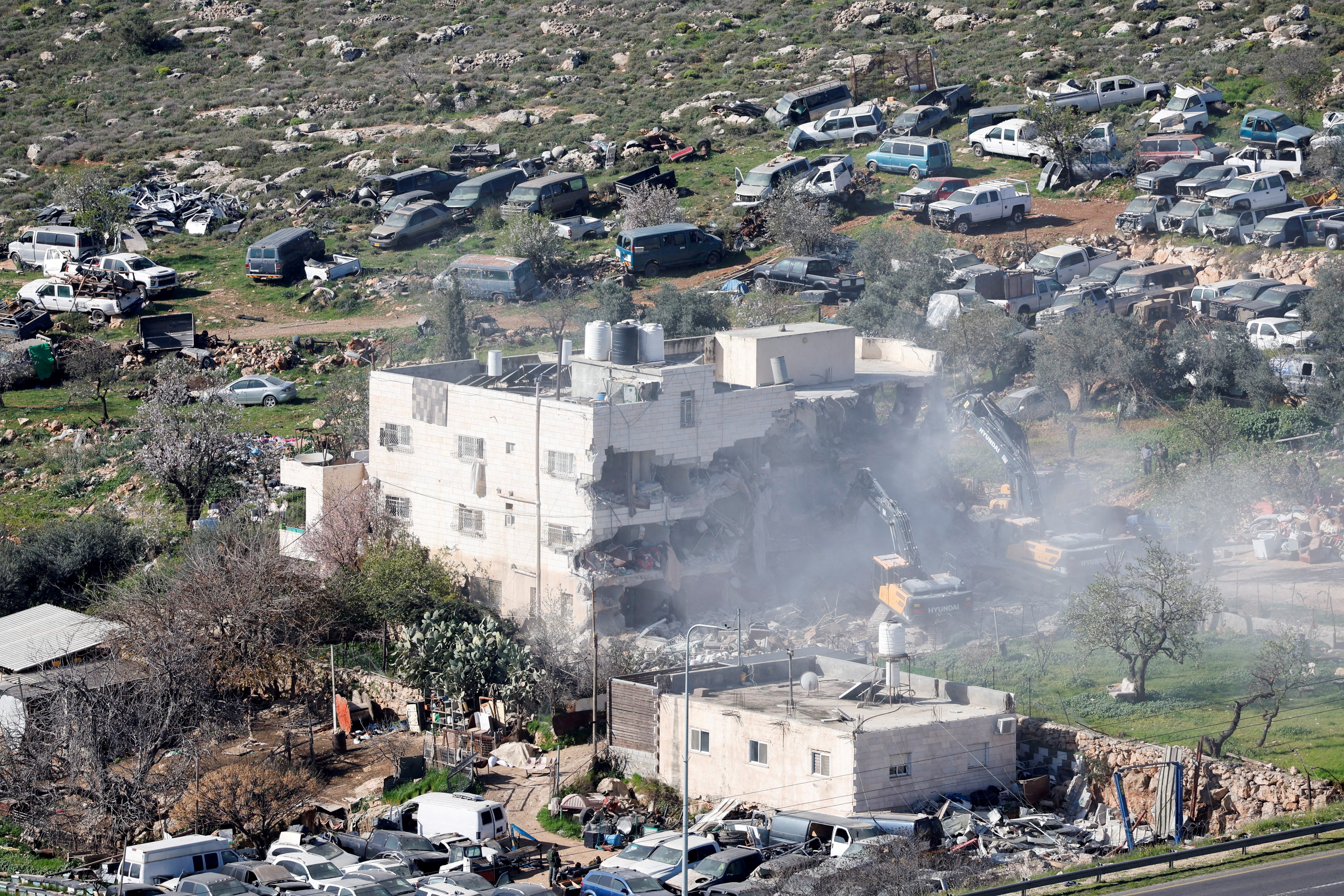
United Nations Secretary-General Antonio Guterres has raised fresh alarm over the proliferation of new illegal Israeli settlement outposts across the occupied West Bank, demanding that Israel halt its expansion activities immediately. Speaking through his official spokesperson Stephane Dujarric at a press briefing in New York on Wednesday, Guterres underscored the grave implications of these developments for the viability of a negotiated Palestinian statehood.
The UN chief's particular focus centres on the E1 settlement project, which would geographically bisect the West Bank by severing crucial land connections between its northern and southern regions. This strategic fragmentation would fundamentally compromise Palestinian territorial cohesion and administrative continuity, rendering the establishment of a contiguous Palestinian state extraordinarily problematic. Dujarric characterised the situation as presenting an existential threat to the two-state solution framework that has underpinned international peace efforts for decades.
Guterres explicitly called upon the Israeli government to refrain from undertaking any additional settlement construction or expansion measures in the territories. Beyond this immediate demand, the UN chief has pressed Israel to align its actions with multiple UN Security Council resolutions and to respect the landmark advisory opinion issued by the International Court of Justice on July 19, 2024. This international legal pronouncement carries significant weight, as it represents the world's highest judicial body's authoritative assessment of the legality of Israel's occupation.
The ICJ's advisory opinion concluded that Israel's continued administrative and military presence throughout the occupied Palestinian territory constitutes a breach of international law. The court mandated that Israel must terminate this occupation "as rapidly as possible" and cease immediately all activities related to establishing new settlements. Furthermore, the court determined that Israel bears responsibility for evacuating all Israeli settlers from Palestinian territories and must provide comprehensive reparations to compensate Palestinians for losses and damages inflicted through its occupation policies.
This latest UN intervention reflects mounting international concern about the trajectory of Israeli settlement policy, which has accelerated significantly in recent years despite widespread diplomatic pressure. The establishment of new outposts typically precedes the formalisation and expansion of larger settlements, creating a pattern of gradual territorial consolidation that critics argue systematically reduces the geographic viability of Palestinian self-governance. The E1 project exemplifies this concern, as its implementation would effectively transform the West Bank into fragmented enclaves rather than a unified political entity.
For Southeast Asian nations and Malaysia specifically, this development carries implications beyond the immediate Israeli-Palestinian context. The precedent of military occupation and settlement expansion in disputed territories resonates with regional concerns about territorial integrity and the peaceful resolution of competing sovereignty claims. Malaysia and many ASEAN members have consistently supported international law principles, particularly those enshrined in UN resolutions and court decisions, as the foundation for regional stability and dispute resolution.
The gap between international legal findings and the practical implementation of those findings remains a persistent challenge in Middle Eastern politics. While the ICJ advisory opinion provides unambiguous legal guidance, enforcement mechanisms remain limited, placing responsibility on the international community to apply diplomatic and political pressure for compliance. The UN Secretary-General's repeated statements reflect the organisation's attempt to maintain pressure on Israeli authorities through public diplomacy and formal communications.
The timing of Guterres's statement, delivered amid ongoing tensions and despite previous warnings that have not halted settlement expansion, underscores the frustration within the international system regarding Palestinian territorial rights. Observers note that without concrete consequences attached to violations of international law, similar statements risk becoming ritualistic rather than catalytic in producing behavioural change among relevant parties.
For Palestinian leadership and international supporters of Palestinian statehood, the ICJ opinion and UN statements provide important legal and diplomatic tools, though their translation into substantive policy changes remains uncertain. The E1 settlement's strategic location makes its prevention particularly significant, as its implementation would create physical barriers to Palestinian territorial consolidation and self-governance. The controversy surrounding this project demonstrates how specific settlement decisions carry implications disproportionate to their size, reflecting their symbolic and practical importance to the occupation's territorial architecture.

