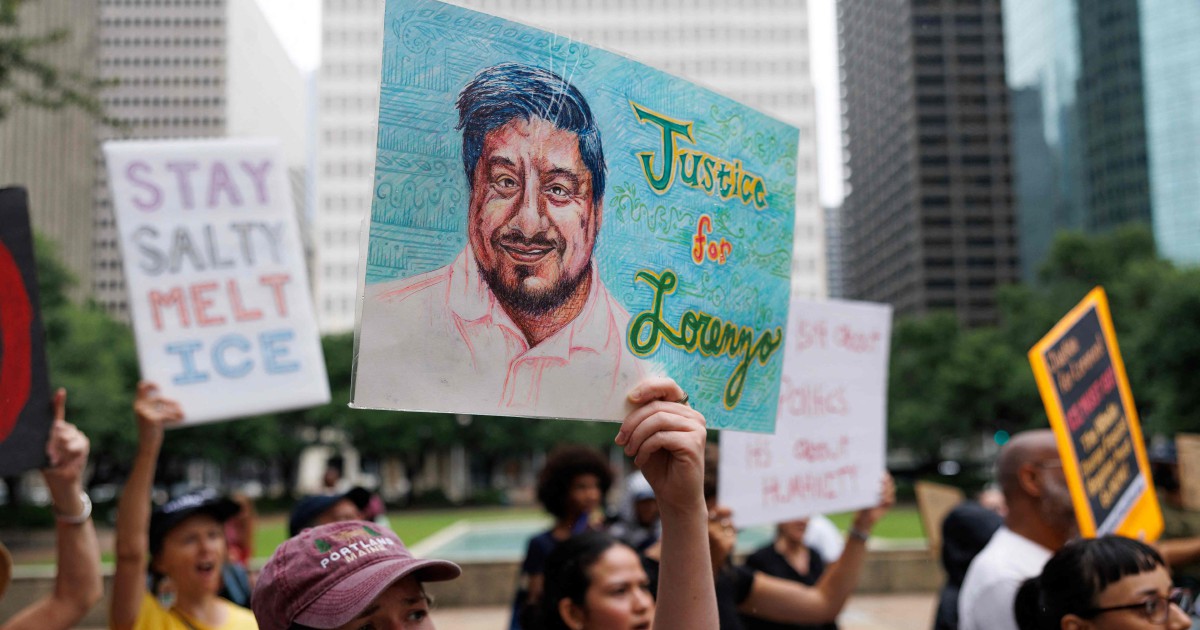
United Nations human rights experts have called for independent and impartial investigations into allegations that authorities unduly interfered with peaceful demonstrations aimed at drawing global attention to Mexico's ongoing disappearance crisis during the FIFA World Cup tournament. The intervention from the international body underscores growing international concern about restrictions on protest rights and freedom of expression in the country, particularly during high-profile global events when international scrutiny is at its peak.
The UN experts' statement highlights a broader pattern that observers have documented across Mexico in recent years: the tension between the government's desire to maintain order during major international events and civil society's efforts to use those moments of global attention to highlight persistent human rights concerns. The disappearance of thousands of Mexicans over recent decades remains one of the country's most pressing humanitarian challenges, with families of the missing continuing to demand accountability and information from authorities. These demonstrations during the World Cup represented an attempt to ensure that the international sporting spectacle did not overshadow the plight of thousands whose fates remain unknown.
The timing of the protests during the World Cup was strategically chosen to maximize visibility for the issue on a global platform. When international delegations, media, and observers descend on a country for a major sporting event, opportunities for marginalised voices to reach worldwide audiences multiply substantially. However, this also creates tension with host governments seeking to project an image of stability and normalcy. The allegations of interference suggest that some of these advocacy efforts may have faced official obstacles, raising questions about whether authorities prioritised tournament image management over enabling lawful expression of dissent.
Mexico's disappearance crisis has claimed an estimated 100,000 lives over the past two decades, according to various human rights organizations. The causes are manifold: involvement of criminal organisations, state security forces, and inadequate institutional responses have all contributed to the scale of the crisis. Families of disappeared persons have become increasingly vocal in demanding investigations and accountability, transforming grief into activism. These groups often operate with limited resources and must navigate a complex landscape of security concerns and governmental indifference.
The UN's intervention represents an important external validation of concerns raised by Mexican civil society organisations. International pressure can sometimes prove effective in encouraging governments to respect protest rights and investigate allegations of abuse. However, the effectiveness of such calls depends largely on implementation mechanisms and the political will of national authorities. Mexico has international obligations under various human rights treaties to protect freedom of assembly and expression, making the UN's scrutiny particularly relevant.
For regional observers, particularly in Southeast Asia, Mexico's situation raises pertinent questions about how governments balance international image management with domestic human rights obligations. Many countries in this region also host major international events and must navigate similar pressures. The precedent set by how Mexico responds to these UN calls could influence expectations and practices elsewhere. Malaysia, Thailand, Indonesia, and other nations in the region have likewise grappled with questions about permitting protest and dissent during major international occasions.
The disappearance crisis has deep roots in Mexico's struggles with organised crime and institutional corruption. Despite numerous official investigations and commissions established to address historical cases, convictions remain remarkably low and many families still await basic information about their missing relatives' whereabouts. This systemic failure to deliver justice and accountability has kept the issue alive as a central concern for Mexican civil society, even as international attention occasionally wanes.
The World Cup, as one of the world's most watched sporting events, presented a singular opportunity for activists to reach global audiences. Millions of people worldwide would be focusing on Mexico during the tournament, making it an ideal moment to highlight the humanitarian dimension of the country's deepest challenges. That alleged official interference occurred during this window potentially represents a lost opportunity for authentic public dialogue about Mexican society's persistent problems.
The UN experts' call for investigations must be understood within broader international human rights monitoring frameworks. Regular scrutiny from international bodies, though sometimes dismissed by governments as external interference, serves as an important check on national authorities. For countries like Mexico grappling with serious governance challenges, such external engagement can create space for domestic civil society to operate more freely and encourage incremental improvements in accountability and transparency.
Moving forward, the test will be whether Mexican authorities respond substantively to the UN's concerns. Genuine investigations into allegations of interference would signal respect for international human rights standards and commitment to enabling lawful protest. Such steps would also strengthen Mexico's standing in international forums and demonstrate that the country takes its obligations seriously. For families of disappeared persons, any mechanism that increases oversight and accountability—whether through UN mechanisms or domestic investigations—represents a potential avenue toward long-delayed justice and truth.

