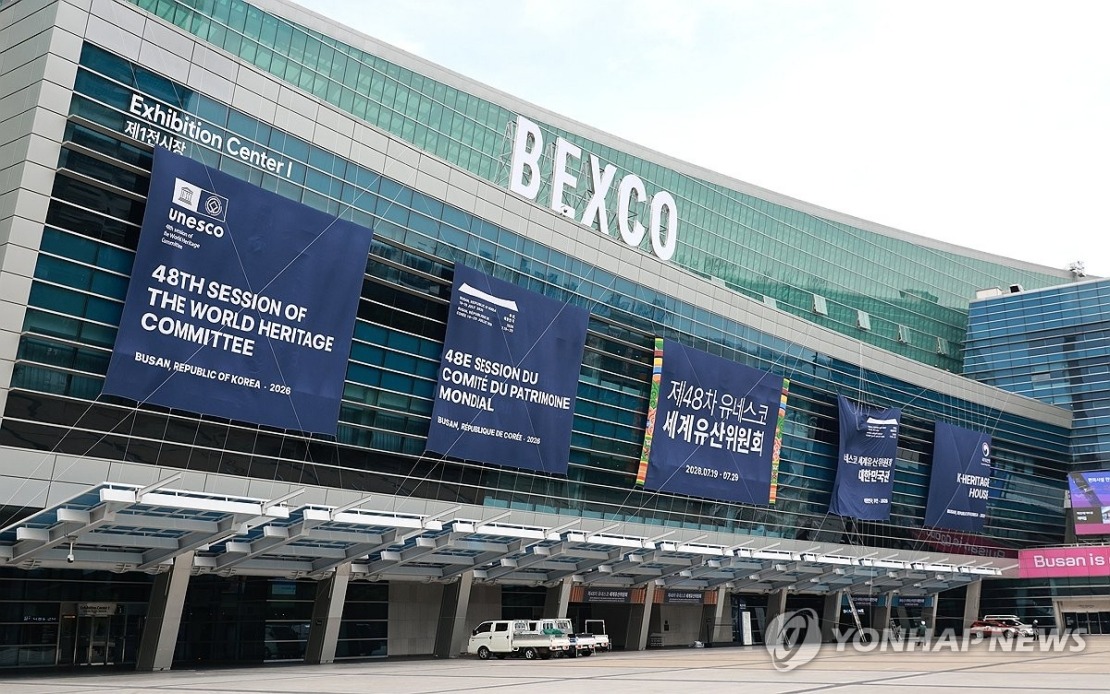
South Korea is preparing to welcome thousands of international delegates to Busan beginning Sunday for the UNESCO World Heritage Committee's annual session, representing a significant milestone in the country's engagement with the United Nations cultural agency. The 10-day gathering at the Busan Exhibition and Convention Centre will bring together approximately 3,000 participants representing all 196 UNESCO member states, along with delegates from international organisations and civil society groups focused on heritage preservation.
This represents a landmark occasion for South Korea, which formally became part of the UNESCO World Heritage Convention framework in 1988 but has never previously hosted the committee's main annual meeting. The committee, which serves as UNESCO's primary decision-making body regarding cultural and natural heritage matters globally, reviews applications for new sites to be added to the World Heritage List each year while simultaneously evaluating the condition and management of existing designated properties.
The Busan location offers strategic significance as one of South Korea's major ports and economic centres, situated approximately 330 kilometres southeast of the capital Seoul. The choice reflects both the country's growing international profile and its commitment to heritage protection across its regions rather than concentrating such gatherings exclusively in capital cities.
Leading the proceedings will be UNESCO Director-General Khaled El-Enany, joined by Assistant Director-General for Culture Nayef Al-Fayez and Lazare Eloundou Assomo, who directs the World Heritage Centre. Their attendance underscores the significance the international body places on this particular session and the agenda items under consideration.
The committee's annual convening addresses multiple critical functions within UNESCO's heritage preservation mandate. Beyond reviewing nominations from member states seeking to have sites inscribed on the prestigious World Heritage List, delegates will assess conservation efforts at properties already designated, examining whether sites face threats from development, environmental degradation, conflict, or insufficient funding for maintenance. These evaluations influence UNESCO's ability to provide technical and financial support to vulnerable locations.
For Southeast Asian nations including Malaysia, such gatherings hold particular relevance. The region contains numerous World Heritage sites spanning both natural wonders and cultural monuments, from temple complexes to rainforests and marine ecosystems. Participation in these high-level discussions allows countries to advocate for resources protecting regional heritage while learning from international best practices in site management and conservation strategy.
The committee's work extends beyond preservation of individual sites. Delegates discuss evolving policy frameworks governing how heritage is defined, protected, and managed in an era of rapid urbanisation, climate change, and development pressure. Recent sessions have increasingly grappled with questions about whose heritage gets recognised, how indigenous communities factor into designation and management decisions, and whether the current system adequately represents non-Western cultural traditions.
South Korea's hosting of this session comes as the country has substantially expanded its own World Heritage footprint, with multiple sites recognised for their cultural and natural significance. The gathering provides an opportunity for South Korean institutions and heritage professionals to demonstrate their expertise while hosting the global dialogue shaping how humanity collectively manages its most valued cultural and environmental treasures.
The Busan meeting will likely draw particular attention from Asian member states and those managing World Heritage sites in the region. Networking opportunities during the 10-day session enable bilateral discussions between nations facing similar heritage management challenges, whether related to tourism pressures, climate adaptation, or resource constraints. Such informal exchanges often prove as consequential as formal committee deliberations.
As development pressures intensify across Asia and climate impacts threaten heritage sites globally, the committee's work becomes increasingly critical. The Busan session will occur against a backdrop of mounting concern about heritage preservation in developing regions where economic growth and protection sometimes conflict. Committee members will need to balance facilitating development with safeguarding sites designated as possessing outstanding universal value.
For Malaysia and neighbouring countries, the proceedings offer insights into emerging priorities within the international heritage community. Trends in designation, conservation approaches gaining traction, and funding mechanisms becoming available can inform national heritage policies. The session thus extends significance beyond the nominated sites under direct review, shaping the broader context within which Southeast Asian nations develop their own preservation strategies.
The convergence of so many heritage professionals, government officials, and civil society representatives in Busan creates momentum for advancing the international heritage agenda. Whether addressing climate resilience for vulnerable sites, improving community engagement in conservation efforts, or ensuring equitable representation of diverse cultures within the World Heritage system, the committee's work during these 10 days will influence heritage protection globally for the coming year.

