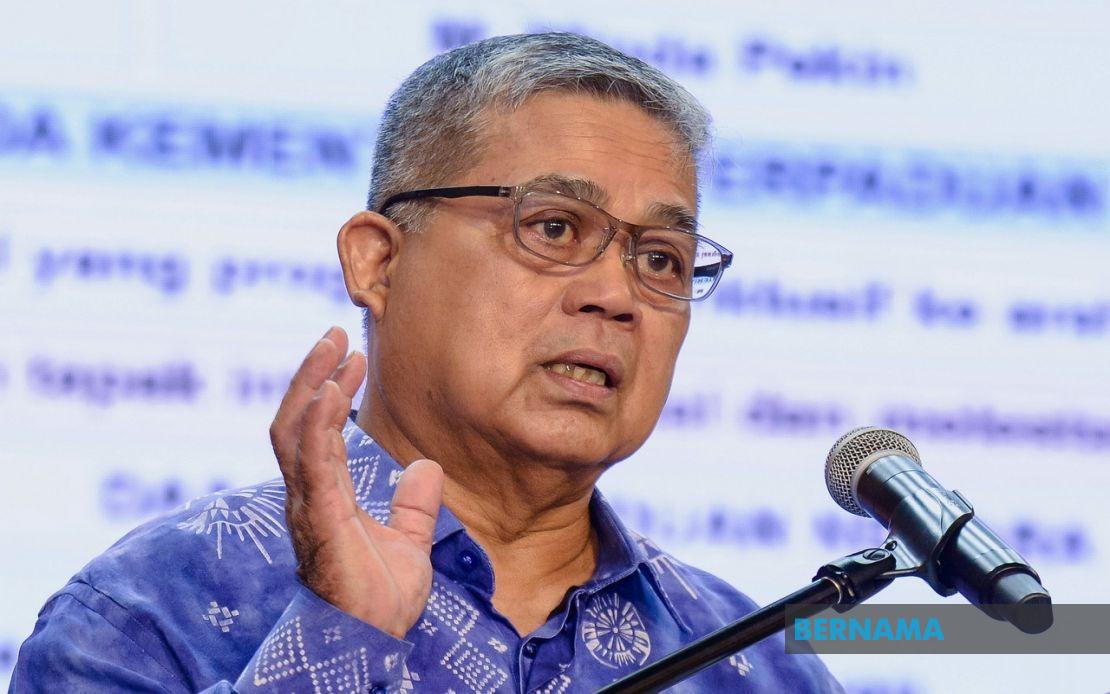
The National Unity Ministry is pursuing an ambitious nationwide initiative to institutionalise community-based conflict resolution, with plans to certify 1,280 mediators over the coming decade. Datuk Aaron Ago Dagang, the ministry's chief, announced this strategic expansion as part of broader efforts to embed peaceful dispute-settling practices at the neighbourhood level across Malaysia. The programme aligns with the 13th Malaysia Plan's emphasis on building social cohesion through inclusive and sustainable approaches to managing community tensions.
Community mediation represents a significant departure from traditional court-based dispute resolution, offering disputing parties a faster, more affordable pathway to settlement. By operating on a pro bono basis and remaining free to users, these services remove financial and bureaucratic barriers that often prevent ordinary Malaysians from accessing justice. The approach prioritises restoration of relationships and mutual understanding over adversarial outcomes, a philosophy particularly valuable in neighbourhoods where parties must continue living or working alongside one another after their dispute concludes.
To realise this vision, the ministry intends to establish twelve new mediation centres by 2027, doubling down on infrastructure investment across Malaysia's most populous and strategically important regions. The planned locations reveal a geographically balanced strategy: urban centres like Kuala Lumpur and Shah Alam will receive facilities, while smaller towns and states such as Machang in Kelantan, Kamunting in Perak, and Jasin in Melaka will gain comparable access. This distribution suggests recognition that community tensions transcend urban-rural boundaries and that local dispute resolution capacity must be developed systematically nationwide.
Sabah and Sarawak feature prominently in the expansion blueprint, with new centres slated for Kota Kinabalu and Miri respectively, alongside the federal territory of Labuan. This regional emphasis reflects the ministry's commitment to strengthening social stability across Malaysia's geographically dispersed population, particularly in areas where distance and logistical challenges have historically limited access to formal legal services. The inclusion of Pontian in Johor, meanwhile, addresses the southern corridor's growing population and economic activity.
The certification of 1,280 mediators represents a substantial human capital investment, requiring rigorous training programmes that teach conflict analysis, negotiation techniques, and cultural sensitivity. These mediators will serve as community anchors, trusted figures capable of facilitating dialogue across religious, ethnic, and socioeconomic divides. Their presence in neighbourhoods and community centres—from Pusat Rukun Tetangga facilities to Pusat Aktiviti Perpaduan—positions mediation services within existing social infrastructure rather than creating parallel, inaccessible institutions.
Under the Malaysia MADANI framework, which emphasises prosperity with purpose and societal wellbeing, community mediation sits comfortably within national development aspirations. The programme recognises that sustained economic progress depends on social stability and cohesion, qualities that deteriorate when communities lack accessible mechanisms for resolving friction. By professionalising mediation and expanding its reach, the ministry tacitly acknowledges that the state alone cannot manage all disputes and that empowering communities to self-regulate strengthens broader governance.
The timing of this initiative carries particular significance for Malaysia's multicultural society. As urbanisation accelerates and traditional community bonds weaken, formal channels for addressing neighbour disputes, family-related conflicts, and small-scale commercial disagreements become increasingly important. Mediation services can deflate tensions before they crystallise into legal matters, reducing unnecessary court congestion while preserving social relationships that form the bedrock of neighbourly harmony.
Strategic collaboration with local authorities—municipal councils, state governments, and community associations—will prove essential to the programme's success. These partners can identify priority areas, refer suitable cases, and help recruit and support mediators from within their communities. The ministry's emphasis on this collaborative dimension suggests awareness that top-down mediation programmes risk failure without genuine buy-in from those managing day-to-day community affairs.
From a practical standpoint, the expansion addresses a genuine service gap. Many Malaysians currently lack viable alternatives when facing disputes that do not warrant expensive litigation but cannot be resolved informally. Mediation centres offering professional, neutral facilitation without cost remove this bottleneck, enabling families, neighbours, and small business partners to address grievances constructively. The voluntary nature of settlements reached through mediation also enhances compliance, since parties who jointly agree to outcomes tend to honour them more readily than those imposed by courts.
The ministry's roadmap extends to 2030, allowing for phased infrastructure development and mediator training. This measured timeline reflects realistic assessment of the organisational and training capacity required to produce genuinely skilled practitioners. Rushing the process risks flooding communities with inadequately prepared mediators, potentially damaging confidence in the service and defeating the purpose of building accessible, professional dispute resolution.
Success will ultimately depend on public awareness and uptake. Many Malaysians remain unfamiliar with community mediation as an option, viewing courts or informal settlement as their only choices. The ministry must invest in education campaigns explaining the availability, process, and benefits of mediation services. Without such outreach, even well-resourced centres may struggle to attract cases and demonstrate impact.
The broader policy direction reflects international best practice in access to justice reform. Countries from Australia to Singapore have developed community mediation frameworks recognising that professional dispute resolution need not be expensive or remote. Malaysia's programme, if executed effectively, could position the country as a regional leader in democratising access to justice while strengthening the social fabric that enables prosperity.

